
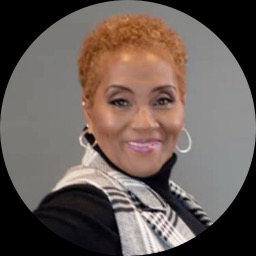
Eva Lewis Supel, LCMHC
North Carolina · 10 years in practice
Eva Lewis Supel is a licensed clinical mental health counselor with ten years of experience in North Carolina.
License and registration
- LCMHC, North Carolina
- 10756 · expires June 2027
- NPI
- 1235574633 · national provider identifier
- Years in practice
- 10
- Languages
- English
Details are as listed on the therapist's public professional profile. You can check the license with the issuing state board, and the NPI with the national registry.
About Eva
Eva Lewis Supel is a licensed clinical mental health counselor with ten years of experience in North Carolina. She helps people manage stress, anxiety, depression, addictions, and trauma. She also supports concerns around relationships, intimacy, self-esteem, and career changes.
Her work is welcoming to LGBT people and those facing grief or compassion fatigue. She uses a client-centered style that starts with listening. Sessions focus on what matters most to the individual and on practical steps they can try between meetings.
Background and approach
Eva also draws on trauma-focused methods and EMDR when people are processing painful memories. Motivational Interviewing and Solution-Focused Therapy appear in her approach for people working on behaviors like addiction or career shifts. Those methods tend to highlight small, achievable goals and the client’s own motivation.
Therapy can include short-term strategies or deeper, longer-term work depending on needs. Eva aims to create an affirming space where clients feel heard and respected. She helps people build clearer communication, set boundaries, and strengthen self-compassion.
The emphasis is on real-world changes that make daily life easier. She combines clinical approaches with plain talk and practical planning. Sessions are available in English and can be scheduled to fit varied routines.
People who want to begin can complete a brief matching questionnaire to get connected and pick times that work for them.
Focus areas and approaches
Everything Eva lists on their public professional profile, in their own terms.
- Stress, Anxiety
- Addictions
- Relationship issues
- Family conflicts
- Depression
- LGBT
- Trauma and abuse
- Grief
- Intimacy-related issues
- Parenting issues
- Anger management
- Self esteem
- Career difficulties
- Bipolar disorder
- Coping with life changes
- Coaching
- Compassion fatigue
- ADHD
- Abandonment
- Adoption and foster care
- Aging and geriatric issues
- Antisocial personality
- Attachment issues
- Autism and Asperger Syndrome
- Blended family issues
- Body image
- Cancer
- Caregiver issues and stress
- Chronic pain, illness, and disability
- Co-morbidity
- Codependency
- Commitment issues
- Communication problems
- Control issues
- Coping with natural or human-caused disaster
- Dependent personality
- Disruptive Mood Dysregulation Disorder (DMDD)
- Divorce and separation
- Domestic violence
- Drug and alcohol addiction
- Emptiness
- Family of origin issues
- Family problems
- Fatherhood issues
- First responder issues
- Forgiveness
- Gender dysphoria
- Guilt and shame
- HIV / AIDS
- Hospice and end-of-life counseling
- Impulsivity
- Infidelity
- Intellectual disability
- Isolation / loneliness
- Jealousy
- Life purpose
- Men's issues
- Midlife crisis
- Money and financial issues
- Mood disorders
- Narcissism
- Obsessions, compulsions, and OCD
- Panic disorder and panic attacks
- Paranoia
- Phobias
- Postpartum depression
- Post-traumatic stress
- Pregnancy and childbirth
- Prejudice and discrimination
- Process addiction (porn, exercise, gambling)
- Seasonal Affective Disorder (SAD)
- Self-harm
- Self-love
- Sex addiction
- Sexual assault and abuse
- Sexual dysfunction
- Sexuality
- Smoking / vaping cessation
- Social anxiety and phobia
- Somatization
- Traumatic brain injury
- Trichotillomania
- Women's issues
- Workplace issues
- Young adult issues
Approaches Eva names
- Client-Centered Therapy
- Eye Movement Desensitization and Reprocessing (EMDR)
- Motivational Interviewing
- Solution-Focused Therapy
- Trauma-Focused Therapy
Naming an approach is not evidence of training in it. This directory copies what each therapist lists and does not check training records.
Online support
How therapeutic approaches translate to online care
Client-Centered Therapy centers on the person’s own goals and priorities. In practice the therapist listens deeply, asks questions to clarify what matters, and helps the person decide practical next steps. This approach suits anxiety, self-esteem struggles, and life transitions.Eye Movement Desensitization and Reprocessing, or EMDR, is used for processing painful memories. It involves guided techniques to help people reduce the intensity of distressing memories and can support trauma recovery and related symptoms.
Finding the right approach is part of the work. The therapist will talk with the person about goals, past experiences, and preferences, and together they decide which methods to try first. That collaborative process helps tailor short-term goals or longer-term plans based on results and comfort level.
Online formats include video calls, phone sessions, live chat, and text-based messaging. Video is good for face-to-face interaction and nonverbal cues. Phone sessions can be easier when bandwidth is limited or a quieter voice check-in is needed. Live chat and messaging work well for quick check-ins, brief coaching, or when someone prefers writing to speaking. These options make it easier to fit sessions into work, caregiving, or travel schedules while keeping therapeutic momentum.
We will earn a commission if you sign up through our link, at no cost to you. It does not change what you pay or the order of the listings.
Questions people ask
What kinds of concerns does Eva address?
She supports stress, anxiety, depression, addictions, trauma, grief, relationship and intimacy issues, self-esteem, career changes, ADHD, and related challenges.
How would you describe her therapeutic style?
Her style is client-centered and collaborative, focusing on listening first and then jointly developing practical steps the person can use between sessions.
What is her professional background?
She has ten years of clinical experience working with a wide range of emotional and behavioral concerns and uses multiple approaches to fit each person.
What are her credentials and where is she located?
She holds the credential LCMHC and practices in North Carolina.
Which languages and client locations are supported?
Sessions are offered in English and she accepts international clients.
What session formats are available?
Sessions can be conducted by video calls, phone sessions, live chat, or text-based messaging to fit different preferences and schedules.
How are sessions priced?
Cost varies with location and therapist availability; sessions use a subscription model that can be canceled at any time.
How do I get started with therapy?
Select the Start Therapy button, complete a short matching questionnaire, and schedule sessions according to the therapist's availability.
More therapists in North Carolina
See allPamela Peoples
LCSW
Experienced LCSW helping with anxiety and life changes
- Stress, Anxiety
- Self esteem
- Depression
Dr. James Hunter Jr
LCMHC
Experienced counselor for life transitions
- Stress, Anxiety
- Depression
- Relationship


Dr. Kendra Corning
NC Psychologist
Compassionate psychologist guiding real-life change
- Stress, Anxiety
- Trauma and abuse
- Grief

Is this your profile?
Ask us to correct details or take the page down.
Contact us