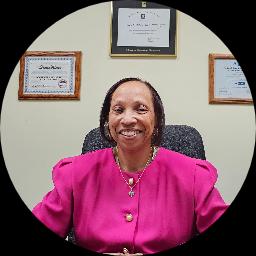
Dr. James Hunter Jr
LCMHC
Experienced counselor for life transitions
- Stress, Anxiety
- Depression
- Relationship
North Carolina 19 years in practice
Clinical social work directory
541 therapists list Solution-Focused Therapy among the ways they work. Naming an approach is not evidence of training in it, so ask directly how they use it.
Solution-Focused Therapy emphasizes practical, goal-oriented change by building on your strengths and what already works. Below you can browse therapists who list Solution-Focused Therapy among their approaches and read profiles to find practitioners who match your needs.
LCMHC
Experienced counselor for life transitions
LPC, LCPC
Experienced counselor focused on practical change
LCMHC
Compassionate, practical counseling for everyday struggles
LCMHC
Practical, respectful support for real-life struggles
LCSW
Practical, supportive therapy for emotional healing
LCSW
Practical strategies for stress and relationships
LCMHC
Practical, values-focused counseling for adults
LCMHC
Practical, culturally aware counseling for everyday struggles
LCSW
Practical, goal-focused therapy for moving forward
LCMHC
Helping people deal with stress and life changes
LMFT
Compassionate, practical therapy for relationships and parenting
LPC, LCMHC
Compassionate counselor for stress and recovery
LCSW
Practical, strengths-based therapy for everyday struggles
LCMHC
Practical strategies for stress and relationships
LCMHC
Practical support for stress and relationships
LCSW
Compassionate, practical support for recovery
LCSW
Practical, steady support for stress and recovery
LCSW
Empathetic LCSW helping people find practical progress
LCSW, LISW-CP
Faith-aware counselor for stress and addiction
LCSW
Practical, person-centered care for life changes
LCSW, LISW-CP
Calm, practical therapy for life transitions
LCMHC
Practical, goal-focused counseling for life changes
LCMHC
Compassionate counselor for stress and relationships
LCSW
Compassionate, practical therapy for life challenges
LPC, LCMHC
Practical support for stress and trauma recovery
LCMHC
Experienced counselor focused on practical support
Experienced NC LCSW focused on practical support
LPC, LCMHC
Compassionate counseling focused on practical change
LMFT
Experienced LMFT focused on relationships and life change
LCMHC
Practical, collaborative counseling focused on real-life change
LCSW, LISW-CP
Faith-informed social worker focused on healing
LCSW, LISW-CP
Compassionate, practical support for life's hard moments
LMFT
Skilled therapist focused on practical change
Empathetic, practical support for life and relationships
Some links on this page are partner links. We will earn a commission if you sign up through one, at no cost to you. It does not change what you pay or the order of the listings.
Solution-Focused Therapy is a short-term, future-oriented approach that prioritizes solutions over exhaustive exploration of problems. Instead of spending extended time on causes and histories, this model concentrates on identifying your goals, recognizing small changes that lead in the right direction, and amplifying effective behaviors and thoughts. You are invited to articulate what a meaningful improvement would look like and to notice times when that improvement already occurs, however briefly. The therapist's role is to ask focused questions that elicit resources, skills, and exceptions to the problem, helping you and the practitioner co-create practical steps forward.
Several guiding ideas shape Solution-Focused Therapy. First, change is seen as constant, so the therapy focuses on what can be different tomorrow rather than what is wrong today. Second, small steps and incremental gains are valued because they are often sustainable. Third, your expertise about your own life is respected, and the therapist acts as a collaborator who amplifies your existing problem-solving abilities. Finally, language matters - the questions, metaphors, and scales used in sessions are intentionally framed to bring attention to progress and possibility.
Solution-Focused Therapy is commonly used for a wide range of everyday challenges and transitional issues. People turn to this approach when they want help with relationship tensions, workplace stress, parenting difficulties, adjustment to life changes, low mood, anxiety, and goal setting. Because the model centers on practical strategies and measurable improvement, it is also frequently applied in brief counseling contexts, coaching-style support, and situations where you want targeted, time-limited help. The emphasis on what is already working makes it useful when you are motivated to make changes but want guidance on which small steps to take first.
Many clinicians use Solution-Focused techniques within broader therapy work, and you may encounter this approach in both individual and family sessions. It can be helpful when you are looking to break patterns, develop clearer priorities, or create a plan for specific problems such as conflict resolution or setting boundaries. Because it tends to be action-oriented and pragmatic, some people prefer it when they want focused progress rather than lengthy exploration of past events.
A typical session begins with a brief check-in about recent developments and any changes since your last meeting. Early in the process you will likely work with the therapist to define a clear, concrete goal that you will recognize as meaningful. The therapist may use specific questions that invite you to describe times when the problem was less severe or when things went the way you wanted. These moments, called exceptions, help you and the therapist identify practical strategies to repeat and expand.
Therapists who practice Solution-Focused Therapy frequently use scaling questions to help you rate progress and decide on manageable next steps. You may be asked to imagine a small miracle where the problem is solved and then to identify the smallest change that would signal you are headed in that direction. Sessions are often collaborative and conversational, with an emphasis on what you will do between meetings. Homework tends to be concrete and specific, focused on testing out new behaviors or noticing exceptions, so you can bring observable results back to the next session.
Solution-Focused Therapy differs from insight-oriented approaches by placing less emphasis on digging into the origins of a difficulty. While psychodynamic and some exploratory therapies focus on past patterns and underlying meanings, Solution-Focused work directs attention to present resources and future possibilities. Compared with cognitive behavioral approaches, which often involve structured skill-building and homework aimed at changing thoughts and behaviors through agreed protocols, Solution-Focused Therapy tends to be more conversational and client-led in defining goals. It shares with cognitive behavioral methods a practical orientation, but it relies more on the discovery of existing strengths and exceptions than on a systematic hierarchy of techniques.
Another difference is the typical timeframe and pace. Solution-Focused work is often used in brief interventions where quick, measurable change is the priority. The collaborative stance of the therapist - asking questions that highlight what is already working - sets it apart from approaches that emphasize interpretation or long-term skill acquisition. That said, many clinicians integrate Solution-Focused elements within longer-term therapy to create moments of momentum and clarity, so the approach can complement other methods rather than replace them.
You might be a good candidate for Solution-Focused Therapy if you prefer a practical, goal-driven process and want to see measurable improvement in a shorter timeframe. If you are ready to identify specific changes, try small experiments, and build on moments that already go well, this approach can feel empowering. It can be a good match when you are dealing with situational stressors, relationship challenges, transitions, or when you want focused assistance in clarifying priorities. If you prefer prolonged exploration of childhood experiences or deep emotional processing, you may want to look for clinicians who integrate Solution-Focused techniques with other modalities that align with that preference.
When searching for a therapist who lists Solution-Focused Therapy among their approaches, start by reviewing practitioner profiles to learn about their focus areas, credentials, languages, and experience with issues similar to yours. Pay attention to how they describe a typical session and whether they mention collaborative goal-setting, use of scaling questions, or an emphasis on strengths and exceptions. Consider how their stated approach aligns with your preferences for session pace, length, and style. If you speak another language or need cultural considerations, look for clinicians who highlight that experience. It can also be helpful to think about logistics such as session format - in-person or remote - and whether the therapist's fees and payment methods fit your budget. Reading several profiles and noting those whose descriptions resonate with you will make it easier to select a few to contact. When you reach out, you can ask about how they typically use Solution-Focused techniques and what a recommended timeframe might be for work on your specific concern. Exploring profiles and initial conversations will help you find a clinician whose approach and experience match what you want from therapy.
Solution-Focused Therapy offers a practical path to change by emphasizing your strengths and incremental progress. Use the listings above to explore therapist profiles and learn who lists Solution-Focused Therapy among their approaches, then follow the information in those profiles to identify practitioners whose style and experience align with the help you seek.