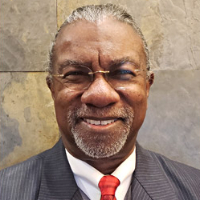
Dr. James Hunter Jr
LCMHC
Experienced counselor for life transitions
- Stress, Anxiety
- Depression
- Relationship
North Carolina 19 years in practice
Clinical social work directory
510 therapists list social anxiety and phobia among the things they work with. All offer sessions online, and every profile shows the registering body, the membership number and when it runs to.
This page lists therapists in North Carolina who focus on social anxiety and phobia. Browse practitioner profiles below to learn about their approaches, focus areas, languages and experience.
LCMHC
Experienced counselor for life transitions
NC Psychologist
Compassionate psychologist guiding real-life change
LCSW
Practical strategies for stress and relationships
LCMHC
Practical, values-focused counseling for adults
LCSW
Practical, goal-focused therapy for moving forward
LCMHC
Helping people deal with stress and life changes
LMFT
Compassionate, practical therapy for relationships and parenting
LPC, LCMHC
Compassionate counselor for stress and recovery
LCMHC
Experienced counselor focused on relationships and change
LCMHC
Somatic-informed counselor focused on practical change
LCMHC
Compassionate, practical therapy for anxiety and trauma
LCSW
Compassionate, practical support for recovery
LCMHC
Practical, values-focused counseling for everyday life
LCSW
Practical trauma-informed support for daily life
LCSW
Practical, steady support for stress and recovery
LCSW
Empathetic LCSW helping people find practical progress
LCMHC
Compassionate counseling for anxiety and relationship pain
LCMHC
Compassionate counselor for stress and relationships
LCSW
Compassionate, practical therapy for life challenges
LCSW, LCSW-R
Experienced LCSW helping people manage stress and loss
LPC, LCMHC
Practical support for stress and trauma recovery
LCMHC
Experienced counselor focused on practical support
Experienced NC LCSW focused on practical support
LPC, LCMHC
Compassionate counseling focused on practical change
LMFT
Experienced LMFT focused on relationships and life change
LCSW
Skilled, practical therapy with a coaching mindset
LCSW, LISW-CP
Faith-informed social worker focused on healing
LCSW, LISW-CP
Compassionate, practical support for life's hard moments
LMFT
Skilled therapist focused on practical change
LCMHC
Practical support for stress and family strain
LCSW
Compassionate, practical therapy for everyday struggles
LPC
Practical, person-centered care for life changes
LCMHC
Calm, practical counseling for life’s tough moments
LCMHC
Helping people ease daily emotional burdens
LCSW
Compassionate, practical therapy for real-life struggles
LCMHC
Compassionate, practical counseling for life challenges
Some links on this page are partner links. We will earn a commission if you sign up through one, at no cost to you. It does not change what you pay or the order of the listings.
Social anxiety and phobia refer to intense worry or fear about social situations where you may be observed, judged or evaluated. That worry can center on everyday interactions - speaking up in a meeting, attending a party, making a phone call or even entering a room where others are present. For some people the anxiety is situational and linked to specific contexts. For others it is broader and affects many areas of life, shaping choices about jobs, relationships and activities.
You may notice changes in behavior that feel protective in the short term but limiting over time. Avoidance of social events, rehearsing conversations obsessively, using alcohol or humor to mask anxiety, or relying on familiar companions to navigate gatherings are common patterns. Physically, anxiety can show up as shaking, sweating, rapid heartbeat, or difficulty speaking. Emotionally, you might feel shame, isolation or a sense that you are missing out. Social anxiety can also contribute to work or school stress when presentations, interviews or group interactions are required. Recognizing these patterns is the first step toward finding strategies that reduce their hold on your life.
If fear of judgment or scrutiny causes you to avoid important opportunities or leaves you exhausted from anticipatory worry, therapy can offer tools for change. You may find that you decline gatherings, pass on promotions, or turn down dates because the prospect of social evaluation feels intolerable. You might also notice that your anxiety interferes with concentration, sleep or relationships, creating cycles of avoidance and disappointment. Therapy is often helpful when you want to stop letting anxiety dictate your choices.
People who benefit from focused work on social anxiety often describe persistent self-critical thoughts, a tendency to overestimate negative outcomes, and the habit of using safety behaviors that temporarily reduce fear but maintain it over time. You may recognize that you mentally rehearse conversations, dread being the center of attention, or feel unable to assert yourself even in low-stakes interactions. If these patterns are familiar, it can be useful to explore therapeutic methods that target the thoughts, behaviors and physical reactions tied to social anxiety.
In the first few sessions you and your therapist will typically talk about how social anxiety shows up for you, what situations are most distressing, and what you hope to change. This conversation helps shape a collaborative plan that prioritizes your values and daily goals. Your therapist may ask about your history with anxiety, your typical coping strategies, and any relevant medical or medication context so they can tailor an approach that fits your life. Expect a respectful, step-by-step process rather than a quick fix.
Therapy often combines in-session practice with tasks to try between sessions. You may role-play a difficult conversation with your therapist, practice breathing and grounding techniques, or plan a small exposure exercise to approach a feared situation gradually. Tracking your reactions and noticing what changes between sessions helps you and your therapist adjust the approach. You should expect a mix of teaching, hands-on practice and reflection, with pacing that honors your comfort while encouraging steady progress.
Many therapists use cognitive strategies to help you identify and reframe unhelpful thoughts that maintain anxiety, and exposure-based techniques to reduce avoidance and build confidence in feared situations. You may work on noticing automatic negative predictions, testing them with experiments, and gradually approaching social scenarios you have been avoiding. When therapists list cognitive behavioral therapy among their approaches, they often mean this combination of thought work and behavioral practice.
Other approaches focus on changing your relationship with anxiety rather than eliminating it. Therapists who list acceptance and commitment therapy among their approaches may help you develop willingness to experience uncomfortable feelings while acting in line with your values. Mindfulness practices can reduce reactivity and increase presence during social interactions. Group-based formats can also be a useful context for practicing social skills and receiving feedback from peers. When therapists list exposure therapy, EMDR or other methods among their approaches, that indicates they include those options in their toolkit; it does not by itself describe a level of certification.
Online therapy commonly takes place via video sessions, phone calls or messaging platforms depending on the clinician's services. Video sessions allow you to practice social interactions in a controlled environment and to receive real-time coaching. For many people the convenience of meeting from home makes it easier to engage consistently. You can expect similar structure to in-person work - assessment, goal setting, exposure planning and skills practice - with adjustments for the remote context.
Doing social anxiety work online can include homework that uses your local environment as a practice field. You might plan brief exposures like making a short call, initiating a conversation with a neighbor, or attending a small in-person gathering and then debriefing with your therapist online. Choosing a personal setting that minimizes interruptions and allows you to focus will help sessions feel productive. If you anticipate technological or sensory triggers, discuss them with your therapist so you can design a format that suits your needs. Online options also open possibilities for group sessions or workshops that bring together people working on similar goals.
When you review profiles, look for clinicians who describe experience working with social anxiety, social phobia or performance anxiety. Pay attention to the approaches they list and how those fit with what you want to try - for example cognitive work, exposure-based strategies, mindfulness, or group formats. Note credentials such as licensed psychologist, licensed clinical social worker, or licensed professional counselor as indicators of professional training. Consider language skills, cultural background and populations served so you can find someone who understands the context that matters to you.
Think about practical questions you want answered when you contact a therapist: how they structure sessions for social anxiety, the role of between-session practice, their experience with exposure work, and whether they offer in-person, online or hybrid options. You may also want to learn about their approach to measuring progress and adjusting the plan if something is not working. A good match often depends on feeling understood and having a shared sense of goals, so prioritize therapists whose descriptions resonate with your priorities and whose communication style feels respectful and clear.
Working with a therapist can help you develop skills to navigate social situations with more ease and confidence. Whether you prefer online sessions, group practice, or one-on-one work, exploring profiles on this page can help you identify clinicians whose focus and methods align with your needs. Take your time reviewing descriptions and selecting a few who seem like a good fit, then reach out to learn more about their approach to social anxiety and phobia.