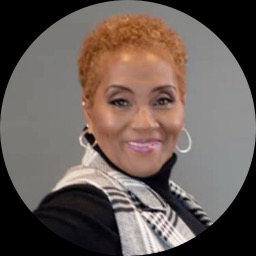
Pamela Peoples, LCSW
North Carolina · 16 years in practice
Pamela Peoples is a licensed clinical social worker who helps people manage stress, anxiety, depression, and life transitions.
License and registration
- LCSW, North Carolina
- C012108 · expires March 2028
- NPI
- 1326299413 · national provider identifier
- Years in practice
- 16
- Languages
- English
Details are as listed on the therapist's public professional profile. You can check the license with the issuing state board, and the NPI with the national registry.
About Pamela
Pamela Peoples is a licensed clinical social worker who helps people manage stress, anxiety, depression, and life transitions. She also supports people dealing with attention and focus challenges such as ADHD, and assists with grief, trauma, relationship and parenting concerns. Pamela works from North Carolina and speaks English.
Pamela uses straightforward, practical conversation to help people sort through what matters most. She aims to create an open, nonjudgmental space where thoughts and feelings can be named and looked at together.
Background and approach
Sessions focus on clear goals and small, manageable steps toward change. Her approach often draws on Cognitive Behavioral Therapy, which looks at how thoughts, feelings, and actions interact and teaches concrete skills to shift unhelpful patterns. She also incorporates coaching-style support for practical problem solving and planning when clients want more direction.
With 16 years as an LCSW, Pamela brings steady, experienced guidance without jargon. She listens for each person’s priorities and helps turn worries into workable plans. That steady presence is intended to reduce overwhelm and build confidence.
People who reach out can expect respectful, goal-focused sessions tailored to their life stage. Pamela encourages small experiments between meetings so progress shows up in everyday routines. The aim is clearer thinking, better coping, and more choice in how to move forward.
Focus areas and approaches
Everything Pamela lists on their public professional profile, in their own terms.
- Stress, Anxiety
- Self esteem
- Depression
- Coping with life changes
- ADHD
- Relationship issues
- Family conflicts
- Trauma and abuse
- Grief
- Parenting issues
- Career difficulties
- Bipolar disorder
- Coaching
- Abandonment
- Adoption and foster care
- Aging and geriatric issues
- Blended family issues
- Cancer
- Caregiver issues and stress
- Chronic pain, illness, and disability
- Co-morbidity
- Codependency
- Communication problems
- Divorce and separation
- Domestic violence
- Drug and alcohol addiction
- Family problems
- Forgiveness
- Guilt and shame
- HIV / AIDS
- Hospice and end-of-life counseling
- Intellectual disability
- Money and financial issues
- Panic disorder and panic attacks
- Self-love
- Women's issues
- Workplace issues
Approaches Pamela names
Naming an approach is not evidence of training in it. This directory copies what each therapist lists and does not check training records.
Online support
How Pamela Uses CBT and Online Sessions
Pamela often uses Cognitive Behavioral Therapy, a hands-on approach that helps people spot unhelpful thoughts and try new behaviors. CBT is useful for anxiety, depression, stress, and problems with focus because it teaches practical tools to change thinking and routine patterns.She also blends coaching elements into sessions to help clients set goals, plan steps, and track progress. That approach is helpful for career questions, parenting challenges, and managing chronic stress where a clear plan makes change feel doable.
Choosing the right approach is a collaborative process. Pamela will work with each person to identify goals, test what helps, and adjust methods over time. The idea is to find approaches that match the client’s needs and daily life rather than sticking to a single method.
Online sessions make therapy easier to fit into a busy life. Video calls allow face-to-face conversation; phone sessions can be simpler when bandwidth is limited or for brief check-ins. Live chat and text messaging suit people who prefer shorter notes, need quick check-ins, or want extra support between longer sessions. These options offer flexibility so people can keep working toward goals from different locations and schedules.
We will earn a commission if you sign up through our link, at no cost to you. It does not change what you pay or the order of the listings.
Questions people ask
What concerns does Pamela commonly address?
She helps people with stress, anxiety, depression, coping with life changes, ADHD, grief, trauma, relationship and parenting issues, and career or caregiving strain.
How would you describe her therapeutic style?
Her style is straightforward and goal-focused, with an emphasis on practical skills and clear steps. She aims to create an open, nonjudgmental space for honest conversation.
What is her professional background?
Pamela holds the credential LCSW and brings 16 years of post-credential experience supporting people through a range of life challenges.
Where is she licensed and based?
She is a licensed clinical social worker (LCSW) practicing from North Carolina and conducts sessions in English.
Can people who live outside the U.S. work with her?
International clients are not currently accepted; sessions are offered in English to people located where her practice covers.
What session formats does she offer online?
She offers video calls, phone sessions, live chat, and text-based messaging so people can choose what fits their schedule and needs.
How does billing and cost work?
Cost varies with location and therapist arrangements; sessions use a subscription model that can be canceled at any time.
How do I begin working with her?
To get started, select the Start Therapy button, complete a brief matching questionnaire, and schedule sessions based on therapist availability.
More therapists in North Carolina
See allDr. James Hunter Jr
LCMHC
Experienced counselor for life transitions
- Stress, Anxiety
- Depression
- Relationship

Dr. Kendra Corning
NC Psychologist
Compassionate psychologist guiding real-life change
- Stress, Anxiety
- Trauma and abuse
- Grief

Loretta Tillman
LPC, LCPC
Experienced counselor focused on practical change
- Stress, Anxiety
- Anger
- Self esteem
Is this your profile?
Ask us to correct details or take the page down.
Contact us