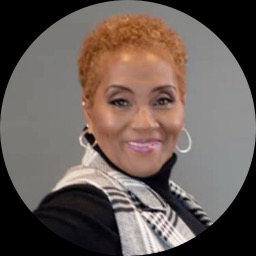
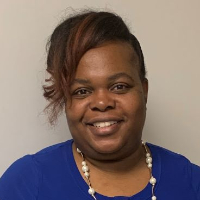
Pamela Peoples
LCSW
Experienced LCSW helping with anxiety and life changes
- Stress, Anxiety
- Self esteem
- Depression
North Carolina 16 years in practice
Clinical social work directory
192 therapists list adoption among the things they work with. All offer sessions online, and every profile shows the registering body, the membership number and when it runs to.
Browse therapists who list adoption among their specialties to find counselors familiar with adoption-related challenges across the lifespan. Use the listings below to compare focus areas, approaches, credentials, languages, and experience to find a good fit for your needs.
LCSW
Experienced LCSW helping with anxiety and life changes
LCMHC
Experienced counselor for life transitions
LCMHC
Practical, values-focused counseling for adults
LCSW
Practical, goal-focused therapy for moving forward
LCSW
Practical, strengths-based therapy for everyday struggles
LCMHC
Somatic-informed counselor focused on practical change
LMFT
Compassionate relational therapy for practical change
LCSW, LISW-CP
Calm, practical therapy for life transitions
LCMHC
Compassionate counselor for stress and relationships
LCSW, LCSW-R
Experienced LCSW helping people manage stress and loss
LCSW, LISW-CP
Faith-informed social worker focused on healing
LCSW
Compassionate, practical therapy for everyday struggles
Practical, person-focused therapy for life changes
LCMHC
Hopeful, practical therapy for daily life
LCSW
Mindful acceptance and practical skills for change
Focused practical therapy for life’s hard moments
Practical, person-focused therapy with experience
LCSW
Helping people recover, rebuild, and move forward
LCMHC
Practical support for relationship and life challenges
LCSW
Practical, supportive therapy for life’s challenges
LCSW
Compassionate client-centered therapy for everyday struggles
LCSW
Practical, compassionate therapy for stress and trauma
LCMHC
Collaborative counselor focused on practical growth
LCSW
Experienced LCSW focused on strengths-based care
LCSW
Practical, goal-focused therapy with an encouraging approach
Calm, practical support for life’s challenges
LCSW
Compassionate, practical therapy for everyday life
LMFT
Calm, practical therapy focused on real-life change
LCSW
Helping people build steady, practical coping skills
LCMHC
Compassionate counselor focused on practical change
LMFT
Practical, relationship-focused therapy for adults
LCMHC
Compassionate counselor focused on real-life change
LCSW
Practical therapy focused on everyday strengths
Practical, values-focused therapy for daily life
LISW-CP, LCSW
Therapist who blends listening with practical tools
LCSW
Warm, practical therapy focused on real-life change
LPC, LCMHC
Practical, experienced counselor for stress and addiction
LCMHC
Counselor focused on practical coping skills
LCMHC
Compassionate counselor focused on practical change
LCMHC, LMFT
Steady, experienced counselor for life transitions
Some links on this page are partner links. We will earn a commission if you sign up through one, at no cost to you. It does not change what you pay or the order of the listings.
Adoption is a wide-ranging experience that shapes family stories, identity, attachment, and memory. For some people adoption begins in infancy and affects a lifetime of questions about origins and belonging. For others adoption enters a family later in childhood or adulthood and brings changes to family roles, routines, and expectations. Birth parents, adoptive parents, adoptees, and extended family members can all experience strong emotions related to loss, gratitude, guilt, relief, confusion, loyalty conflicts, or a sense of incompleteness. These reactions are normal and can vary greatly from person to person.
How adoption shows up in daily life depends on context. You might notice intense feelings around milestones, such as anniversaries, graduations, or family events. You might also find adoption-related themes emerging during transitions like starting school, entering relationships, or exploring ancestry. For many, questions about identity and origins become more pressing at certain life stages. Understanding that these responses are common can be an important first step toward addressing them.
You may find therapy useful when adoption-related feelings interfere with your daily life, relationships, or sense of self. If you notice persistent sadness, anxiety, or anger that you link to adoption, therapy can provide a place to process those emotions. Attachment challenges, difficulties with trust or intimacy, or repeated conflicts about loyalty to birth and adoptive families are other signs that focused support could help. Parents often seek guidance when managing behavioral challenges in children who are adopted, when navigating open adoption relationships, or when facing questions about how to talk about adoption with a child.
Therapy can also be helpful if you feel stuck in questions about identity, have unresolved grief, or experience shame or secrecy around adoption stories. If you are considering search and reunion or if a reunion has raised complex emotions, a therapist can help you prepare for and process those experiences. You do not need a crisis to benefit from therapy; many people find it useful to work with a therapist to strengthen coping skills, improve family communication, and build a stronger sense of identity over time.
In early sessions you can expect a therapist to ask about your adoption story, family history, and current concerns. The therapist will usually gather information about relationships, cultural background, and any previous experiences with therapy or support services. This intake process helps shape a treatment approach that reflects your goals, whether you want to process grief, repair attachment patterns, navigate reunion complexities, manage parenting challenges, or explore identity development.
Therapeutic work often combines emotional processing with practical skills. You might spend time exploring difficult memories, learning ways to regulate strong emotions, or practicing communication strategies with family members. For adoptive parents, sessions may focus on parenting strategies that honor an adopted child’s developmental and attachment needs. For adoptees you might explore narrative work to integrate your adoption story into a coherent sense of self. Sessions typically proceed at a pace you find manageable, and your therapist should invite your input about goals and priorities.
Therapists who list adoption work among their specialties often draw on diverse approaches to meet the particular needs of adoptees, birth parents, adoptive parents, and families. Some practitioners emphasize attachment-informed frameworks to address relational patterns and bonding. Others draw on trauma-informed methods when loss, medical trauma, or early adversity are part of the story. Cognitive-behavioral approaches may be used to address anxious or depressive patterns and to build practical coping strategies.
There are also therapists who list narrative therapy, family systems, play-based approaches for children, or art and expressive therapies among their approaches. When identity questions or cross-cultural adoption issues are central, therapists may use culturally informed or identity-focused interventions to help you explore belonging and cultural connection. If you are curious about a particular method, look for wording on a therapist’s profile that describes the approaches they list and how they explain their use of those methods in adoption-related care.
Online therapy lets you connect with a therapist from your home, your office, or another comfortable setting. Sessions happen over video or sometimes phone, and they generally follow a similar structure to in-person work - intake, goal setting, and ongoing sessions to process material and practice new skills. Online formats can be especially useful if you want access to clinicians who list adoption among their specialties but live outside your immediate area, or if travel and scheduling make in-person sessions difficult.
When working online, pay attention to how you want to manage privacy in your space and how technology affects your comfort. You may find that video sessions make it easier to include family members who live elsewhere, or to share documents and resources digitally. If you prefer in-person contact for certain tasks, such as play-based work with young children, discuss these preferences with the therapist when browsing profiles. Many therapists describe how they adapt their approaches for remote work, so you can get a sense of how they tailor services to adoption-related concerns.
Begin by identifying the aspects of adoption that are most important to you - identity exploration, search and reunion, parenting support, attachment work, or grief processing. Look for therapists who list those focus areas on their profiles and who describe approaches that align with your preferences. Pay attention to credentials and professional background so you can see whether a clinician works with children, adolescents, adults, or families. Language and cultural background may also matter, especially in transracial or international adoptions, so consider whether you want a therapist who speaks a particular language or has experience with cultural identity concerns.
Reading therapist descriptions can help you form questions to ask during an initial contact, such as how they have supported adoption-related goals, how they approach family involvement, and what a typical course of work looks like for someone with concerns like yours. Trust your sense of fit - how the therapist communicates, their explanations of approaches, and whether they invite your input about goals are all clues about whether the relationship might be helpful. Remember that it is normal to try multiple clinicians before finding the one that feels right for your story and your needs.
Finding help for adoption-related concerns is about matching the particularities of your experience with a therapist who lists relevant focus areas, approaches, and experience. Use the directory to compare profiles, read descriptions, and reach out to professionals whose language resonates with your goals for therapy. With thoughtful choices, you can find a clinician who helps you process adoption themes and supports you in building the relationships and sense of identity you want to achieve.