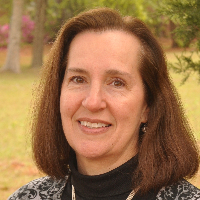
Pamela Peoples
LCSW
Experienced LCSW helping with anxiety and life changes
- Stress, Anxiety
- Self esteem
- Depression
North Carolina 16 years in practice
Clinical social work directory
159 therapists list hospice and end-of-life counseling among the things they work with. All offer sessions online, and every profile shows the registering body, the membership number and when it runs to.
This page features counselors in North Carolina who list hospice and end-of-life counseling among their areas of focus. Browse the profiles below to review credentials, approaches, languages and experience as you consider professional support.
LCSW
Experienced LCSW helping with anxiety and life changes
NC Psychologist
Compassionate psychologist guiding real-life change
LCMHC
Practical, culturally aware counseling for everyday struggles
LCMHC
Helping people deal with stress and life changes
LCMHC
Somatic-informed counselor focused on practical change
LCSW
Practical trauma-informed support for daily life
LCSW
Practical, steady support for stress and recovery
LCSW, LISW-CP
Practical support for stress and life change
LCSW
Practical, person-centered care for life changes
LCMHC
Practical, goal-focused counseling for life changes
LCMHC
Compassionate counselor for stress and relationships
LCSW, LCSW-R
Experienced LCSW helping people manage stress and loss
LPC, LCMHC
Compassionate counseling focused on practical change
LMFT
Experienced LMFT focused on relationships and life change
LMFT
Skilled therapist focused on practical change
LCSW
Compassionate, practical therapy for everyday struggles
Practical, person-focused therapy for life changes
LCSW
Experienced LCSW focused on practical coping strategies
Focused practical therapy for life’s hard moments
Practical, person-focused therapy with experience
Compassionate counselor for mood and trauma
LCSW
Practical, supportive therapy for life’s challenges
LPC, LCMHC
Compassionate practical help for everyday struggles
LCSW
Compassionate, practical therapy for lasting change
LCSW
Experienced LCSW focused on strengths-based care
Calm, practical support for life’s challenges
LMFT
Calm, practical therapy focused on real-life change
Compassionate counselor focused on practical change
LCSW
Helping people build steady, practical coping skills
LCMHC
Compassionate counselor focused on real-life change
LCMHC
Compassionate counselor for everyday life challenges
LCMHC
Practical support for stress and relationships
LPC, LCMHC
Compassionate counseling focused on practical change
LPC, LCMHC
Practical, experienced counselor for stress and addiction
LCMHC
Counselor focused on practical coping skills
Experienced LMFT focused on practical change
LCMHC
Compassionate, practical counseling for everyday challenges
LCSW, LISW-CP
Therapist focused on practical emotional coping
LPC, LCMHC
Therapist focused on practical support
Some links on this page are partner links. We will earn a commission if you sign up through one, at no cost to you. It does not change what you pay or the order of the listings.
Hospice and end-of-life counseling is a specialized area of therapeutic support that focuses on the emotional, relational and existential challenges people face when confronting a terminal diagnosis, advanced illness or the practical realities of care transitions. This work often involves patients, family members and caregivers and can include conversation about grief, legacy, meaning and practical planning. Counseling in this context focuses less on changing a long-term behavioral pattern and more on coping strategies, communication, understanding values and reducing distress in ways that fit the priorities of the person and their loved ones.
The experience of end-of-life issues is deeply personal and can affect your moods, day-to-day decision making, relationships and sense of purpose. Some people want focused guidance on communicating wishes or creating legacy projects. Others seek help navigating complicated family dynamics or learning techniques to manage intense physical or emotional discomfort. Counselors who list hospice and end-of-life support among their approaches typically aim to help you clarify what matters most and to build ways of living in alignment with those priorities as circumstances change.
You might consider counseling if you notice persistent feelings that interfere with daily life, such as ongoing panic, overwhelming sadness, or numbness that does not ease over time. Difficulty communicating about prognosis, caregiving responsibilities that strain family relationships, or recurring conflict about care decisions are common reasons people reach out. Grief often begins before a loss when a serious illness is present - what clinicians call anticipatory grief - and you may find it hard to plan, to make practical choices or to spend meaningful time with loved ones.
Other signs that counseling could help include struggling with existential questions about meaning and legacy, feeling isolated when others expect you to be strong, or having sleep, appetite or concentration disturbances related to worry about the future. Caregivers frequently experience burnout and may need assistance balancing tasks, setting boundaries and attending to their own emotional needs. If practical matters such as advance care planning or legal steps feel overwhelming, a counselor can offer support and help you connect with appropriate resources.
When you begin working with a counselor who focuses on end-of-life concerns, the first sessions typically involve conversation about your immediate needs, personal values and the roles people play in your life. You and the counselor will discuss goals for counseling - these might include improving communication with family, addressing unresolved issues, creating a legacy project such as letters or recordings, or developing coping skills for anxiety and pain-related distress. Sessions can be tailored to the pace and priorities you set, whether you prefer short-term focused work or ongoing emotional support.
Therapy sessions often include life review exercises that give you an opportunity to reflect on meaningful memories and accomplishments. Counselors may help you practice conversations you want to have with loved ones, explore spiritual or existential concerns, and identify small, achievable steps for improving day-to-day comfort. Family meetings or sessions that include caregivers are common when the goal is to improve coordination and reduce conflict. You may also work on relaxation techniques, imagery, or mindfulness practices to manage physiological responses to stress. Throughout, the emphasis is on pragmatic, compassionate support that honors your wishes and respects cultural and personal beliefs.
Different counselors draw on a range of approaches. You will find professionals who list meaning-centered therapy, narrative approaches, grief-focused work, cognitive behavioral techniques and family systems perspectives among their approaches. Some counselors emphasize mindfulness-based strategies to help with present-moment distress, while others incorporate art, life review or legacy-building activities to facilitate meaning and connection. If spiritual concerns are central for you, some counselors explicitly integrate faith or spiritual exploration into sessions or collaborate with chaplaincy resources. When reviewing profiles, you can look for descriptions that align with the kinds of conversations and activities you want to pursue.
Online counseling has become a common option for people seeking end-of-life support, and it can make it easier to connect with a counselor when travel, health limitations, or caregiving responsibilities make in-person visits difficult. Online formats typically include video sessions, phone calls and, in some cases, asynchronous messaging. Video sessions allow for face-to-face conversation from your home or from a care setting, which can be particularly helpful when mobility is limited. Counselors who list telehealth or online sessions among their approaches often describe how they adapt therapeutic techniques to a virtual setting while maintaining the same focus on goals and values.
When using online counseling for end-of-life issues, you and your counselor will discuss practical matters such as how to handle technical interruptions and how to manage moments of intense distress during a remote session. You may plan for backup ways to communicate, identify local resources for emergencies or ask the counselor about ways to coordinate with a hospice team, medical providers or family members with consent. Many people find online sessions a flexible way to maintain continuity of care across changing health circumstances, and counselors often tailor session length and frequency to your current needs.
Start by reading profile information to see which counselors specifically list hospice, end-of-life or serious illness support among their areas of focus. Pay attention to credentials, years of clinical experience and any notes about work with families or specific cultural communities, because you want someone whose background and communication style match your needs. Consider the approaches described in profiles and whether you prefer practical coping strategies, legacy-focused work, spiritual exploration or family systems support. If language or cultural understanding matters to you, look for counselors who list those languages or cultural competencies among their experience.
Think about how you want counseling to fit into your overall care plan. You might prefer a counselor who emphasizes coordination with medical or hospice teams, or someone who specializes in bereavement and post-loss support. Ask about typical session structure, how the counselor approaches family sessions, and whether they have experience helping with practical tasks such as advance care conversations or legacy projects. Practical considerations like session format - in-person versus online - and fee policies are also relevant. Many profiles will indicate whether a counselor lists telehealth among their approaches, along with notes about billing or insurance; use that information to narrow choices and prepare questions for an initial consultation.
Choosing a counselor is a personal process. You may find it helpful to contact more than one professional to get a sense of how they communicate and whether their approach aligns with your needs. Trust your sense of whether a counselor listens to your priorities and responds with empathy and clarity. Over time, you should feel that sessions help you manage daily demands, improve communication with loved ones and preserve what matters most during a difficult chapter.
Counseling is often one part of a broader support network that can include hospice providers, palliative care teams, social workers, clergy and community-based programs. You may want to ask a counselor whether they collaborate with these kinds of services and how they can help you access practical resources or legal and financial guidance. Support groups for caregivers and bereavement-focused groups can complement one-on-one counseling and offer opportunities to connect with others who are navigating similar experiences.
As you explore profiles on this site, remember that clear communication about your goals and expectations helps you find a counselor who matches your needs. Whether you are seeking short-term guidance for a particular conversation or ongoing emotional support across a care transition, counselors who list hospice and end-of-life work among their approaches can offer different styles and specialties to meet the moment you are facing.