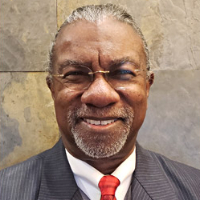
Pamela Peoples
LCSW
Experienced LCSW helping with anxiety and life changes
- Stress, Anxiety
- Self esteem
- Depression
North Carolina 16 years in practice
Clinical social work directory
239 therapists list aging and geriatric issues among the things they work with. All offer sessions online, and every profile shows the registering body, the membership number and when it runs to.
Find therapists who list aging and geriatric issues among their focus areas in North Carolina. Use the listings below to review specialties, approaches, languages, and experience to help you find a good match. Browse profiles to learn more about each therapist's focus and background.
LCSW
Experienced LCSW helping with anxiety and life changes
LCMHC
Experienced counselor for life transitions
NC Psychologist
Compassionate psychologist guiding real-life change
LCSW
Practical strategies for stress and relationships
LCSW
Practical, goal-focused therapy for moving forward
LMFT
Compassionate, practical therapy for relationships and parenting
LCMHC
Experienced counselor focused on relationships and change
LCMHC, LPC
Practical, faith-informed therapy for stress and grief
LCMHC
Practical, values-focused counseling for everyday life
LCSW
Practical trauma-informed support for daily life
LCMHC
Compassionate counseling for anxiety and relationship pain
LCSW, LISW-CP
Practical support for stress and life change
LCSW
Practical, person-centered care for life changes
LCMHC
Practical, goal-focused counseling for life changes
LCMHC
Compassionate counselor for stress and relationships
LCMHC
Experienced counselor focused on practical support
LPC, LCMHC
Compassionate counseling focused on practical change
LMFT
Experienced LMFT focused on relationships and life change
LCSW, LISW-CP
Compassionate, practical support for life's hard moments
LMFT
Skilled therapist focused on practical change
LCSW
Compassionate, practical therapy for everyday struggles
Practical, person-focused therapy for life changes
Practical counseling for recovery and life change
LCSW
Experienced LCSW focused on practical coping strategies
LCSW
Practical, person-centered therapy for daily life
NC Psychologist
Practical, goal-focused therapy in North Carolina
Focused practical therapy for life’s hard moments
Practical, person-focused therapy with experience
LCMHC
Practical support for relationship and life challenges
LPC, LCMHC
Compassionate, practical counseling for life changes
LCSW
Practical, supportive therapy for life’s challenges
LPC, LCMHC
Compassionate practical help for everyday struggles
LCMHC
Practical support for grief and trauma recovery
LCSW
Compassionate client-centered therapy for everyday struggles
LCMHC
Practical, person-focused counseling for life challenges
LCSW
Compassionate, practical therapy for lasting change
LCSW
Practical skills for stress, relationships, and healing
LCSW
Experienced LCSW focused on strengths-based care
LCMHC
Practical, strength-based counseling with faith options
LCSW
Practical, goal-focused therapy with an encouraging approach
Calm, practical support for life’s challenges
Some links on this page are partner links. We will earn a commission if you sign up through one, at no cost to you. It does not change what you pay or the order of the listings.
Aging and geriatric issues cover a wide range of emotional, cognitive, and practical concerns that can emerge as people grow older. These matters often include coping with physical health changes, managing memory differences, navigating retirement and changing roles, handling grief and loss, and addressing social isolation. You may also encounter complex family dynamics around caregiving, decision making, and long-term planning. Geriatric-focused mental health care pays attention to how life transitions and chronic conditions intersect with mood, memory, and daily functioning.
Although aging is a universal process, each person experiences it differently. Cultural background, life history, socioeconomic status, and medical conditions shape the way you or a loved one adapt to new limits and opportunities. Therapists who list aging and geriatric issues among their areas of focus aim to help people preserve quality of life, clarify values and goals, and strengthen coping skills. They often work with family members and other professionals to support practical problem solving as well as emotional adjustment.
If you are wondering whether therapy could help, several common signs frequently lead people to seek support. Persistent sadness, anxiety about health or the future, and withdrawal from social activities can indicate that emotional support would be useful. Noticeable changes in memory, decision making, or daily routines that cause concern for you or for family members are also reasons to explore a therapeutic consultation. Caregiving stress is another common trigger - when the demands of helping a loved one are overwhelming, therapy can offer strategies for stress management and boundary setting.
You might find therapy helpful if you are struggling with sleep, appetite, or motivation related to aging transitions, or if you are facing complicated decisions about housing, care, or finances and need a neutral space to process options. Grief after the loss of friends or a partner, and existential questions about meaning and legacy, are experiences many people bring to therapy. If family relationships have become strained by caregiving responsibilities or differing expectations, therapy can provide a forum to improve communication and coordinate care approaches.
In early sessions, you can expect a therapist to ask about your life history, current concerns, medical background, daily routines, and support network. The goal of intake is to build a picture of how aging-related changes are affecting your emotional health and functioning. Sessions often prioritize practical problem solving alongside emotional processing, so you may spend time addressing immediate needs such as managing stress, organizing care tasks, or improving sleep and activity patterns. Therapists may also help you explore personal goals, values, and relationships as they relate to this life stage.
Therapy can be short-term and focused on a specific problem, or it can be longer-term work to address patterns that developed over decades. Some people come to therapy with family members or caregivers for joint sessions that focus on roles, expectations, and communication. Others work alone to develop coping strategies, grief processing, or meaning-centered approaches. You should expect conversations that are respectful of your autonomy and paced to your comfort, with adaptations made for sensory or cognitive needs when necessary.
Therapists may conduct cognitive screening conversations and coordinate with medical providers, social workers, or community services when a broader approach is helpful. They often help you access information about local resources such as support groups, elder care planning, housing options, and legal or financial referrals. When memory issues or complex medical conditions are present, therapists tend to work as part of a multidisciplinary network so you have options that align with both emotional and practical needs.
Therapists bring a range of approaches when working with older adults and their families. You will find clinicians who list cognitive-behavioral methods among their approaches, which can help with anxiety, sleep, and mood by identifying unhelpful thought patterns and building activity-based coping skills. Therapists who list supportive or person-centered approaches emphasize empathy, validation, and building on strengths, which can be particularly useful when you are navigating loss or identity shifts that accompany aging.
Some therapists mention life review or reminiscence approaches that help you reflect on life themes and achievements, supporting meaning-making and legacy work. Therapists who list family systems approaches may focus on improving communication and role negotiation among caregivers and care recipients. When memory changes are a concern, you will find therapists who list approaches that include cognitive strategies and caregiver coaching to help with routine management and safety planning. It is common for therapists to combine methods based on your goals and the challenges you bring to sessions.
Online therapy can increase access to clinicians who list aging and geriatric issues as a focus, especially if mobility, transportation, or geographic isolation are challenges. You can connect through video, phone, or message-based formats depending on a therapist's listed services. When you try online sessions, consider the technology you feel most comfortable with and any sensory accommodations you might need, such as larger text, captioning, or extended session time for processing. Many therapists describe how they adapt their pace and communication style for older adults who prefer a slower tempo or clearer visual cues.
Using online care often involves setting up a consistent space in your home where you can speak without interruptions, adjusting volume and lighting to suit hearing or vision needs, and planning brief activity or movement breaks if sessions feel long. Some therapists who list geriatric focus also offer hybrid arrangements that combine in-person visits with remote check-ins when that approach is possible. Online work can also facilitate easier involvement of family members who live elsewhere, allowing joint sessions across different locations when needed.
Begin by reviewing profiles to see which therapists list aging and geriatric issues, caregiving support, dementia-related concerns, or end-of-life counseling among their areas of focus. Look at the approaches they list to find styles that resonate with you - whether you prefer structured skills work, reflective life review, or family-centered approaches. Languages spoken and cultural background can matter a great deal when you want to feel understood, so consider clinicians who list language abilities or cultural competencies that align with your needs.
Experience with older adults and with related practical matters is helpful, but profiles vary in how they describe those experiences. Pay attention to whether a therapist mentions coordinating with medical teams, working with caregivers, or addressing mobility and sensory accommodations. When you contact a therapist, describe the specific challenges you or a loved one face and ask how they typically approach similar situations. You can also inquire about communication style, how they adapt sessions for hearing or memory differences, and whether they are comfortable involving family members in care conversations.
Finally, trust your sense of fit. Therapy is a collaborative relationship, and feeling heard and respected is central to progress. If a profile or initial conversation does not feel aligned with your needs, the directory offers other profiles to review so you can find a clinician whose focus areas, approaches, and background better match what you are looking for. Take the time to explore descriptions and to seek a therapist who communicates in a way that helps you feel understood and supported as you navigate this stage of life.