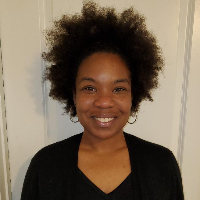
Pamela Peoples
LCSW
Experienced LCSW helping with anxiety and life changes
- Stress, Anxiety
- Self esteem
- Depression
North Carolina 16 years in practice
Clinical social work directory
767 therapists list coping with life changes among the things they work with. All offer sessions online, and every profile shows the registering body, the membership number and when it runs to.
This directory highlights therapists who list coping with life changes as a specialty across North Carolina. Browse the listings below to review each therapist's focus areas, therapeutic approaches, languages, and credentials.
LCSW
Experienced LCSW helping with anxiety and life changes
LCMHC
Experienced counselor for life transitions
NC Psychologist
Compassionate psychologist guiding real-life change
LPC, LCPC
Experienced counselor focused on practical change
LCMHC
Compassionate, practical counseling for everyday struggles
LCMHC
Clear, practical support for stress and relationships
LCMHC
Practical, respectful support for real-life struggles
LCSW
Practical strategies for stress and relationships
LCMHC
Practical support for addiction and life change
LCMHC
Practical, values-focused counseling for adults
LCSW
Practical, goal-focused therapy for moving forward
LCMHC
Helping people deal with stress and life changes
LPC, LCMHC
Compassionate counselor for stress and recovery
LCSW, CSW
Experienced LCSW helping people navigate change
LCSW
Practical, strengths-based therapy for everyday struggles
LCMHC
Experienced counselor focused on relationships and change
LCMHC, LPC
Practical, faith-informed therapy for stress and grief
LCMHC
Somatic-informed counselor focused on practical change
LCMHC
Trauma-informed practical therapy
LCMHC
Practical support for stress and relationships
LCSW
Compassionate, practical support for recovery
LCMHC
Practical, values-focused counseling for everyday life
LCSW
Practical trauma-informed support for daily life
LCSW
Empathetic LCSW helping people find practical progress
LCMHC
Compassionate counseling for anxiety and relationship pain
LPC, LCPC
Experienced person-centered counselor
LMFT
Compassionate relational therapy for practical change
LCSW, LISW-CP
Practical support for stress and life change
LCSW
Practical, goal-focused therapy for everyday challenges
LCSW
Practical, person-centered care for life changes
LCSW
Compassionate, practical support for life’s challenges
LCSW, LISW-CP
Calm, practical therapy for life transitions
LCMHC
Practical, goal-focused counseling for life changes
LCMHC
Compassionate counselor for stress and relationships
LCSW
Practical support for stress and life changes
LCSW
Compassionate, practical therapy for life challenges
Some links on this page are partner links. We will earn a commission if you sign up through one, at no cost to you. It does not change what you pay or the order of the listings.
Coping with life changes covers a wide range of transitions that can alter daily routines, relationships, work, identity, or emotional balance. Change can be planned, such as becoming a parent, moving, or changing careers. It can also be unexpected, such as loss, health shifts, economic stress, or relationship endings. Even positive changes can trigger stress when expectations, roles, or supports shift. You may notice that things which used to feel manageable now require more effort, or that your mood, sleep, or motivation fluctuate as you adjust.
People respond to change in many ways. Some experience heightened anxiety or sadness as they process uncertainty. Others find themselves avoiding decisions or revisiting past choices. Your support network, coping skills, and prior experiences with change shape how you respond. Therapy can offer a dedicated space to process practical challenges and emotional responses, helping you identify what aspects of the transition are most disruptive and what resources you have to adapt.
You might consider talking with a therapist if a life change is affecting your day-to-day functioning, relationships, or sense of well-being. Common signals include prolonged difficulty sleeping, persistent worry about the future, trouble concentrating at work or school, or feeling detached from people who matter to you. You may find yourself replaying scenarios, feeling overwhelmed by decisions, or struggling to motivate yourself to complete routine tasks. These reactions are not a sign of weakness; they are indicators that additional support could help you move through the transition more smoothly.
Therapy can be especially helpful when you want to develop new coping strategies, make meaning of a shift in identity, or set practical goals for the next phase of life. If you notice patterns from past changes resurfacing, or if you are experiencing conflict with loved ones around a transition, a therapist can help you explore those dynamics. You do not need to wait until a crisis to seek support; earlier intervention often helps you adapt with greater resilience.
Early sessions typically focus on understanding the transition you are facing and how it is affecting your life. Your therapist will ask about the timeline of events, the specific stressors you are encountering, and the practical impacts on work, family, and daily routines. You will discuss your history with similar changes and any existing coping strategies that have helped or hindered you. The aim is to form a shared understanding of goals for therapy and to prioritize the most pressing concerns.
Subsequent sessions often mix emotional processing with skills-building. You may practice techniques for managing anxiety or low mood, work on communication strategies for conversations with family members, or develop routines to stabilize sleep and energy. Therapy for life transitions is often pragmatic - helping you make decisions, set boundaries, and plan steps that feel doable. At the same time, you will have space to explore the meaning of the change, how it touches your identity, and ways to reconcile loss and hope as you move forward.
Therapists use a variety of approaches to support people during transitions. Cognitive behavioral approaches are frequently used to identify unhelpful thought patterns and to practice alternative ways of thinking and behaving that reduce distress. Therapists who list acceptance and commitment therapy among their approaches often focus on values-based goals and on accepting difficult feelings while committing to meaningful action. Mindfulness-oriented methods can help you stay grounded during moments of overwhelm and increase awareness of emotional and bodily signals.
Psychodynamic and narrative approaches explore the story you tell about yourself and how past experiences shape current responses to change. Interpersonal therapy emphasizes relationship patterns and communication skills that matter during transitions that affect family or romantic roles. Some therapists list EMDR among their approaches for processing distress tied to specific events. Group therapy can provide peer perspective and normalization when others are navigating similar life shifts. When reviewing listings, look for therapists who describe approaches that resonate with how you prefer to work - whether you want practical tools, exploration of meaning, or a combination of both.
Online therapy offers a flexible way to connect with a therapist from your home, workplace, or another setting that feels comfortable. Sessions are commonly conducted via video, phone, or text-based messaging, and the rhythm of sessions usually mirrors in-person therapy in frequency and length. Online formats can make it easier to maintain continuity when a life change affects your schedule, travel plans, or mobility. They may also broaden the pool of therapists you can consider, including those who list specialties or languages that match your needs.
When using online therapy, it is practical to check that the therapist is licensed to offer services in the state relevant to your care and to confirm the technology and privacy practices they use. Think about where you will participate in sessions so that you have a comfortable environment and minimal interruptions. If your transition involves legal or urgent safety concerns, discuss beforehand how those matters will be handled in an online context so you and your therapist have a clear plan for support and follow-up.
Choosing a therapist is a personal process that balances professional background with interpersonal fit. Start by noting the focus areas and approaches described in therapist listings to find candidates who mention transitions, grief, adjustment, life-stage shifts, or related terms. Consider credentials and years of experience as one factor, and also pay attention to languages offered and any population specialties that match your identity or circumstances. If you prefer an approach that is more directive, such as skills training, look for therapists who list cognitive or solution-focused methods. If you want to explore meaning and identity, look for clinicians who describe psychodynamic, narrative, or existential perspectives.
Communication matters. Pay attention to a therapist's tone in their profile and how they describe their work. If the directory allows you to message therapists, you can use an initial outreach to ask about their experience with the specific type of transition you are facing and about the general structure of their sessions. Practical considerations such as session length, fees, insurance options, and whether they offer in-person, online, or hybrid formats will influence fit, but they are only part of the decision. Ultimately you want a therapist whose style helps you feel heard and whose approach aligns with the change you are navigating. Trust your sense of comfort and connection when making a choice, and remember that finding a right fit can be an important step in moving forward through life transitions.