Colorado 6 years in practice
Clinical social work directory
Therapists who work with Young Adult Issues
475 therapists list young adult issues among the things they work with. All offer sessions online, and every profile shows the registering body, the membership number and when it runs to.
This page connects you with therapists who focus on young adult issues across North Carolina. Browse the listings below to review counselors by approach, experience, and languages spoken.
Use the profiles to learn how different therapists describe their work with young adults and to decide who might be a good match for your needs.

North Carolina 18 years in practice

Dr. Kendra Corning
NC Psychologist
Compassionate psychologist guiding real-life change
- Stress, Anxiety
- Trauma and abuse
- Grief
North Carolina 12 years in practice

Monica Farrer
LCMHC
Practical, respectful support for real-life struggles
- Stress, Anxiety
- Addictions
- Relationship
North Carolina 11 years in practice

Paul Jones
LCSW
Practical strategies for stress and relationships
- Stress, Anxiety
- Trauma and abuse
- Parenting
North Carolina 8 years in practice

Tiffany Herrera
LCMHC
Practical, values-focused counseling for adults
- Stress, Anxiety
- Relationship
- Parenting
North Carolina 6 years in practice

James Dion
LCMHC
Helping people deal with stress and life changes
- Stress, Anxiety
- Family
- Trauma and abuse
North Carolina 5 years in practice

Joyce Washington
LMFT
Compassionate, practical therapy for relationships and parenting
- Relationship
- Trauma and abuse
- Intimacy-related issues
North Carolina 14 years in practice

Donna Cummings
LPC, LCMHC
Compassionate counselor for stress and recovery
- Stress, Anxiety
- Parenting
- Self esteem
South Carolina 20 years in practice

Lauren Anzelone
LCSW
Practical, strengths-based therapy for everyday struggles
- Stress, Anxiety
- Anger
- Self esteem
North Carolina 3 years in practice

Diannah Harris
LCMHC
Calm, experienced counselor for family and trauma issues
- Family
- Trauma and abuse
- Parenting
North Carolina 20 years in practice

Faith Beaulieu
LCMHC
Somatic-informed counselor focused on practical change
- Stress, Anxiety
- LGBT
- Relationship
North Carolina 10 years in practice

Madeline Cohen
LCMHC
Compassionate, practical therapy for anxiety and trauma
- Stress, Anxiety
- Trauma and abuse
- Parenting
North Carolina 15 years in practice

Mishelle Lockerby
LCMHC
Compassionate, practical therapy for anxiety and trauma
- Stress, Anxiety
- Trauma and abuse
- Self esteem
North Carolina 5 years in practice

Compassionate LCSW helping with trauma and addiction
- Addictions
- Family
- Trauma and abuse
North Carolina 8 years in practice

Tawnya Thompson
LCMHC
Practical support for stress and relationships
- Stress, Anxiety
- Relationship
- Depression
North Carolina 25 years in practice

North Carolina 30 years in practice

Stephanie Faison
LCMHC
Practical, values-focused counseling for everyday life
- Stress, Anxiety
- Relationship
- Family
North Carolina 20 years in practice

Jason Radosevich
LCSW
Empathetic LCSW helping people find practical progress
- Stress, Anxiety
- Family
- Grief
North Carolina 10 years in practice

Lauren Sciremammano
LCMHC
Calm, practical therapy for trauma and mood concerns
- Stress, Anxiety
- Trauma and abuse
- Self esteem
North Carolina 6 years in practice

Monika Cambric
LCMHC
Compassionate counseling for anxiety and relationship pain
- Stress, Anxiety
- Trauma and abuse
- Intimacy-related issues
North Carolina 17 years in practice

Daniel Haycock
LCSW
Gentle, curious therapist focused on practical change
- Stress, Anxiety
- Self esteem
- Depression
North Carolina 8 years in practice

Maryrobin Smelzer
LCMHC
Supportive counselor for life transitions
- Stress, Anxiety
- Addictions
- Parenting
North Carolina 25 years in practice

North Carolina 40 years in practice

North Carolina 30 years in practice

North Carolina 15 years in practice
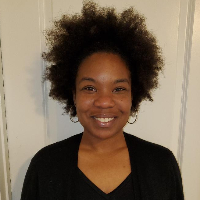
Paulette Plummer
LCSW, LISW-CP
Calm, practical therapy for life transitions
- Stress, Anxiety
- Relationship
- Family
North Carolina 26 years in practice

Saundra Burleson
LCMHC
Compassionate counselor for stress and relationships
- Stress, Anxiety
- Addictions
- Intimacy-related issues
North Carolina 13 years in practice

Veena Madhudi
LCSW, LCSW-R
Experienced LCSW helping people manage stress and loss
- Stress, Anxiety
- Trauma and abuse
- Grief
New York 20 years in practice

Jessica Moore Tyson
LCMHC
Compassionate counselor for major life transitions
- Stress, Anxiety
- Relationship
- Family
North Carolina 16 years in practice

North Carolina 6 years in practice

Patricia Bartley
LCMHC
Compassionate counselor for anxiety and grief
- Stress, Anxiety
- Relationship
- Grief
North Carolina 22 years in practice

Chelsey Lee
LPC, LCMHC
Compassionate counseling focused on practical change
- Stress, Anxiety
- Trauma and abuse
- Grief
North Carolina 5 years in practice

Anne Douglas
LMFT
Experienced LMFT focused on relationships and life change
- Stress, Anxiety
- Relationship
- Family
Illinois 25 years in practice

Todd Glickman
LCSW
Skilled, practical therapy with a coaching mindset
- Stress, Anxiety
- Addictions
- Anger
North Carolina 21 years in practice

Stephen Richardson
LCSW, LISW-CP
Faith-informed social worker focused on healing
- Stress, Anxiety
- Relationship
- Family
North Carolina 10 years in practice

Amy Penley
LMFT
Skilled therapist focused on practical change
- Stress, Anxiety
- Relationship
- Trauma and abuse
North Carolina 10 years in practice

Ambrosia Spaulding
LCSW
Straightforward, practical therapy with an LCSW
- Stress, Anxiety
- Addictions
- Relationship
North Carolina 10 years in practice

Regina Hughes
LCMHC
Practical support for stress and family strain
- Stress, Anxiety
- Relationship
- Family
North Carolina 14 years in practice

La Kevia Moore
LCSW
Compassionate, practical therapy for everyday struggles
- Stress, Anxiety
- Trauma and abuse
- Self esteem
North Carolina 7 years in practice

Nadine Samuel
LCMHC
Calm, practical counseling for life’s tough moments
- Stress, Anxiety
- Relationship
- Family
North Carolina 6 years in practice

Empathetic, practical support for life and relationships
- Stress, Anxiety
- Relationship
- Trauma and abuse
North Carolina 7 years in practice

North Carolina 20 years in practice

North Carolina 14 years in practice

North Carolina 15 years in practice

North Carolina 30 years in practice

Dr. Christina Collins
LCMHC
Attuned counseling for emotional healing and direction
- Stress, Anxiety
- Relationship
- Trauma and abuse
North Carolina 16 years in practice

Practical, person-focused therapy for life changes
- Stress, Anxiety
- Relationship
- Family
North Carolina 14 years in practice

Some links on this page are partner links. We will earn a commission if you sign up through one, at no cost to you. It does not change what you pay or the order of the listings.
Understanding young adult issues and how they affect you
Young adulthood is a period of important transitions that often includes leaving home, starting higher education or a career, forming new relationships, and exploring identity. Because these shifts happen quickly you can experience uncertainty about choices, feel pressure to meet expectations, and struggle with new responsibilities. Emotions that once felt manageable can intensify when routines and supports change. For many people the challenge is not a single problem but a cluster of evolving concerns - relationships, finances, work-life balance, and self-definition - that interact and create stress.
How these issues show up differs from person to person. Some young adults notice persistent feelings of anxiety or low mood that get in the way of daily functioning. Others find themselves avoiding situations that used to feel doable or repeating patterns of conflict in friendships and romantic relationships. Career decisions that feel like crossroads can trigger worry about long-term outcomes, while lingering family dynamics may complicate your attempts to be independent. Recognizing that these are common experiences in this life stage can help you approach change with clearer expectations and more realistic timelines.
Signs you might benefit from therapy for young adult issues
You might consider therapy when difficulties start to interfere with parts of your life that matter - work or school performance, meaningful relationships, or your ability to care for your health. If you feel stuck making decisions, experience frequent mood swings, or notice habits that reduce your quality of life, therapy can offer a focused space to explore underlying patterns. You may also seek help if transitions lead to overwhelming worry or if social withdrawal replaces activities you once enjoyed.
Pay attention to practical signals that things are harder than they should be. Problems with sleep, appetite, concentration, or motivation can all be signs that the stress you are carrying deserves attention. Repeated conflicts with family or partners, difficulty managing money or time, and avoidance of responsibilities are other indicators that working with a therapist could be helpful. Therapy is not only for crisis moments - it can also support you as you clarify goals, build decision-making skills, and learn strategies to manage recurring challenges.
What to expect in therapy sessions focused on young adult issues
When you start therapy for young adult issues you can expect an initial conversation about your background, current concerns, and what you hope to achieve. That intake process helps a therapist understand the relationships, transitions, and stressors that shape your experience. Sessions often balance talking and practical skill-building. You and your therapist may explore patterns in how you relate to others, examine beliefs that influence your choices, or practice communication and problem-solving strategies that apply to real-life challenges.
Therapy frequently evolves as you do - early sessions might focus on building rapport and identifying urgent targets, while later work can shift toward maintenance, relapse prevention, or refining coping strategies. Some people find it useful to set short-term goals, such as improving sleep or managing anxiety around public speaking, while also pursuing longer-term aims like career clarity or healing family wounds. You should expect therapy to be a collaborative process where you and your therapist experiment with approaches and adjust the plan based on what helps.
Common therapeutic approaches used for young adult issues
Therapists use a range of approaches when working with young adults, and many combine elements from multiple methods to fit your needs. Cognitive-behavioral approaches often focus on identifying and changing thought patterns and behaviors that contribute to distress, while emotion-focused work helps you understand and regulate strong feelings. Interpersonal and relational approaches attend to patterns in friendships, family systems, and romantic relationships that shape your well-being. Mindfulness-informed practices can help you develop awareness and reduce reactivity to stress.
It is common to find therapists who list approaches such as CBT, dialectical behavior approaches, psychodynamic-informed work, or family systems among their approaches. Seeing these labels on a profile means that a therapist is likely to draw on those ideas in sessions. When you read therapist descriptions, look for explanations of how they adapt methods to the developmental context of young adulthood - for example, addressing identity exploration, career uncertainty, or boundary-setting with family. A good fit is often about how an approach is applied rather than the name of the approach itself.
How online therapy works for young adult issues and tips for choosing a therapist
How online therapy can support young adults
Online therapy offers a way to connect with a therapist using video or audio sessions that can fit around school, work, or travel. For many young adults the convenience of remote sessions makes ongoing care more manageable, especially if you live far from urban centers or have unpredictable schedules. You can expect most online sessions to mirror in-person therapy in structure - a conversation focused on your goals, guided by therapeutic techniques - with the added benefit of meeting from wherever you feel comfortable, whether that is a dorm room, an apartment, or a trusted friend's home.
When using online therapy for young adult issues, think about the environment where you will meet so you can engage without frequent interruptions. Some therapists describe whether they work with video, phone, or messaging, and you can use those details to determine what fits your needs. Online work can also make it easier to maintain continuity of care if you move for school or work, since you may continue with a therapist who understands your progress rather than starting over repeatedly.
Tips for choosing the right therapist
Selecting a therapist for young adult issues is a personal process. Start by identifying what matters most to you - approaches that prioritize skill-building, those that focus on relationships, or therapists who describe experience with identity, career, or family transitions. Pay attention to the language therapists use in their profiles to see whether their descriptions of work align with your priorities. Consider practical factors such as theoretical orientation, years of experience, and whether they mention working with issues common to young adulthood.
Language and demographic background may be important if you want to work with someone who understands specific cultural, racial, or LGBTQ concerns. Look for descriptions that speak to your values and needs, and consider initial sessions as opportunities to sense whether a therapist's style feels like a good match. It is reasonable to prioritize a therapist who communicates clearly about their approach and who frames therapy as a collaborative effort. Remember that making the first contact is simply the beginning of a conversation - choosing someone who helps you feel heard and supported over time matters more than matching every preference on paper.
Whether you opt for in-person work or online sessions, it helps to be curious and patient with the process. Therapy is a tool for learning and adaptation during a life stage that is full of change. By clarifying your goals, paying attention to how you engage in sessions, and choosing a therapist whose approach resonates with you, you increase the chances that therapy will be a meaningful part of your transition into adulthood.
Keep exploring
Related concerns
Ways of working