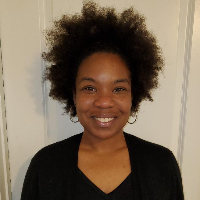
Dr. James Hunter Jr
LCMHC
Experienced counselor for life transitions
- Stress, Anxiety
- Depression
- Relationship
North Carolina 19 years in practice
Clinical social work directory
562 therapists list Client-Centered Therapy among the ways they work. Naming an approach is not evidence of training in it, so ask directly how they use it.
Client-Centered Therapy focuses on empathy, respect, and allowing you to lead the pace and content of sessions while the therapist listens without judgment. Below you can browse therapists who list Client-Centered Therapy among their approaches.
LCMHC
Experienced counselor for life transitions
NC Psychologist
Compassionate psychologist guiding real-life change
LPC, LCPC
Experienced counselor focused on practical change
LCMHC
Compassionate, practical counseling for everyday struggles
LCMHC
Practical, respectful support for real-life struggles
LCSW
Practical, supportive therapy for emotional healing
LCSW
Practical strategies for stress and relationships
LCMHC
Practical support for addiction and life change
LCMHC
Practical, values-focused counseling for adults
LCMHC
Practical, culturally aware counseling for everyday struggles
LCMHC
Helping people deal with stress and life changes
LPC, LCMHC
Compassionate counselor for stress and recovery
LCSW
Practical, strengths-based therapy for everyday struggles
LCMHC
Experienced counselor focused on relationships and change
LCMHC
Compassionate, practical therapy for anxiety and trauma
LCMHC
Practical support for stress and relationships
LCSW
Compassionate, practical support for recovery
LCSW
Practical trauma-informed support for daily life
LCSW
Practical, steady support for stress and recovery
LCSW
Empathetic LCSW helping people find practical progress
LPC, LCPC
Experienced person-centered counselor
LCSW
Practical, person-centered care for life changes
LCSW, LISW-CP
Calm, practical therapy for life transitions
LCMHC
Practical, goal-focused counseling for life changes
LCMHC
Compassionate counselor for stress and relationships
LCSW
Compassionate, practical therapy for life challenges
LPC, LCMHC
Practical support for stress and trauma recovery
LCMHC
Experienced counselor focused on practical support
LPC, LCMHC
Practical support for stress and mood
Experienced NC LCSW focused on practical support
LPC, LCMHC
Compassionate counseling focused on practical change
LMFT
Experienced LMFT focused on relationships and life change
LCMHC
Practical, collaborative counseling focused on real-life change
LCSW, LISW-CP
Faith-informed social worker focused on healing
LCSW, LISW-CP
Compassionate, practical support for life's hard moments
LMFT
Skilled therapist focused on practical change
Some links on this page are partner links. We will earn a commission if you sign up through one, at no cost to you. It does not change what you pay or the order of the listings.
Client-Centered Therapy emphasizes your own experience as the primary guide for change. Rather than the therapist directing steps or interpreting symptoms, the practitioner offers a style of presence that includes active listening, unconditional positive regard, and genuine engagement. The idea is that when you feel heard and valued, you are more able to explore your thoughts and feelings, discover internal resources, and make choices that align with your values. This approach prioritizes the therapeutic relationship as the vehicle for growth. Therapists who list Client-Centered Therapy among their approaches typically aim to create an environment in which you can speak freely, explore difficult emotions, and work through uncertainty at your own pace.
At its core, Client-Centered Therapy assumes that people are capable of self-directed growth when provided with the right kind of interpersonal support. The therapist adopts a nonjudgmental stance, mirrors your concerns to reflect understanding, and intentionally avoids imposing interpretations. You are treated as the expert on your life, and the therapist functions as a partner who helps clarify feelings and possibilities. This emphasis on authenticity and acceptance is what differentiates Client-Centered Therapy from styles that rely primarily on techniques or structured interventions.
Client-Centered Therapy is often used for a wide range of emotional and relational difficulties because it centers on building awareness and self-acceptance. People turn to this approach for issues such as anxiety, persistent sadness or low mood, stress related to life transitions, difficulties with self-esteem, and relationship conflicts. Because the focus is on your subjective experience, it can be helpful when you are navigating identity questions, grief, parenting challenges, or adjusting to medical diagnoses. It can also support personal development goals like improving assertiveness, clarifying priorities, or learning to tolerate uncomfortable emotions more effectively.
The approach can be especially useful if you want a therapy that honors your pace and priorities rather than following a predetermined protocol. It is not limited to any particular diagnosis or problem; instead, therapists who list this approach often adapt their listening and responses to whatever you bring into the room. For some concerns, Client-Centered Therapy is used on its own. For others, it appears alongside additional approaches when therapists combine relationship-focused work with skill-building or behavioral strategies depending on your goals.
In a typical session you can expect a conversational, reflective atmosphere rather than a structured checklist. Sessions usually begin with an open invitation: the therapist asks how you would like to use the time and listens for the topics or feelings that are most present for you. They may reflect back what they hear, paraphrase key sentiments to ensure understanding, and ask gentle, open-ended questions that invite deeper exploration. You will rarely encounter directive exercises unless you and the therapist agree they are useful. Instead, the practice focuses on clarifying your experience and supporting your capacity to make sense of it.
Body language, tone, and attentive silence are part of the therapeutic tools in this approach. You might find that the therapist offers minimal interpretation and instead emphasizes empathy and acceptance. Over time, this nonjudgmental stance can help you notice patterns in your thinking and behavior and begin to experiment with new ways of relating to yourself and others. Sessions may feel slower or more exploratory compared with highly structured therapies, and many people report that the steady, accepting presence of the therapist itself becomes a catalyst for change.
Client-Centered Therapy differs from more directive therapies in several key ways. Where cognitive-behavioral approaches prioritize identifying and changing specific thought patterns or behaviors through targeted techniques, a client-centered style emphasizes the relational context and your internal process. Instead of assigning homework or using structured interventions as the primary vehicle for change, the therapist focuses on listening deeply and reflecting your experience back to you. This does not mean that concrete change cannot occur; it simply means that change is expected to emerge from increased self-understanding and self-acceptance rather than from skill drills alone.
Compared with psychodynamic therapy, which often explores unconscious drives and historical patterns through interpretation, Client-Centered Therapy tends to stay closer to your present feelings and perceptions. The therapist is less likely to provide interpretive frameworks and more likely to prioritize empathic mirroring and support. In short, if you prefer to be led by your own insight rather than guided by technique or interpretation, you may find the client-centered style aligns with your preferences. Many therapists integrate elements from various approaches, so it is common to encounter practitioners who list Client-Centered Therapy alongside other methods.
You may be a good candidate for Client-Centered Therapy if you want a therapeutic relationship that emphasizes empathy, acceptance, and personal agency. If you feel overwhelmed by directive advice or prefer to arrive at your own conclusions through exploration, this approach can be a comfortable fit. It is also suited to people who are working through interpersonal issues, identity development, grief, or life transitions where understanding your feelings and values is central to moving forward. If you function well with reflective, relational work and want space to process without pressure to follow a strict protocol, Client-Centered Therapy may serve you well.
When looking for a therapist in North Carolina who lists Client-Centered Therapy among their approaches, consider how you want to be supported and what practical factors matter to you. Pay attention to a therapist's described focus areas, the populations they mention, languages offered, and professional credentials. Reading therapist profiles can give you a sense of whether their style and emphasis match your preferences. You may also want to reach out with questions about their way of working to learn more about how they describe the therapeutic relationship and what a typical course of sessions might involve. Choosing a therapist is a personal decision, and finding someone whose approach resonates with you increases the chances that the work will feel meaningful and productive.
As you compare profiles, look for language that reflects empathy, nonjudgmental listening, and collaboration. Notice whether the therapist highlights working at your pace and supporting your autonomy. Consider whether you prefer sessions that focus primarily on talk and reflection or sessions that combine reflection with concrete strategies. While profiles cannot guarantee a match, they can help you narrow options to those whose stated approach and focus areas align with your needs. Meeting a few different therapists can also clarify which relational style feels most comfortable for you.
Ultimately, Client-Centered Therapy is about creating a supportive atmosphere where you can attend to your inner life and make choices that reflect your values. By selecting a therapist who lists this approach among their methods and whose profile resonates with your priorities, you can start a collaboration aimed at deepening self-understanding and fostering change on your terms.