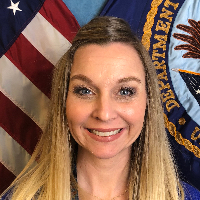
Dr. Kendra Corning
NC Psychologist
Compassionate psychologist guiding real-life change
- Stress, Anxiety
- Trauma and abuse
- Grief
North Carolina 12 years in practice
Clinical social work directory
172 therapists list first responder issues among the things they work with. All offer sessions online, and every profile shows the registering body, the membership number and when it runs to.
Search profiles of therapists who work with first responder issues across North Carolina. Browse counselor specialties, approaches, languages and credentials below to find professionals who match your needs.
NC Psychologist
Compassionate psychologist guiding real-life change
LCMHC
Helping people deal with stress and life changes
LPC, LCMHC
Compassionate counselor for stress and recovery
LCMHC
Somatic-informed counselor focused on practical change
LCSW
Compassionate, practical support for recovery
LCSW
Practical trauma-informed support for daily life
LCMHC
Compassionate counselor for stress and relationships
LMFT
Experienced LMFT focused on relationships and life change
LCSW
Compassionate, practical therapy for everyday struggles
LCMHC
Calm, practical counseling for life’s tough moments
LCSW
Compassionate, practical therapy for real-life struggles
Practical, person-focused therapy for life changes
LCSW
Mindful acceptance and practical skills for change
NC Psychologist
Practical, goal-focused therapy in North Carolina
Practical, person-focused therapy with experience
Compassionate counselor for mood and trauma
LCSW
Helping people recover, rebuild, and move forward
LCMHC
Compassionate practical counseling for life transitions
LCMHC
Practical, respectful counseling for complex issues
LCMHC
Practical support for grief and trauma recovery
LCSW
Compassionate, practical therapy for lasting change
LCSW
Experienced LCSW focused on strengths-based care
LCMHC
Practical, collaborative support for anxiety and relationships
LCSW
Practical support for stress and relationship struggles
LMFT
Calm, practical therapy focused on real-life change
Compassionate counselor focused on practical change
LCSW
Helping people build steady, practical coping skills
LCMHC
Compassionate counselor focused on real-life change
Practical, values-focused therapy for daily life
CA Psychologist, NC Psychologist
Practical, skills-based therapy for mood and attention
LCMHC
Practical, goal-focused support for stress and trauma
LCSW
Compassionate social worker focused on practical change
LPC, LCMHC
Compassionate counseling focused on practical change
LCSW
Warm, practical therapy focused on real-life change
LPC, LCMHC
Practical, experienced counselor for stress and addiction
LCMHC
Counselor focused on practical coping skills
LCMHC, LMFT
Steady, experienced counselor for life transitions
Experienced LMFT focused on practical change
LCMHC
Calm, practical support for overwhelming moments
LMFT
Focused, practical therapy for stress and trauma
LCSW, LISW-CP
Therapist focused on practical emotional coping
Some links on this page are partner links. We will earn a commission if you sign up through one, at no cost to you. It does not change what you pay or the order of the listings.
First responder issues refer to the range of psychological and emotional challenges that can arise from repeated exposure to high-stress incidents and traumatic events in public safety work. If you are a firefighter, emergency medical technician, police officer, correctional officer, dispatch worker or another emergency responder, the work often involves acute emergencies, human suffering and difficult decisions under pressure. Over time, those experiences can affect mood, relationships, sleep and your sense of meaning. The term covers stress reactions after a single critical incident as well as cumulative effects such as burnout, moral injury and posttraumatic stress reactions.
Because the work environment and culture of emergency services can shape how people respond and seek help, the challenges you face may include worry about judgment, concerns about career impact, and the need to balance operational readiness with personal wellbeing. Many therapists who list first responder issues among their specialties tailor their approach to acknowledge the occupational realities you face and to help you develop strategies that fit the demands of shift work, exposure to trauma, and team dynamics.
You may start to consider therapy when stress or trauma begins to affect your daily life, job performance or relationships. Common indicators include trouble sleeping, recurrent intrusive memories or flashbacks, heightened startle response, persistent irritability or anger, and avoidance of places or situations that remind you of incidents. You might notice changes in alcohol or substance use as a way to cope, withdrawal from family or team interactions, or a sense that your reactions are not returning to baseline after difficult calls.
Other signs include decreased motivation, difficulty concentrating, and a growing sense of cynicism or detachment that interferes with your work satisfaction. Sometimes physical symptoms - unexplained aches, headaches, or digestive problems - accompany emotional strain. If moral questions about decisions made on duty, or feelings of guilt and shame, are prominent, these can be particularly painful and may benefit from focused therapeutic attention. Therapy can help you identify when normal stress responses become persistent patterns that limit your functioning and quality of life.
In an initial session you and a therapist will typically review the reasons you’re seeking support, your history with emergency work, and any current symptoms or concerns. The therapist may ask about your typical work schedule, types of incidents you respond to, and how you’re coping day to day. You should expect a collaborative conversation that sets goals based on what matters most to you - whether that is reducing anxiety, improving sleep, managing intrusive memories, or repairing relationships affected by stress.
Over subsequent sessions, therapy often blends practical skills with processing difficult experiences. You may work on emotion regulation skills, grounding techniques for strong reactions, and strategies to improve sleep and daily routine. When addressing traumatic memories, some therapists focus on stabilizing you first before any in-depth processing, and they will usually discuss the pace and methods ahead of time so you feel comfortable with the plan. Therapy also frequently involves problem-solving around work-life balance, communicating needs to colleagues and family, and preparing for stressful periods such as major incidents or anniversary reactions.
Therapists employ a range of approaches when working with first responder issues, and you will find clinicians who list different methods among their approaches. Cognitive behavioral therapy, often shortened to CBT, is commonly used to help you identify unhelpful thought patterns and develop more adaptive responses. Acceptance and commitment approaches emphasize values-based living and increasing psychological flexibility, which can be helpful when you face ongoing occupational stress that cannot be completely removed.
Some therapists use exposure-based strategies to address fear and avoidance that follow traumatic incidents. You may also find therapists who list EMDR among their approaches; when used, that method is presented as one of several options for processing distressing memories. Other approaches that appear in profiles include narrative or meaning-focused work that helps you reframe the story of difficult calls, and somatic methods that attend to how stress shows up in the body. Many clinicians combine skills training with supportive, trauma-informed care to create a plan responsive to your priorities and the realities of emergency service work.
Online therapy can expand your options by connecting you with therapists across North Carolina who specialize in first responder issues. Sessions typically happen by video or phone, allowing you to meet from home, a vehicle between shifts, or another place where you can take time for yourself. Before beginning, you and the therapist will discuss session length, frequency and communication preferences, and you should pick a setting where you can focus and protect your privacy and boundaries while talking about sensitive material.
Therapists often adapt techniques to the remote setting - for example, teaching grounding exercises you can use after a distressing call, or working on sleep and routine changes tailored to shift work. Online counseling can make it easier to maintain continuity of care during relocations, transfers, or schedule changes common in emergency services. If you prefer occasional in-person meetings, some clinicians list both remote and in-person options on their profiles. In all cases, the therapeutic relationship and a clear plan for goals and follow-up are central to helpful online work.
When you search for a therapist, focus on factors that matter most to you: whether the clinician lists experience with first responder populations, the therapeutic approaches they use, their professional credentials and licensure, and any languages they speak. Reading profile summaries can give you a sense of whether a therapist understands occupational stress, trauma exposure and the culture of emergency work. You might look for statements about working with trauma, stress management or shift-related concerns, and for clinicians who mention collaborating with families and departments when appropriate.
Consider reaching out to a few therapists to ask about their approach to first responder issues, how they structure sessions for people on irregular schedules, and how they measure progress. It is reasonable to ask about their experience working with moral injury, grief after loss on the job, or long-term burnout. You may also find it helpful to prioritize a therapist who emphasizes skills for everyday functioning as well as approaches for processing difficult memories. Ultimately, selecting a therapist is a personal decision - trust your sense of fit and whether the therapist’s stated approach and background align with the support you want.
Dealing with first responder issues often means balancing the demands of your role with the need to care for your mental health. Therapy offers a space to address symptoms, build coping strategies, and strengthen relationships affected by occupational stress. Use the listings below to compare approaches, credentials and focus areas so you can connect with a counselor whose profile matches your needs and circumstances. Taking the first step to explore options can be an important part of sustaining your wellbeing on and off the job.