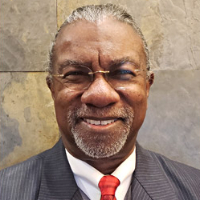
Dr. Kendra Corning
NC Psychologist
Compassionate psychologist guiding real-life change
- Stress, Anxiety
- Trauma and abuse
- Grief
North Carolina 12 years in practice
Clinical social work directory
187 therapists list sexuality among the things they work with. All offer sessions online, and every profile shows the registering body, the membership number and when it runs to.
This page connects you with therapists in North Carolina who list sexuality among their areas of focus. Each profile highlights approaches, languages, and areas of emphasis so you can learn more about potential matches. Browse the listings below to review profiles and find professionals who align with your needs.
NC Psychologist
Compassionate psychologist guiding real-life change
LMFT
Compassionate, practical therapy for relationships and parenting
LCMHC
Experienced counselor focused on relationships and change
LCMHC
Somatic-informed counselor focused on practical change
LCSW
Practical, steady support for stress and recovery
LCSW
Empathetic LCSW helping people find practical progress
LCMHC
Compassionate counselor for stress and relationships
LCSW
Compassionate, practical therapy for life challenges
LMFT
Experienced LMFT focused on relationships and life change
LCSW, LISW-CP
Faith-informed social worker focused on healing
LCSW
Compassionate, practical therapy for everyday struggles
Empathetic, practical support for life and relationships
LCMHC
Hopeful, practical therapy for daily life
NC Psychologist
Practical, goal-focused therapy in North Carolina
Compassionate counselor for mood and trauma
LCMHC
Compassionate counseling focused on practical change
LCSW
Helping people recover, rebuild, and move forward
LCMHC
Practical, respectful counseling for complex issues
LCSW
Compassionate client-centered therapy for everyday struggles
LCMHC
Practical, person-focused counseling for life challenges
LCSW
Compassionate, practical therapy for lasting change
LCMHC
Collaborative counselor focused on practical growth
LCSW
Practical skills for stress, relationships, and healing
LCSW
Experienced LCSW focused on strengths-based care
LCMHC
Practical, collaborative support for anxiety and relationships
LCMHC
Experienced counselor helping with everyday struggles
LMFT
Calm, practical therapy focused on real-life change
LCMHC
Practical support for stress, anxiety, and life change
Compassionate counselor focused on practical change
LCSW
Helping people build steady, practical coping skills
LMFT
Practical, relationship-focused therapy for adults
LCSW
Practical therapy focused on everyday strengths
Practical, values-focused therapy for daily life
LCSW
Compassionate LCSW helping people build emotional strength
LCSW
Helping adults build clearer boundaries and purpose
NC Psychologist
Calm, practical therapy for tough life challenges
Some links on this page are partner links. We will earn a commission if you sign up through one, at no cost to you. It does not change what you pay or the order of the listings.
Sexuality is a broad aspect of who you are that can include sexual orientation, gender identity, sexual desire, intimacy patterns, and how you experience sexual expression in relationships. For many people, sexuality intersects with emotional wellbeing, relationship dynamics, cultural background, and personal values. You may experience curiosity, confusion, joy, frustration, or distress around sexual feelings and behaviors at different stages of life. These experiences can shape how you relate to partners, how you feel about your body, and how you make decisions about health and intimacy.
Because sexuality often involves deeply personal and social dimensions, it can influence other areas of your life such as mood, self-esteem, and relationship satisfaction. You might find that questions about sexual orientation or gender identity surface during life transitions, or that changes in desire or function affect your partnership. Cultural messages, religious beliefs, and past experiences can add layers of meaning that feel difficult to navigate on your own. Therapy can provide a place to explore these layers and to develop language and understanding that feel authentic to you.
You might consider seeking a therapist who works with sexuality if you notice persistent distress or recurring patterns that interfere with your day-to-day life or relationships. Common signs include ongoing worry or shame about sexual feelings, difficulty forming or maintaining intimate relationships, painful sexual experiences, or sudden changes in desire that feel unexplained. You may also seek support if you are questioning your sexual orientation or gender identity and want a space to explore that without pressure.
Other reasons people seek help include navigating consensual nonmonogamy, managing the sexual aspects of chronic illness or mental health conditions, coping with the aftermath of sexual trauma, or wanting to enhance intimacy with a partner. If sexual concerns are causing frequent conflict in your relationships or making it hard to trust yourself or others, therapy can help you unpack underlying dynamics and develop practical strategies for clearer communication and healthier connection.
When you begin working with a therapist about sexuality, you can expect early sessions to focus on building rapport and describing the concerns that brought you in. The therapist will likely ask about the history of the concern, your relationship context, health and medication factors, and goals for therapy. This is a collaborative phase where you and the therapist clarify priorities and practical boundaries for the work. You should feel free to express what matters to you and to set any limits about topics or techniques you do not want to explore.
Sessions often combine talk therapy with skill-building exercises. Your therapist may help you increase awareness of thoughts and emotions around sexual experiences, practice clearer ways of communicating needs with partners, and explore how past experiences shape current patterns. You might be guided through sensate awareness exercises, communication rehearsals, or cognitive strategies to address unhelpful beliefs. Keep in mind that different therapists take different approaches; some emphasize emotional processing while others focus more on behavioral strategies and practical tools. It is reasonable to ask a therapist how they typically structure sessions and what kinds of changes clients generally pursue.
Therapists who work with sexuality often draw on a range of approaches depending on your goals and preferences. Some therapists reference cognitive behavioral frameworks to address thoughts and behaviors that contribute to distress, while others integrate relational or systemic perspectives that look at patterns between partners. Psychodynamic-informed approaches may explore how early experiences shape present sexual patterns, and mindfulness-based methods can help you become more present and reduce performance pressure.
It is important to remember that when a profile mentions an approach, it indicates that a therapist lists that method among their approaches rather than a formal certification. Many therapists blend elements from several traditions to tailor their work to your needs. You may find therapists who highlight sex-positive frameworks, trauma-aware care, or culturally informed perspectives. Discussing how a therapist applies their chosen approaches to sexuality concerns can help you understand whether their style matches your expectations.
Online therapy can make it more convenient to connect with a therapist who has experience with sexuality across different regions of North Carolina. When you choose online sessions, you typically meet over video or telephone in a setting that you control, which can make it easier to access specialized approaches or a therapist who shares your language or cultural background. Many people appreciate the flexibility of scheduling and the ability to participate from their own home or another comfortable environment.
Before starting online work, consider how you will create privacy in your physical space and what technology will be used. Some people prefer video for the visual connection, while others find audio-only sessions less exposing. Therapists can guide you in setting boundaries for sessions, discussing safety planning if trauma is part of the work, and clarifying how communication outside sessions is handled. Online therapy is a practical option for addressing sexuality, but think about whether you want an in-person option for certain types of work or for joint sessions with a partner.
When selecting a therapist who works with sexuality, focus on fit as much as credentials. Consider the ways a therapist describes their approach to sexuality, whether they mention working with issues similar to yours, and whether their cultural background or language abilities align with your needs. It can be helpful to read profiles to learn how therapists talk about consent, sexual diversity, and relationship models that differ from conventional expectations. You may want someone who explicitly states a sex-positive stance, or you may prefer a therapist who integrates faith or cultural values into the work.
Trust your sense of comfort during initial conversations. It is appropriate to ask how a therapist approaches topics like trauma, desire discrepancies, or identity exploration and to inquire about the kinds of strategies they commonly use. Pay attention to whether the therapist listens without judgment and whether their explanations of process and goals feel clear. Choosing a therapist is a personal decision and you have the right to seek someone whose style and language help you feel understood and empowered to make changes.
Working with a therapist on sexuality is a process of exploration and skill-building that can help you clarify values, strengthen communication, and increase satisfaction in your intimate life. Whether you are exploring identity, managing desire changes, recovering from harm, or deepening partnership, finding a therapist who aligns with your needs and who uses approaches you understand can make the work more effective. Use the listings on this page to learn about professionals in North Carolina who list sexuality among their specialties and to begin the process of finding a fit for your path forward.