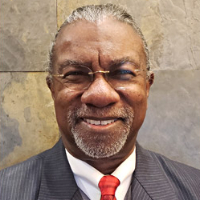
Dr. James Hunter Jr
LCMHC
Experienced counselor for life transitions
- Stress, Anxiety
- Depression
- Relationship
North Carolina 19 years in practice
Clinical social work directory
185 therapists list men's issues among the things they work with. All offer sessions online, and every profile shows the registering body, the membership number and when it runs to.
Browse profiles of North Carolina therapists who list men's issues among their specialties, from relationship concerns to identity and life transition challenges. Use the listings below to explore approaches, credentials, languages, and clinician focus as you search for a good match.
LCMHC
Experienced counselor for life transitions
LCSW
Practical strategies for stress and relationships
LCSW
Practical, goal-focused therapy for moving forward
LCMHC
Helping people deal with stress and life changes
LMFT
Compassionate, practical therapy for relationships and parenting
LCMHC
Experienced counselor focused on relationships and change
LCMHC
Practical support for stress and relationships
LCSW
Empathetic LCSW helping people find practical progress
LCMHC
Compassionate counselor for stress and relationships
LCSW
Compassionate, practical therapy for life challenges
LCMHC
Practical therapy focused on real-life change
LMFT
Experienced LMFT focused on relationships and life change
LCSW
Skilled, practical therapy with a coaching mindset
LCSW, LISW-CP
Faith-informed social worker focused on healing
LCMHC
Practical support for stress and family strain
LPC
Practical, person-centered care for life changes
LCMHC
Hopeful, practical therapy for daily life
Practical counseling for recovery and life change
LPC, LCMHC
Practical help for anxiety and addiction
NC Psychologist
Practical, goal-focused therapy in North Carolina
Compassionate counselor for mood and trauma
LCSW
Helping people recover, rebuild, and move forward
LCMHC
Compassionate counselor focused on practical change
LPC, LCMHC
Compassionate, practical counseling for life changes
LPC, LCMHC
Compassionate practical help for everyday struggles
LCSW
Compassionate client-centered therapy for everyday struggles
LCSW, LCSW-R
Experienced LCSW focusing on practical coping skills
LCMHC
Practical, person-focused counseling for life challenges
LCMHC
Collaborative counselor focused on practical growth
LCSW
Practical support for stress and relationships
LCSW
Practical, goal-focused support for life's hard moments
LMFT
Calm, practical therapy focused on real-life change
LCMHC
Practical support for stress, anxiety, and life change
LCSW
Helping people build steady, practical coping skills
LCMHC
Practical, goal-focused support for stress and trauma
LCSW
Compassionate social worker focused on practical change
Some links on this page are partner links. We will earn a commission if you sign up through one, at no cost to you. It does not change what you pay or the order of the listings.
Men's issues is a broad area that captures emotional, relational, and behavioral concerns that many people who identify as men bring to therapy. These concerns can include stress related to work and provider expectations, difficulty expressing emotions that feel vulnerable, challenges in forming or maintaining intimate relationships, struggles with identity or sexual health, and responses to trauma or loss. Social and cultural norms about masculinity can shape how these issues show up - for example, you may have been encouraged to prioritize toughness or self-reliance, which can make it harder to ask for help or to admit when something feels wrong.
Understanding the context for your concerns is often an early focus in therapy. When you explore how upbringing, cultural expectations, and life roles influence your feelings and behaviors, you gain more options for responding to stressors. Therapy for men's issues aims to create room for emotional honesty, healthier coping, and choices that align with your values rather than automatic patterns you may have learned. Many people find that addressing these concerns can improve relationships, reduce chronic stress, and increase a sense of agency in everyday life.
It can be hard to know when a challenge calls for professional support, especially if you have been managing on your own for a long time. You might consider therapy if you notice persistent feelings that interfere with work or relationships, such as ongoing irritability, withdrawal, numbness, or difficulty concentrating. Relationship strain is another common sign - recurring conflict with a partner, family members, or friends that feels stuck or escalates frequently can indicate patterns worth addressing in therapy.
Other signals include reliance on substances or risky behaviors to manage emotions, a sense of being disconnected from your values or identity, trouble with sexual functioning or desire, or repeated experiences of shame or guilt that are hard to move past. If you have experienced trauma, including military-related events or interpersonal violence, and find memories or reactions that affect daily life, therapy can provide structured support for processing those experiences. In short, if emotional pain is persistent, worsening, or getting in the way of the life you want, talking with a therapist who lists men's issues among their specialties may be helpful.
When you begin therapy for men's issues, the first sessions typically focus on building rapport and understanding the specific patterns that brought you in. A therapist will invite you to describe your concerns, history, relationships, and goals, and they will work with you to set priorities for the work ahead. Sessions are often collaborative - you and the therapist evaluate what feels most important and practical to address, and you try out strategies that might fit your life and values.
Therapy can include a mix of talking about your experiences and practicing new ways of responding in real time. Some sessions emphasize emotional exploration, helping you identify and name feelings that may have been minimized or avoided. Other sessions focus on skill-building - improving communication, managing stress, reducing avoidance, and strengthening problem-solving. You should expect the pace and focus to adapt as you learn what helps and what does not, and a therapist who lists men's issues among their specialties will typically be prepared to discuss how gender expectations influence patterns and choices.
There are different therapeutic approaches that therapists may list as part of their work with men's issues. Cognitive behavioral approaches tend to focus on the links between thoughts, feelings, and behaviors, and they often include practical exercises for changing unhelpful patterns. Psychodynamic or relational approaches emphasize how past relationships and unconscious patterns shape current reactions, offering a chance to work through longstanding dynamics. Mindfulness and acceptance-based strategies help you develop new ways of relating to difficult emotions without getting stuck, and trauma-informed methods can assist in processing painful memories and reducing reactivity. You may encounter therapists who list a range of modalities among their approaches - asking about how those methods might apply to your concerns can clarify what to expect.
Online therapy has become a common option for people seeking support for men's issues, and it can fit different schedules and comfort levels. In most models, you meet with a therapist by video or audio from a location that suits you, such as a quiet room at home or another personal setting. Sessions follow a similar structure to in-person work, with time for check-in, focused exploration of concerns, and practice of new strategies. The remote format can make it easier to access therapists who list men's issues among their specialties across the state, including those with experience in specific communities or life stages.
When you try online therapy, it helps to prepare a comfortable environment where you can speak openly without interruption. You may find video feels more personal, while audio may reduce the feeling of being watched. information-sharing boundaries practices and technology features vary by provider - you can ask how communication is handled between sessions and what platforms the therapist uses. Online work can also include homework or exercises you try between sessions, and some people appreciate that digital formats allow flexible ways to continue progress when travel or work demands make in-person visits difficult.
Choosing a therapist is a personal process, and a few practical considerations can help you narrow options. Start by looking for therapists who list men's issues among their specialties and read descriptions to see whether they mention concerns similar to yours, such as relationship stress, anger management, identity questions, or trauma. Pay attention to approaches that appeal to you - for example, if you prefer structured, skills-based work, a therapist who lists cognitive behavioral approaches may be a match, whereas if you want to explore deeper patterns from your past, relational or psychodynamic approaches might fit.
Consider logistics like location or the option for online sessions, the languages a therapist lists, and the types of populations they describe working with, such as veterans, fathers, or younger adults. It can be useful to think about the tone you want in therapy - whether you prefer a more direct, problem-solving style or a reflective, exploratory one. Many therapists include short bios that explain their focus and approach; reading those can give you a sense of whether their perspective resonates with you. Finally, trust your judgment about how a conversation feels - feeling understood and respected in early exchanges is a good sign that you can build a working relationship that supports the changes you want to make.
Finding the right fit can take time, and it is normal to try a few clinicians before settling on someone who feels aligned with your needs. Use the listings below to review clinicians' specialties, approaches, credential types, and languages so you can identify options that match your priorities. With thoughtful selection and a willingness to engage in the process, therapy can become a useful space to explore what matters to you and to build new ways of relating to yourself and others.