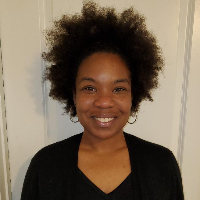
Pamela Peoples
LCSW
Experienced LCSW helping with anxiety and life changes
- Stress, Anxiety
- Self esteem
- Depression
North Carolina 16 years in practice
Clinical social work directory
192 therapists list foster care among the things they work with. All offer sessions online, and every profile shows the registering body, the membership number and when it runs to.
On this page you'll find therapists in North Carolina who list foster care among their specialties. Browse the listings below to compare focus areas, approaches, languages, and professional credentials to find a good match.
LCSW
Experienced LCSW helping with anxiety and life changes
LCMHC
Experienced counselor for life transitions
LCMHC
Practical, values-focused counseling for adults
LCSW
Practical, goal-focused therapy for moving forward
LCSW
Practical, strengths-based therapy for everyday struggles
LCMHC
Somatic-informed counselor focused on practical change
LMFT
Compassionate relational therapy for practical change
LCSW, LISW-CP
Calm, practical therapy for life transitions
LCMHC
Compassionate counselor for stress and relationships
LCSW, LCSW-R
Experienced LCSW helping people manage stress and loss
LCSW, LISW-CP
Faith-informed social worker focused on healing
LCSW
Compassionate, practical therapy for everyday struggles
Practical, person-focused therapy for life changes
LCMHC
Hopeful, practical therapy for daily life
LCSW
Mindful acceptance and practical skills for change
Focused practical therapy for life’s hard moments
Practical, person-focused therapy with experience
LCSW
Helping people recover, rebuild, and move forward
LCMHC
Practical support for relationship and life challenges
LCSW
Practical, supportive therapy for life’s challenges
LCSW
Compassionate client-centered therapy for everyday struggles
LCSW
Practical, compassionate therapy for stress and trauma
LCMHC
Collaborative counselor focused on practical growth
LCSW
Experienced LCSW focused on strengths-based care
LCSW
Practical, goal-focused therapy with an encouraging approach
Calm, practical support for life’s challenges
LCSW
Compassionate, practical therapy for everyday life
LMFT
Calm, practical therapy focused on real-life change
LCSW
Helping people build steady, practical coping skills
LCMHC
Compassionate counselor focused on practical change
LMFT
Practical, relationship-focused therapy for adults
LCMHC
Compassionate counselor focused on real-life change
LCSW
Practical therapy focused on everyday strengths
Practical, values-focused therapy for daily life
LISW-CP, LCSW
Therapist who blends listening with practical tools
LCSW
Warm, practical therapy focused on real-life change
LPC, LCMHC
Practical, experienced counselor for stress and addiction
LCMHC
Counselor focused on practical coping skills
LCMHC
Compassionate counselor focused on practical change
LCMHC, LMFT
Steady, experienced counselor for life transitions
Some links on this page are partner links. We will earn a commission if you sign up through one, at no cost to you. It does not change what you pay or the order of the listings.
Foster care is a system designed to provide temporary homes for children and teens who cannot live safely with their birth families. People involved with foster care include children and adolescents, birth parents, foster parents, relative caregivers, and extended family members. Each person carries a different set of experiences - from sudden moves and separation to feelings of loss, identity questions, and adjustments to new rules and relationships. The experience can be especially complex because it often mixes practical upheaval with emotional and developmental needs.
For young people, foster care can influence attachment, school performance, social relationships, and behavior. You may notice changes in mood, difficulties trusting adults, or struggles with concentration and impulse control. For caregivers, the day-to-day realities can bring stress, grief, and coaching challenges as you try to balance routines, legal processes, and emotional support. Birth parents and families may face guilt, anger, and a complicated process of reunification or alternate planning. The impact is rarely limited to one domain of life - it tends to ripple through relationships, schooling, legal matters, and future planning.
If you are wondering whether therapy could help, look for patterns that are persistent or make daily life harder. You might find that a child is acting out more than peers, withdrawing from friends, having trouble sleeping, or experiencing frequent intense meltdowns. Emotional numbing, sudden fear around separation, or clinginess with caregivers can also be indicators that additional support would be beneficial. For older youth, you may notice difficulties with identity, trust, or risky behavior that feel connected to past losses or moves.
Caregivers can experience their own signs that therapy might be useful. You may feel overwhelmed by behavioral challenges, unsure how to respond to trauma-related triggers, or constantly worried about legal or reunification steps. If conflict with a child escalates regularly, or if you find that you are burning out and struggling to maintain patience and consistency, those are reasonable reasons to seek professional help. Therapy can also be helpful if you want guided support around parenting strategies, navigating the foster care system, or preparing for transitions.
The first sessions often focus on building trust and understanding your story. A therapist will usually ask about the child’s history, recent events, school and social life, and what caregivers have tried so far. You can expect a conversation about goals - whether those goals are emotional regulation, improving relationships, handling transitions, or preparing for reunification. The clinician may gather information from multiple sources, such as caregivers, teachers, and legal guardians, with your consent, to create a fuller picture.
As therapy continues, work is typically paced to match your readiness and safety. Sessions may include a combination of skill-building, processing past experiences, and practicing new ways of relating. For children, therapy can involve play, art, or developmentally appropriate interventions that help express feelings and build coping skills. For older youth and adults, talk therapy, narrative work, and practical problem solving may take a larger role. Caregiver-focused sessions often emphasize behavior strategies, communication techniques, and ways to support attachment and stability at home.
Therapists often draw from several approaches when working with foster care-related concerns. You may find clinicians who list trauma-focused cognitive behavioral therapy among their approaches, which focuses on identifying and changing thought patterns and behaviors that get in the way of well-being. Some therapists list EMDR among their approaches, which is used by some clinicians to address distressing memories and reactions. Family therapy approaches are commonly listed as well, because foster care often involves multiple caregivers and family systems that need coordinated support.
Attachment-informed approaches are frequently referenced when the focus is on relationships and trust. These approaches pay attention to the ways early relationships shape current interactions and help you and the child develop more supported ways of connecting. Therapists who list strength-based or resilience-focused approaches emphasize building on what is already working and identifying practical supports. You may also see approaches that integrate play, expressive arts, or behavioral strategies tailored for children and adolescents. When reviewing listings, note which approaches are emphasized and think about how they line up with your goals and comfort level.
Online therapy can be a practical option for many people navigating foster care, especially when scheduling, transportation, or regional therapist supply are challenges. Sessions typically take place through video calls, phone calls, or messaging platforms, allowing you to meet with a clinician from home or another place where you feel comfortable. Some people find that remote sessions make it easier to include multiple participants in the same meeting - for example, a foster parent and a caseworker - while others appreciate the privacy of one-on-one conversations from their own space.
When using online therapy for foster care, you should plan for a consistent, quiet place where the person receiving therapy can talk without frequent interruption. Technology checks and clear communication about how to handle emergencies or scheduling are part of setting up remote care. Online sessions can include the same kinds of therapeutic tools used in person, such as talk therapy, skills training, and parental coaching. If in-person meetings are needed for assessments or certain interventions, many clinicians will discuss how to coordinate that with local services.
Start by clarifying what you want to accomplish in therapy. Are you seeking help with behavioral strategies, trauma processing, attachment building, or system navigation related to court and social service processes? Once you know your priorities, look for therapists who list foster care or related specialties and whose stated approaches align with your goals. Pay attention to experience with the age group you are supporting and any language or cultural competencies that matter to your household.
Consider how you prefer to engage - some people want an approach that is hands-on and directive, while others seek a reflective, exploratory style. Read clinician profiles for indications of the kinds of issues they highlight, and note whether they mention working with caregivers, birth families, or adolescent identity concerns. If online therapy is a factor, look for descriptions that explain how the therapist conducts remote sessions and how they involve caregivers when appropriate. Finally, trust your instincts about fit: a collaborative relationship where you feel heard and respected is central to meaningful progress in foster care work.
Finding the right therapist can take time, but understanding the kinds of approaches and supports available will help you make an informed choice. Use the listings above to compare focus areas, approaches, language skills, and professional credentials so you can find a clinician whose way of working matches your needs and the needs of the child or family involved.