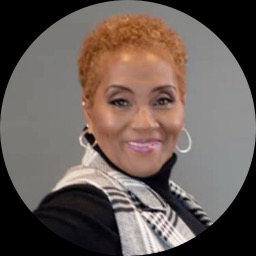
Pamela Peoples
LCSW
Experienced LCSW helping with anxiety and life changes
- Relationship
- Stress, Anxiety
- Self esteem
North Carolina 16 years in practice
Clinical social work directory
740 therapists list relationship among the things they work with. All offer sessions online, and every profile shows the registering body, the membership number and when it runs to.
On this page you will find therapists who list relationship and couples work among their approaches, serving communities across North Carolina. Browse the listings below to view specialties, approaches, languages, and practice settings to help you identify clinicians who may fit your needs.
LCSW
Experienced LCSW helping with anxiety and life changes
LCMHC
Experienced counselor for life transitions
LPC, LCPC
Experienced counselor focused on practical change
LCMHC
Compassionate, practical counseling for everyday struggles
LCMHC
Clear, practical support for stress and relationships
LCMHC
Practical, respectful support for real-life struggles
LCSW
Practical strategies for stress and relationships
LCMHC
Practical, values-focused counseling for adults
LCMHC
Practical, culturally aware counseling for everyday struggles
LCSW
Practical, goal-focused therapy for moving forward
LMFT
Compassionate, practical therapy for relationships and parenting
LPC, LCMHC
Compassionate counselor for stress and recovery
LCSW, CSW
Experienced LCSW helping people navigate change
LCSW
Practical, strengths-based therapy for everyday struggles
LCMHC
Experienced counselor focused on relationships and change
LCMHC, LPC
Practical, faith-informed therapy for stress and grief
LCMHC
Practical strategies for stress and relationships
LCMHC
Somatic-informed counselor focused on practical change
LCMHC
Practical support for stress and relationships
LCSW
Compassionate, practical support for recovery
LMFT
Compassionate, practical support for relationship and anxiety concerns
LCMHC
Practical, values-focused counseling for everyday life
LCSW
Practical trauma-informed support for daily life
LCSW
Empathetic LCSW helping people find practical progress
LPC, LCPC
Experienced person-centered counselor
LCSW, LISW-CP
Faith-aware counselor for stress and addiction
LMFT
Compassionate relational therapy for practical change
LCSW
Practical, goal-focused therapy for everyday challenges
LCMHC
Compassionate counselor for life transitions
LCMHC
Calm, practical therapy for life changes
LCSW
Practical, person-centered care for life changes
LCSW
Compassionate, practical support for life’s challenges
LCSW, LISW-CP
Calm, practical therapy for life transitions
LCMHC
Practical, goal-focused counseling for life changes
LCMHC
Compassionate counselor for stress and relationships
LCSW
Compassionate, practical therapy for life challenges
LCMHC
Experienced counselor focused on practical support
Some links on this page are partner links. We will earn a commission if you sign up through one, at no cost to you. It does not change what you pay or the order of the listings.
Relationship therapy refers to therapeutic work focused on the patterns, interactions, and emotional connections between people who share a bond. That bond can be romantic partners, co-parents, family members, or long-term roommates. In many cases the presenting issue is not a single event but a pattern of interactions - repeated arguments about the same topics, growing distance, mismatched expectations, or difficulty communicating feelings in a way that feels heard. Over time those patterns can affect your daily mood, your sleep, your ability to make joint decisions, and how you relate to other people outside the relationship.
When you come to relationship-focused therapy you and a therapist will look at how you and the other person influence each other’s behavior, emotion, and meaning-making. Therapy often shifts attention from assigning blame to understanding the cycle that keeps problems alive. That shift helps you learn different ways to respond under stress, to express needs without escalating conflict, and to rebuild trust when it has been damaged. Relationship work also addresses transitions - such as becoming parents, relocating, or changes in work life - that can expose weak spots in how you relate.
You may be considering relationship therapy if you notice persistent conflict that feels impossible to resolve, if conversations quickly turn into accusations, or if you and your partner avoid difficult topics to keep peace. Another common sign is emotional disconnection - when you or the other person feel lonely despite living together or being in regular contact. Repeated cycles of apology and relapse, patterns of withdrawal when the other person pursues, or a persistent feeling that your needs are not being met are also indicators that outside help could be useful.
Arguments about money, intimacy, boundaries, parenting, or extended family can point to underlying themes that a therapist can help you explore. You might also seek relationship work when trust has been damaged, whether through infidelity, secrecy, or other breaches of commitment. Even if the relationship is not romantic, chronic resentment or role confusion within families or among co-parents can leave you feeling stressed, anxious, or unable to focus on other areas of life. If the way you relate to someone is reducing your quality of life, that is a practical reason to learn new interaction skills and change the pattern.
In early sessions a therapist typically asks questions about the history of the relationship, patterns of interaction, and your goals. You and the therapist will talk about what each person hopes to achieve and may set concrete goals such as improving communication, restoring trust, or making decisions about the relationship’s future. The therapist will usually explore how conflict starts and escalates in your interactions, helping you observe triggers and automatic responses you may not notice in the moment.
Sessions often include structured exercises to practice new ways of speaking and listening. You may be guided to slow down a conversation to notice emotion, to reflect back what you heard, or to express a request rather than a criticism. Some therapists work with both partners together while also offering occasional individual time to clarify personal concerns. Homework between sessions commonly reinforces skills learned in therapy so you can try new behaviors in everyday situations and bring back observations for discussion. A transparent conversation about privacy practices, session length, fees, and methods of communication helps set expectations so you know how the work will proceed.
Relationship therapists draw on a range of approaches to address interaction patterns, emotion regulation, and underlying attachment themes. You will find therapists who list emotionally focused therapy among their approaches - this work focuses on helping partners identify and express underlying emotions and needs in a way that invites connection rather than defensiveness. Other clinicians list cognitive-behavioral approaches, which help you examine the thoughts and assumptions that fuel conflict and replace unhelpful patterns with new skills.
Systems-oriented approaches are common in relationship work because they attend to the ways roles, rules, and family history shape interactions. Therapists who list family systems perspectives among their approaches look at the larger relational network to understand recurring patterns. Skills-based models, including communication training and conflict resolution techniques, are often used in combination with approaches that explore attachment and emotion. You may also encounter therapists who list narrative, solution-focused, or integrative approaches among their methods, each offering different lenses for making meaning of your relationship and finding practical steps forward.
The approaches a therapist lists give you clues about how they frame relationship problems - whether they emphasize emotions and attachment, behavior change, or larger family patterns. Reading therapist profiles for the approaches they mention can help you choose someone whose style aligns with your expectations. Keep in mind that listings do not certify skills or guarantee outcomes; they describe orientation and the tools the therapist may draw on in sessions.
Online therapy for relationship work typically uses video calls, phone sessions, and text-based messaging to create a one-on-one or joint session experience. Video sessions let you use the visual cues that matter in relational work - facial expression, tone, and pacing - while allowing partners who live apart or have busy schedules to meet without travel. Therapists often set guidelines for how to manage joint video sessions, including where each person sits, how to take turns speaking, and how to pause the conversation if emotions escalate. Online formats also make it easier to include extended family members or geographically separated partners when appropriate.
Before starting online therapy you will want to ensure you have a stable internet connection and a quiet space where you can talk without interruption. Discuss with the therapist how technology glitches will be handled, how sessions will be scheduled, and what to do in case of emergency. Transparency about session length, fees, and communication channels helps you focus on the therapeutic work. If you need in-person support at times, look for therapists who list both remote and in-person practice options in their profiles.
When selecting a therapist, pay attention to the specialties and approaches listed in profiles and read descriptions to see whether they align with your goals. Note the populations the therapist lists - for example, couples, unmarried partners, blended families, LGBTQ+ relationships, or co-parenting arrangements - to find someone with experience relevant to your situation. Consider language preferences and whether cultural or faith-related perspectives matter to you, and look for therapists who mention those areas among their focus. If you want skills-based work, seek clinicians who list communication training or conflict resolution among their approaches. If you are interested in exploring deeper emotional patterns, look for therapists who list attachment-focused or emotion-oriented approaches.
Finally, trust your response to a therapist’s description. The right match often comes down to whether you feel understood by the therapist’s approach and tone. You can use the information in listings to narrow choices based on specialties, approaches, and practice settings, then reach out to ask any logistical questions you have before beginning sessions. Choosing a therapist is a personal decision - taking time to match your expectations with what therapists list in their profiles helps you find a better fit for the work you want to do.