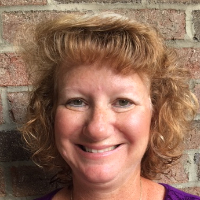
Stephanie Bigham, LCSW
North Carolina · 20 years in practice
Stephanie Bigham uses mindfulness and acceptance-based cognitive behavioral approaches to guide people toward clearer thinking and steadier emotional footing.
License and registration
- LCSW, North Carolina
- C005409 · expires August 2026
- NPI
- 1942851811 · national provider identifier
- Years in practice
- 20
- Languages
- English
Details are as listed on the therapist's public professional profile. You can check the license with the issuing state board, and the NPI with the national registry.
About Stephanie
Stephanie Bigham uses mindfulness and acceptance-based cognitive behavioral approaches to guide people toward clearer thinking and steadier emotional footing. She is a Licensed Clinical Social Worker and brings two decades of experience to her practice in North Carolina. Stephanie writes simply and asks clients to take an active role in the work.
She often suggests small tasks between sessions so progress can continue between meetings. She encourages people to notice thoughts, feelings, and patterns without harsh judgment.
Background and approach
That awareness can reduce anxiety, lift mood, and make difficult conversations easier to handle. The work combines practical skills with short lessons about how thoughts influence behavior. Stephanie's background is broad.
Her career has included mental health clinics, hospital work in a neonatal intensive care setting, respite programs, classroom and substitute teaching, and independent practice. She also has experience as a full-time parent, which she draws on when supporting people with parenting and family stress.
Her common focus areas include stress and anxiety, depression and grief, family and relationship conflicts, parenting concerns, career issues, and self-confidence. She also helps with trauma, intimacy-related problems, sleep issues, anger, ADHD, and mood disorders. Sessions are collaborative and educational.
Stephanie aims to help clients build skills they can use day to day, and she frames challenges as problems with multiple possible solutions rather than single fixed answers.
Focus areas and approaches
Everything Stephanie lists on their public professional profile, in their own terms.
- Stress, Anxiety
- Relationship issues
- Family conflicts
- Parenting issues
- Self esteem
- LGBT
- Trauma and abuse
- Grief
- Intimacy-related issues
- Sleeping disorders
- Anger management
- Career difficulties
- Bipolar disorder
- Depression
- Coping with life changes
- Coaching
- ADHD
- Adoption and foster care
- Blended family issues
- Caregiver issues and stress
- Communication problems
- Control issues
- Coping with natural or human-caused disaster
- Divorce and separation
- Family problems
- First responder issues
- Forgiveness
- Guilt and shame
- Infidelity
- Isolation / loneliness
- Life purpose
- Mood disorders
- Panic disorder and panic attacks
- Pregnancy and childbirth
- Seasonal Affective Disorder (SAD)
- Self-love
- Workplace issues
- Young adult issues
Approaches Stephanie names
- Acceptance and Commitment Therapy (ACT)
- Cognitive Behavioral Therapy (CBT)
- Dialectical Behavior Therapy (DBT)
- Mindfulness Therapy
- Narrative Therapy
- Solution-Focused Therapy
Naming an approach is not evidence of training in it. This directory copies what each therapist lists and does not check training records.
Online support
Using mindful and behavioral tools in online therapy
Acceptance and Commitment Therapy (ACT) helps people notice their values and commit to small steps that match those values. It focuses on accepting hard feelings while moving toward what matters, which can be useful for anxiety, grief, and life changes. Cognitive Behavioral Therapy (CBT) focuses on spotting unhelpful thoughts and testing them with real-world experiments. That approach helps with depression, mood problems, sleep issues, and managing stress. Dialectical Behavior Therapy (DBT) brings attention to emotion regulation and practical skills for handling intense feelings and improving communication.Finding the right approach is part of the process. The therapist works collaboratively with each person to choose methods that fit their goals and preferences. Together they try techniques, track what helps, and adjust the plan over time based on what works.
Online therapy offers flexibility through video calls, phone sessions, live chat, and text-based messaging. Video is useful for deeper conversational work and skill practice. Phone sessions can be easier when a call fits a short break or when bandwidth is limited. Live chat and messaging let people check in more often or use brief coaching between scheduled sessions. These options make it easier to fit therapy around work, family, and daily life while using the same therapeutic approaches available in person.
We will earn a commission if you sign up through our link, at no cost to you. It does not change what you pay or the order of the listings.
Questions people ask
What kinds of concerns does this therapist address?
Areas of focus include stress, anxiety, depression, grief, family and relationship problems, parenting challenges, career difficulties, ADHD, trauma, and intimacy-related issues.
What is the therapeutic style like?
The style blends mindfulness and acceptance with cognitive behavioral techniques and narrative elements. Sessions emphasize noticing thoughts and patterns, learning coping skills, and trying short exercises between meetings.
How much experience does the therapist have?
The clinician has 20 years of experience across settings such as mental health clinics, hospital NICU work, respite programs, classrooms, and independent practice.
What credentials and location are listed?
The therapist is a Licensed Clinical Social Worker (LCSW) licensed in North Carolina.
Are sessions offered in other languages or for international clients?
Sessions are offered in English. International clients are not currently accepted.
What formats are available for sessions?
Sessions can be held by video call, phone, live chat, or text-based messaging to fit different schedules and preferences.
How is cost handled for sessions?
Cost varies by location and therapist availability and uses a subscription model that can be canceled at any time.
How do I begin therapy with this clinician?
Start by selecting the Start Therapy button, complete a short matching questionnaire, and then schedule sessions according to the therapist's availability.
More therapists in North Carolina
See allPamela Peoples
LCSW
Experienced LCSW helping with anxiety and life changes
- Stress, Anxiety
- Self esteem
- Depression
Dr. James Hunter Jr
LCMHC
Experienced counselor for life transitions
- Stress, Anxiety
- Depression
- Relationship


Dr. Kendra Corning
NC Psychologist
Compassionate psychologist guiding real-life change
- Stress, Anxiety
- Trauma and abuse
- Grief

Is this your profile?
Ask us to correct details or take the page down.
Contact us