North Carolina 21 years in practice
Clinical social work directory
Therapists who work with Eating Disorders
142 therapists list eating disorders among the things they work with. All offer sessions online, and every profile shows the registering body, the membership number and when it runs to.
This directory page highlights therapists in North Carolina who list eating disorders among their specialties, with profile details on approaches, credentials, languages and focus areas. Browse the listings below to learn about individual therapists and begin your search for the right fit.
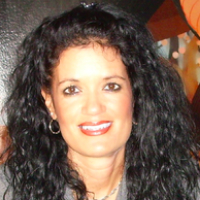
James Dion
LCMHC
Helping people deal with stress and life changes
- Stress, Anxiety
- Family
- Trauma and abuse
North Carolina 5 years in practice

Faith Beaulieu
LCMHC
Somatic-informed counselor focused on practical change
- Stress, Anxiety
- LGBT
- Relationship
North Carolina 10 years in practice

Janet Stone-Nielsen
LCSW
Practical trauma-informed support for daily life
- Stress, Anxiety
- Relationship
- Family
North Carolina 24 years in practice

Dr. Shelia Williamson Collins
LPC, LCPC
Experienced person-centered counselor
- Stress, Anxiety
- Addictions
- Trauma and abuse
Illinois 18 years in practice

Mary Kallenbach
LCMHC
Experienced counselor focused on practical support
- Stress, Anxiety
- Relationship
- Trauma and abuse
North Carolina 23 years in practice

Anne Douglas
LMFT
Experienced LMFT focused on relationships and life change
- Stress, Anxiety
- Relationship
- Family
Illinois 25 years in practice

Stephen Richardson
LCSW, LISW-CP
Faith-informed social worker focused on healing
- Stress, Anxiety
- Relationship
- Family
North Carolina 10 years in practice

Carol Kennerly
LCMHC
Compassionate counselor who focuses on strengths
- Stress, Anxiety
- Relationship
- Trauma and abuse
North Carolina 11 years in practice

Monique Goodson-Johnson
LCMHC
Hopeful, practical therapy for daily life
- Stress, Anxiety
- Addictions
- Relationship
North Carolina 17 years in practice

Dr. John Allmond
NC Psychologist
Practical, goal-focused therapy in North Carolina
- Stress, Anxiety
- Trauma and abuse
- Intimacy-related issues
North Carolina 15 years in practice

North Carolina 18 years in practice

North Carolina 6 years in practice

Gail Courtright
LCMHC
Supportive counselor for life transitions
- Stress, Anxiety
- Addictions
- Self esteem
North Carolina 21 years in practice

Monique Parr
LCMHC
Collaborative counselor focused on practical growth
- LGBT
- Trauma and abuse
- Self esteem
North Carolina 6 years in practice

North Carolina 10 years in practice

Arielle Karoub
LCMHC
Practical, collaborative support for anxiety and relationships
- Stress, Anxiety
- LGBT
- Trauma and abuse
North Carolina 3 years in practice

Stephanie Freeman
LCSW
Practical therapy for stress and addiction recovery
- Stress, Anxiety
- Addictions
- Family
North Carolina 10 years in practice

Jennifer Covington
LCSW
Compassionate, practical therapy for everyday life
- Stress, Anxiety
- Addictions
- LGBT
North Carolina 13 years in practice

Milliann Abrams
LMFT
Calm, practical therapy focused on real-life change
- Stress, Anxiety
- Relationship
- Family
North Carolina 13 years in practice

Majesty Purvis
LCMHC
Practical support for stress, anxiety, and life change
- Stress, Anxiety
- Trauma and abuse
- Self esteem
North Carolina 5 years in practice

Compassionate counselor focused on practical change
- Stress, Anxiety
- Addictions
- Relationship
Colorado 14 years in practice

North Carolina 10 years in practice

Practical, values-focused therapy for daily life
- Stress, Anxiety
- LGBT
- Family
South Carolina 16 years in practice

Dr. Alexandra Duffy
CA Psychologist, NC Psychologist
Practical, skills-based therapy for mood and attention
- Stress, Anxiety
- Self esteem
- Bipolar
North Carolina 15 years in practice

Amelia Miller
NC Psychologist
Calm, practical therapy for tough life challenges
- Stress, Anxiety
- Relationship
- Trauma and abuse
North Carolina 6 years in practice

Laura Smith
LCMHC
Practical, compassionate therapy for everyday struggles
- Stress, Anxiety
- Trauma and abuse
- Self esteem
North Carolina 8 years in practice

Cheryl Hann
LPC, LCMHC
Compassionate counseling focused on practical change
- Stress, Anxiety
- Self esteem
- Career
North Carolina 10 years in practice

Shauna Jones
LCSW
Warm, practical therapy focused on real-life change
- Stress, Anxiety
- Relationship
- Family
North Carolina 10 years in practice

James Johnson
LCMHC
Counselor focused on practical coping skills
- Stress, Anxiety
- Addictions
- Relationship
North Carolina 13 years in practice

Beverly Hicks
LCMHC, LMFT
Steady, experienced counselor for life transitions
- Stress, Anxiety
- Coping with life changes
- Addictions
Texas 30 years in practice

Jeff (Jeffery) Thompson
LCMHC
Experienced counselor focused on practical change
- Stress, Anxiety
- Relationship
- Trauma and abuse
North Carolina 20 years in practice

North Carolina 34 years in practice
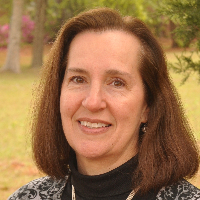
Katilyn Penrod
LMFT
Compassionate support for recovery and relationships
- Addictions
- Family
- Trauma and abuse
North Carolina 3 years in practice

Lindsey Hancock
LCSW
Compassionate, practical therapy for stress and trauma
- Stress, Anxiety
- LGBT
- Relationship
North Carolina 4 years in practice

North Carolina 7 years in practice

Russell Goodwin
LCMHC
Helping adults set clear goals and move forward
- Stress, Anxiety
- Self esteem
- Career
North Carolina 10 years in practice

Elizabeth "Libby" Burris
LPC, LCMHC
Therapist focused on practical support
- Stress, Anxiety
- Trauma and abuse
- Anger
Pennsylvania 12 years in practice

Allison Chapple
LCMHC
Practical, compassionate counseling for everyday struggles
- Stress, Anxiety
- Eating
- Self esteem
North Carolina 15 years in practice

Cora Strickland
LCMHC
Compassionate, practical therapy for everyday challenges
- Stress, Anxiety
- Family
- Trauma and abuse
North Carolina 20 years in practice
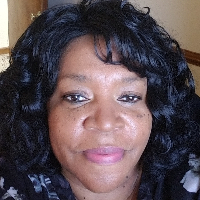
North Carolina 4 years in practice

Fquira Johannes
LCSW
Practical support for steady mental health progress
- Stress, Anxiety
- Addictions
- Family
North Carolina 20 years in practice
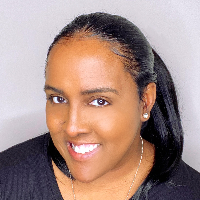
Dabney Hayes
LPCC, LPC
Practical, compassionate counseling for everyday struggles
- Stress, Anxiety
- Family
- Trauma and abuse
North Carolina 14 years in practice

Amy Oxendine
LCSW
Compassionate, practical therapy for life's challenges
- Stress, Anxiety
- Relationship
- Family
North Carolina 7 years in practice

Alice McCarter
LICSW, LCSW
Experienced social worker focused on practical support
- Stress, Anxiety
- Relationship
- Self esteem
Massachusetts 22 years in practice

Sarah Ansari
LCSW
Compassionate practical therapy for everyday struggles
- Stress, Anxiety
- Trauma and abuse
- Self esteem
North Carolina 7 years in practice

North Carolina 20 years in practice

Compassionate, practical support for everyday challenges
- Stress, Anxiety
- Relationship
- Trauma and abuse
North Carolina 10 years in practice

Some links on this page are partner links. We will earn a commission if you sign up through one, at no cost to you. It does not change what you pay or the order of the listings.
Understanding eating disorders and how they can affect you
Eating disorders are complex conditions that involve ongoing difficulties with eating, body image and relationships to food. They can include restrictive patterns, binge eating, compensatory behaviors and preoccupation with weight or shape. These patterns often develop alongside emotional stress, trauma, mood concerns or pressures related to identity, culture and social expectations. Because eating concerns touch both physical behavior and emotional life, they can change the way you function at home, work or school and affect your social connections.
The experience of an eating disorder varies widely. Some people have recognizable cycles of restriction and bingeing, while others maintain what seems like normal eating on the surface but feel intense anxiety or control needs around food. For many, eating difficulties coexist with anxiety, depression, obsessive thinking, or difficulties with impulse control. You may notice physical signs such as energy changes or gastrointestinal discomfort, but often the most persistent indicators are shifts in mood, avoidance of social meals, or a sense that food thoughts take up too much of your time and attention. Recognizing that these patterns have emotional and behavioral roots can make it easier to consider therapy as a step toward more balanced daily life.
Signs you might benefit from therapy for an eating disorder
If you are wondering whether to talk with a professional, several common signs suggest that therapy could be helpful. You may find yourself preoccupied with calories, weight or body image to the point that it interferes with work, relationships or day-to-day responsibilities. You might avoid social situations that involve food, experience frequent mood swings tied to eating episodes, or use extreme dieting, purging, laxatives or overexercise as a response to distress. Some people realize that food behaviors are being used to manage emotions such as shame, guilt, anger or numbness, and that the behaviors are leaving them feeling trapped.
Another sign that therapy could help is when you have tried to change eating habits on your own without lasting success, or when weight-focused approaches alone feel insufficient because the emotional drivers remain. Family members and friends may also observe worrying patterns, such as secrecy around meals or noticeable changes in clothing or routines. If physical health concerns arise alongside eating behaviors, or if your daily functioning is impacted, these are additional reasons to explore professional support. Therapy creates space to address both eating-related behaviors and the emotional patterns that feed them.
What to expect in therapy sessions focused on eating disorders
When you enter therapy for eating concerns, the initial sessions often focus on getting a clear picture of your history, current eating patterns and the context around them. A therapist will typically ask about your relationship to food and body image, your emotional life, and any medical or nutritional factors that are relevant. Intake conversations also help establish goals that feel meaningful to you, whether you are aiming to reduce harmful behaviors, rebuild regular eating, improve mood, or restore social and occupational functioning.
Therapy sessions themselves tend to blend practical planning with emotional exploration. You can expect to work on skills for managing urges, coping with distressing emotions, and challenging unhelpful thoughts about food and self-worth. Sessions may involve tracking patterns between mood and behavior, experimenting with new meal routines, and practicing more flexible thinking around body image. Many people appreciate a collaborative approach in which you and your therapist set weekly goals, review what worked and what did not, and adjust strategies over time. Family involvement can be part of the process when it is relevant to your situation, especially for adolescents or when family dynamics play a large role in eating behaviors.
Common therapeutic approaches used for eating disorders
There are several therapeutic approaches that therapists may list when working with eating concerns, and each approach offers a different set of skills and perspectives. You may find therapists who list cognitive behavioral therapy - often focused on identifying and changing unhelpful thoughts and habits - as an approach they use. Dialectical behavior therapy elements can appear in work that targets emotional regulation, distress tolerance and interpersonal effectiveness. Some professionals use acceptance-based or mindfulness-informed techniques to help you cultivate a different relationship to cravings and body-related thoughts.
Family-based approaches are often mentioned for younger clients, and these approaches center on involving family members in rebuilding healthy eating routines and supporting recovery. Other therapists might list narrative or psychodynamic approaches that explore underlying emotional patterns, trauma history, or identity questions that contribute to eating behaviors. You may also find clinicians who list EMDR among their approaches; in such cases it is appropriate to understand that EMDR is one of the methods they note using rather than an assertion of specific credentials. Because therapists can combine perspectives, you might work with someone who blends behavioral strategies, nutritional collaboration and emotional processing to address both immediate behaviors and longer-term patterns.
How online therapy works for eating disorder support
Online therapy has become an accessible option for many people seeking help for eating concerns. In an online session, you connect with a therapist through video or, in some cases, phone or messaging formats, which lets you meet from a familiar environment in your home or another safe setting. Online formats can make it easier to maintain continuity of care if travel, mobility or scheduling challenges are present, and they can broaden your choices by allowing you to work with therapists across different parts of North Carolina. Therapy tasks such as tracking meals, completing exposure experiments or practicing mindful eating can be adapted to remote work.
When you choose an online therapist, practical considerations matter. Think about the technology that feels comfortable to you, whether you prefer video or an audio-only format, and how you will handle interruptions. You may also want to discuss how the therapist coordinates with medical or nutritional professionals when needed, and how urgent situations would be handled. Many therapists describe the ways they preserve privacy and handle records, and they can explain how sessions are conducted and what you can expect during a remote appointment. If you have concerns about physical monitoring or specific health needs, ask about how those needs are typically addressed in coordinated care with medical providers.
Tips for choosing the right therapist for eating disorders
Choosing a therapist is a personal decision that depends on the fit between you and the clinician. Start by identifying what matters most to you - for example, whether you want a therapist who emphasizes behavioral strategies, one who brings family involvement into the work, or someone experienced in addressing trauma or co-occurring mood concerns. Look at therapist profiles to see which approaches they list, languages they speak, and any notes about populations they commonly work with. Keep in mind that a therapist listing an approach does not necessarily speak to specific certifications; rather, the profile gives you a sense of their orientation and interests.
Consider practical match factors such as geographic licensure if you plan for in-person sessions at any time, or how a clinician handles coordination with medical and nutrition providers. It can help to read short biographies to get a sense of a therapist's style and to look for language that resonates with your values and goals. When you contact a therapist with initial questions, focus on how they describe their typical work with eating concerns, whether they include family or medical collaboration when appropriate, and how they approach goal-setting. Trust your impressions - a clinician who communicates clearly about process and who listens to your goals tends to be easier to work with over time. Finally, remember that therapy is a process; it is reasonable to change direction or to seek a different perspective if your needs evolve.
Moving forward
If you are considering therapy for eating difficulties, taking the first step can feel both hopeful and challenging. Use the listings on this page to explore therapists who note eating disorders in their profiles, review the approaches and focus areas that matter to you, and reach out to learn more about how a clinician describes their work. With thoughtful matching and collaboration, therapy can help you build more flexible eating patterns, reduce the hold that food thoughts have on your life, and support broader emotional and relational goals.
Keep exploring
Related concerns
Ways of working