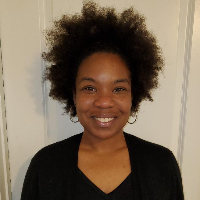
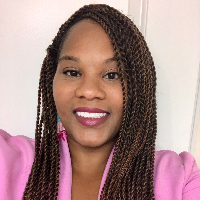
Dr. Kendra Corning
NC Psychologist
Compassionate psychologist guiding real-life change
- Stress, Anxiety
- Trauma and abuse
- Grief
North Carolina 12 years in practice
Clinical social work directory
262 therapists list Dialectical Behavior Therapy (DBT) among the ways they work. Naming an approach is not evidence of training in it, so ask directly how they use it.
Dialectical Behavior Therapy (DBT) is a structured, skills-focused approach that helps people build emotion regulation, distress tolerance, and interpersonal effectiveness. Browse the therapists below who list DBT among their approaches to explore profiles that match your needs.
NC Psychologist
Compassionate psychologist guiding real-life change
LCMHC
Practical, respectful support for real-life struggles
LCSW
Practical, supportive therapy for emotional healing
LCSW
Practical strategies for stress and relationships
LMFT
Compassionate, practical therapy for relationships and parenting
LPC, LCMHC
Practical, skills-focused counseling for everyday strain
LCMHC
Practical strategies for stress and relationships
LMFT
Compassionate, practical support for relationship and anxiety concerns
LCSW
Practical, steady support for stress and recovery
LCSW
Empathetic LCSW helping people find practical progress
LPC, LCPC
Experienced person-centered counselor
LCSW, LISW-CP
Faith-aware counselor for stress and addiction
LCMHC
Compassionate counselor for stress and relationships
LCMHC
Experienced counselor focused on practical support
Experienced NC LCSW focused on practical support
LPC, LCMHC
Compassionate counseling focused on practical change
LCSW, LISW-CP
Faith-informed social worker focused on healing
LCSW, LISW-CP
Compassionate, practical support for life's hard moments
Empathetic, practical support for life and relationships
LCSW
Compassionate, practical therapy for real-life struggles
LCMHC
Compassionate, practical counseling for life challenges
Practical counseling for recovery and life change
LMFT
Client-centered therapist focused on practical skills
LCSW
Mindful acceptance and practical skills for change
NC Psychologist
Practical, goal-focused therapy in North Carolina
Focused practical therapy for life’s hard moments
Practical, person-focused therapy with experience
LCSW
Practical, culturally aware therapy for life changes
LCMHC
Practical support for relationship and life challenges
LCMHC
Practical, respectful counseling for complex issues
LPC
Compassionate counseling focused on practical change
LCSW
Compassionate, practical therapy for lasting change
LCMHC
Collaborative counselor focused on practical growth
LCSW
Practical skills for stress, relationships, and healing
LCSW
Experienced LCSW for complex emotional challenges
LCMHC
Practical, collaborative support for anxiety and relationships
LCSW
Practical therapy for stress and addiction recovery
LCSW
Compassionate, practical therapy for everyday life
LCSW
Practical support for stress and relationship struggles
LCSW, LMSW
Practical, respectful therapy for life’s hard moments
LMFT
Calm, practical therapy focused on real-life change
LCMHC
Practical support for stress, anxiety, and life change
Compassionate counselor focused on practical change
Some links on this page are partner links. We will earn a commission if you sign up through one, at no cost to you. It does not change what you pay or the order of the listings.
Dialectical Behavior Therapy grew out of cognitive and behavioral traditions and centers on balancing acceptance and change. At its core, DBT teaches practical skills you can use when emotions feel intense or overwhelming. The approach is organized around a set of core modules - mindfulness, distress tolerance, emotion regulation, and interpersonal effectiveness - each designed to help you respond differently to difficult situations. Mindfulness skills increase your awareness of the present moment so you can make deliberate choices. Distress tolerance offers tools to get through crisis moments without making things worse. Emotion regulation provides ways to reduce emotional vulnerability and change painful emotions, while interpersonal effectiveness addresses communication and boundary-setting when relationships are strained.
DBT emphasizes a collaborative, problem-solving relationship between you and your therapist. Therapists who list DBT among their approaches often combine structured skill teaching with validation - recognizing your experience - while also working toward practical behavior change. The method was designed to be concrete and actionable, so you leave sessions with strategies you can try between meetings and refine over time.
DBT is commonly used for people who struggle with intense emotions, self-harm behaviors, chronic feelings of emptiness, and difficulties maintaining relationships. You might seek DBT if you find that emotions frequently derail your plans, if you act impulsively in ways that cause regret, or if you are working through repeated crises that make daily functioning harder. DBT is also used to address co-occurring issues such as mood instability, trauma-related symptoms, substance use challenges, and patterns of conflict in relationships, though it is not limited to any single diagnosis.
When thinking about whether DBT might be a good fit for you, consider how you respond to strong emotions and whether learning concrete skills would feel helpful. Some people respond well to a structured skills framework and appreciate a focus on practical change paired with acceptance. Others may prefer less skills-focused approaches. If you value a mix of skill building and supportive validation, DBT can be a constructive option to explore with a clinician who lists it among their methods.
DBT care often includes a few moving parts, and what you experience can vary by clinician. Many people take part in individual sessions that focus on applying skills to your most pressing problems and reviewing how skill practice went since the last meeting. In individual sessions, you and your therapist typically set concrete goals for reducing behaviors that create difficulty and for building new coping patterns. Sessions are generally task-oriented, with time spent teaching or rehearsing skills, trouble-shooting obstacles, and planning for the week ahead.
Some DBT-informed programs also include skills training groups where you learn and practice the four core modules with others. Group sessions emphasize learning in a social context and provide opportunities to role-play and receive feedback. A complementary feature in many DBT models is in-the-moment coaching that helps you apply skills when you are struggling between sessions. The exact format and combination of individual, group, and coaching components depend on the therapist’s practice style and the treatment setting, so it is helpful to read profiles and ask questions about structure when you explore options.
DBT shares roots with cognitive-behavioral approaches yet differentiates itself through its explicit focus on dialectics - holding two seemingly opposite truths at once - and its emphasis on skill acquisition. Where some therapies concentrate mostly on changing thought patterns, DBT blends change strategies with acceptance and validation of your current experience. This dual focus can make DBT particularly useful when emotions are highly charged or when you have found pure cognitive approaches difficult to apply in crisis moments.
Compared with insight-oriented therapies that explore deep patterns over long timeframes, DBT often prioritizes immediate, practical tools you can try right away. That does not mean it ignores underlying life themes; rather, DBT pairs exploration with behavioral practice. Other approaches, such as acceptance-based therapies, overlap with DBT in emphasizing mindfulness and acceptance, but DBT is more structured in its skills curriculum and in the way it organizes treatment goals. When you are choosing among approaches, consider whether you want a skill-based regimen that combines validation with active behavior change or a different emphasis such as exploratory insight or exposure-based work.
When you begin your search, use profiles to compare the ways clinicians describe their work, such as their therapeutic focus areas, credentials, and experience with DBT-informed care. Because the phrase "DBT" on a profile does not indicate a specific credential level, you may want to read how a therapist describes implementing DBT principles in practice, what components they include, and whether they offer individual sessions, group skills training, or coaching between sessions. Consider what format fits your life and learning style - some people thrive with group skills practice, while others prefer one-to-one sessions to process material more privately.
Prepare a few questions to help you evaluate fit. Ask about the structure of sessions, what a typical week might look like, how progress is measured, and how the clinician balances skill teaching with emotional validation. Inquire about their experience working with issues like yours and whether they integrate DBT with other approaches that you find helpful. Language, cultural responsiveness, and professional background are also important. Profiles often list languages spoken and specialty areas, so use those details to narrow your options. Trust your sense of whether a therapist’s style and description resonate with you, and remember that finding the right match can be an active process that takes some time.
As you browse, favor clear descriptions of approach, focus, and session format, and look for clinicians who speak directly to the challenges you want to address. Reach out to introduce yourself and ask specific questions about how they apply DBT principles in their work. Taking these steps can help you find a clinician whose methods and communication style feel like a fit for your goals.