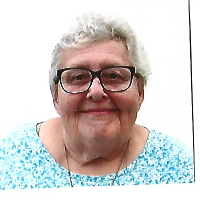
Peggy Fair, LCSW
North Carolina · 40 years in practice
Peggy Fair is a Licensed Clinical Social Worker with 40 years in mental health care.
License and registration
- LCSW, North Carolina
- C000645 · expires July 2026
- NPI
- 1104830942 · national provider identifier
- Years in practice
- 40
- Languages
- English
Details are as listed on the therapist's public professional profile. You can check the license with the issuing state board, and the NPI with the national registry.
About Peggy
Peggy Fair is a Licensed Clinical Social Worker with 40 years in mental health care. She spent early years providing emergency mental health services in Virginia before moving to North Carolina three decades ago. Peggy then worked in inpatient psychiatric settings for 16 years and later supported Marines and Navy servicemembers for 14 years.
She also maintained a part-time independent practice for 23 years, focusing on couples in evening appointments.
Background and approach
Peggy now lives semi-retired in Florida but continues offering clinical support. Peggy focuses on stress, anxiety, trauma and abuse, depression, addictions, grief, and relationship concerns. She also addresses intimacy-related issues, parenting strain, anger, self-esteem, career questions, and coping with life changes.
Additional areas include blended family concerns, caregiver stress, codependency, commitment and control issues, and problems related to divorce and separation. Her approach is practical and goal-oriented. She helps people set clear goals and teaches tools to reach them.
Sessions often include hands-on strategies drawn from several therapeutic methods. Peggy brings long experience from clinical, inpatient, and military settings. That background shapes how she assesses problems and suggests steps forward.
Her practice emphasizes respectful listening and steady guidance. People can expect timely replies to messages; she checks messages several times a day and responds within 24 hours or less. Peggy works with English-speaking clients and accepts international clients through online formats such as video calls, phone, live chat, and text-based messaging.
Focus areas and approaches
Everything Peggy lists on their public professional profile, in their own terms.
- Stress, Anxiety
- Relationship issues
- Family conflicts
- Trauma and abuse
- Depression
- Addictions
- Grief
- Intimacy-related issues
- Parenting issues
- Anger management
- Self esteem
- Career difficulties
- Bipolar disorder
- Coping with life changes
- Blended family issues
- Caregiver issues and stress
- Codependency
- Commitment issues
- Control issues
- Divorce and separation
- Domestic violence
- Family of origin issues
- Family problems
- Fatherhood issues
- First responder issues
- Forgiveness
- Guilt and shame
- Infidelity
- Midlife crisis
- Veteran and Armed Forces Issues
- Mood disorders
- Obsessions, compulsions, and OCD
- Postpartum depression
- Post-traumatic stress
- Self-harm
- Sexual assault and abuse
- Social anxiety and phobia
- Women's issues
- Workplace issues
- Young adult issues
Approaches Peggy names
- Client-Centered Therapy
- Cognitive Behavioral Therapy (CBT)
- Dialectical Behavior Therapy (DBT)
- Mindfulness Therapy
- Solution-Focused Therapy
- Trauma-Focused Therapy
Naming an approach is not evidence of training in it. This directory copies what each therapist lists and does not check training records.
Online support
Approaches that guide online sessions
Client-Centered Therapy focuses on listening and making the therapy plan fit the person. The therapist offers empathy and helps people clarify what they want to change, which is useful for relationship and life transition concerns.Cognitive Behavioral Therapy, or CBT, looks at patterns of thinking and behavior that keep problems going. It uses structured exercises and practical strategies to reduce anxiety, depression, and problematic habits.
Dialectical Behavior Therapy, or DBT, teaches skills for managing intense emotions and improving relationships. It includes techniques for distress tolerance, emotional regulation, and clearer communication.
Finding the right approach is part of the work together. Peggy will discuss your goals, try methods that fit your needs, and adapt techniques based on what helps most. That collaborative process shapes each plan.
Online therapy offers flexible ways to meet. Video calls let you have a face-to-face conversation from wherever you are. Phone sessions are useful when bandwidth is limited or a quick check-in is needed. Live chat and text-based messaging provide shorter, more frequent touchpoints and can fit into busy days. These formats make it easier to keep therapy going around work, family, or travel schedules.
We will earn a commission if you sign up through our link, at no cost to you. It does not change what you pay or the order of the listings.
Questions people ask
What concerns does Peggy commonly address?
She works with stress, anxiety, depression, trauma and abuse, relationship and intimacy issues, addictions, grief, parenting strain, anger, self-esteem, career challenges, bipolar disorder, and coping with life changes.
What is her therapeutic style like?
Her style is practical and client-centered. She helps people set specific goals and teaches tools from different approaches to reach those goals.
What kind of professional background does she have?
Peggy has 40 years in mental health including emergency mental health work, 16 years in inpatient psychiatry, and 14 years treating Marines and Navy servicemembers. She also ran a 23-year part-time independent practice.
Where is she based and licensed?
She lists North Carolina as a main location and holds an LCSW license in North Carolina.
Which languages are supported for sessions?
Sessions are offered in English and she accepts international clients.
What session formats are available?
Therapy can be done via video calls, phone sessions, live chat, or text-based messaging depending on what works best for the person.
How are costs and payments handled?
Cost varies with location and therapist availability; sessions use a subscription that can be canceled at any time.
How do I begin working with her?
Start by selecting the Start Therapy button, complete a short matching questionnaire, and schedule a session according to therapist availability.
More therapists in North Carolina
See allPamela Peoples
LCSW
Experienced LCSW helping with anxiety and life changes
- Stress, Anxiety
- Self esteem
- Depression
Dr. James Hunter Jr
LCMHC
Experienced counselor for life transitions
- Stress, Anxiety
- Depression
- Relationship

Dr. Kendra Corning
NC Psychologist
Compassionate psychologist guiding real-life change
- Stress, Anxiety
- Trauma and abuse
- Grief

Is this your profile?
Ask us to correct details or take the page down.
Contact us