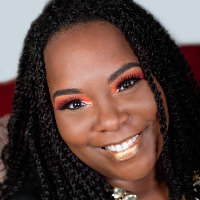
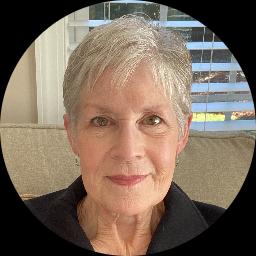
Dr. Kendra Corning
NC Psychologist
Compassionate psychologist guiding real-life change
- Stress, Anxiety
- Trauma and abuse
- Grief
North Carolina 12 years in practice
Clinical social work directory
239 therapists list veterans among the things they work with. All offer sessions online, and every profile shows the registering body, the membership number and when it runs to.
This page lists therapists who work with veterans across North Carolina, including clinicians who note military-related concerns and transition challenges among their specialties. Browse the listings below to review profiles, therapeutic approaches, credentials, languages, and practice locations.
NC Psychologist
Compassionate psychologist guiding real-life change
LCMHC
Practical, respectful support for real-life struggles
LCSW
Practical strategies for stress and relationships
LCMHC
Helping people deal with stress and life changes
LPC, LCMHC
Compassionate counselor for stress and recovery
LCMHC
Somatic-informed counselor focused on practical change
LCMHC
Practical support for stress and relationships
LCSW
Compassionate, practical support for recovery
LCSW
Practical trauma-informed support for daily life
LCMHC
Practical, goal-focused counseling for life changes
LCMHC
Compassionate counselor for stress and relationships
LCSW
Compassionate, practical therapy for life challenges
LMFT
Experienced LMFT focused on relationships and life change
LCSW, LISW-CP
Faith-informed social worker focused on healing
LCSW
Compassionate, practical therapy for everyday struggles
LCSW
Compassionate, practical therapy for real-life struggles
LCMHC
Compassionate counselor who focuses on strengths
Practical, person-focused therapy for life changes
Practical counseling for recovery and life change
LPC, LCMHC
Practical help for anxiety and addiction
Compassionate counselor for mood and trauma
LCSW
Practical, culturally aware therapy for life changes
LCSW
Helping people recover, rebuild, and move forward
LCMHC
Compassionate counselor focused on practical change
LPC, LCMHC
Compassionate, practical counseling for life changes
LPC
Compassionate counseling focused on practical change
LCSW
Compassionate, practical therapy for lasting change
LCMHC
Collaborative counselor focused on practical growth
LCSW
Practical skills for stress, relationships, and healing
LCSW
Experienced LCSW focused on strengths-based care
LCMHC
Practical, strength-based counseling with faith options
LCMHC
Practical, collaborative support for anxiety and relationships
LCSW
Practical, goal-focused therapy with an encouraging approach
LCSW
Compassionate, practical therapy for everyday life
LCSW
Practical support for stress and relationship struggles
LMFT
Calm, practical therapy focused on real-life change
Compassionate counselor focused on practical change
LCSW
Helping people build steady, practical coping skills
LMFT
Practical, relationship-focused therapy for adults
LCMHC
Compassionate counselor focused on real-life change
LISW-CP, LCSW
Practical, steady support for life’s hard moments
Some links on this page are partner links. We will earn a commission if you sign up through one, at no cost to you. It does not change what you pay or the order of the listings.
When a therapist lists veterans as a specialty, they are signaling that they frequently work with people whose lives have been shaped by military service. That can include recent veterans completing their transition to civilian life, career service members, National Guard and reserve members, and family members who have been directly affected by someone’s service. Military experience can influence identity, daily routines, relationships, career paths, and how you respond to stress. You may find that the language, rhythm, and expectations of military life continue to shape your habits and priorities even after you leave service.
The impacts that bring people to therapy are varied. Some people want help processing challenging memories or experiences from deployment. Others seek support with reintegration, managing shifts in purpose, rebuilding social networks, or navigating benefits and health systems. Physical injuries, chronic pain, sleep disruption, and substance use can also intersect with emotional needs. Therapy focused on veterans aims to address these interconnected areas in ways that respect your background and the practical demands of civilian life.
You might consider reaching out to a therapist if you notice persistent changes in mood, behavior, or functioning that interfere with daily life. That can look like ongoing difficulty with sleep, recurring distressing memories, avoidance of reminders of service, heightened startle responses, or feeling on edge much of the time. Relationship strain is common - you may feel distant from family or friends, struggle to communicate about difficult experiences, or notice increased anger and conflict.
Other signs include trouble concentrating at work, loss of interest in activities you once enjoyed, or turning to alcohol or other substances to numb difficult feelings. Some people experience a deep sense of loss around identity or career - questions about purpose and direction after service are common. If you are coping with physical injuries, chronic pain, or changes in mobility, you may also benefit from a therapist who understands how those realities interact with emotional wellbeing. Therapy can provide tools and a space to explore these concerns at a pace that fits you.
In the first few sessions you can expect a clinician to ask about your history, current concerns, and goals for treatment. This conversation often includes your service background, important relationships, work and daily routines, and any coping strategies you currently use. A therapist will work with you to set goals and outline what ongoing work might look like. That may include short-term skill-building, longer-term processing of experiences, or combining therapy with other supports such as medical care or community resources.
Therapy sessions tend to balance practical strategies and deeper exploration. You may spend time learning skills to reduce stress, improve sleep, or manage strong emotions, while also having room to process memories, moral conflicts, or changes in identity. Some veterans find benefit in individual therapy that focuses on personal goals, while others prefer couples or family sessions to address relationship patterns. Group therapy can also be helpful if you want a setting where peers with shared experience offer perspective and mutual support. Throughout, a key element is finding a pace and approach that respects your comfort level and life responsibilities.
Clinicians use a variety of approaches when working with veterans, and many profiles will note multiple methods. Cognitive Behavioral Therapy is commonly listed as a way to identify and shift unhelpful thoughts and behaviors. You will also find therapists who list prolonged exposure or trauma-focused approaches among their methods, which involve careful, guided processing of distressing memories when appropriate for your goals.
Some therapists list EMDR among their approaches; this method involves bilateral stimulation while you process memories, and some people find it useful as part of trauma work. Acceptance and Commitment Therapy is often used to help you clarify values and take action in meaningful directions despite difficult emotions. Narrative approaches can support work on identity and how you tell the story of your life and service. Somatic-focused approaches address how stress appears in the body, offering grounding and regulation skills. Therapists who list mindfulness-based techniques may teach practices to manage stress and increase moment-to-moment awareness. Family systems and couples approaches are common when relationship repair and communication are central goals. When reviewing profiles, you will see a range of approaches - looking at those descriptions can help you decide which methods feel most likely to match your needs.
Online therapy can be an accessible option if you live far from specialist clinicians, have mobility limitations, or prefer the convenience of meeting from home. Sessions typically happen by video or phone, and some therapists also use text-based messaging for brief check-ins. When you pursue online work, consider practical details such as whether a clinician lists video, phone, or message options among their formats, and whether they note experience working with veterans in rural or urban settings. Keep in mind that licensing rules affect cross-state work - many therapists will indicate the regions where they provide services.
When choosing a therapist, focus on factors that matter to you: the clinician’s experience with military populations, the specific concerns they list such as transition, trauma, or family adjustment, the therapeutic approaches they use, languages offered, and their professional credentials. It is helpful to read profiles to get a sense of tone and focus. You may want to note whether a therapist mentions work with reintegration, moral injury, substance use, or chronic pain if those areas are relevant. Questions you could bring to an initial conversation include how they typically structure sessions for veterans, what types of goals they commonly work toward, and how they coordinate care with other providers if needed. Matching on cultural understanding - for example, familiarity with military culture, rank structures, or service branches - can make it easier to build rapport, but many clinicians develop competence through experience rather than a single credential.
Finally, think about practical considerations that support sustained work. Decide whether you prefer in-person or online formats, what session frequency fits your schedule, and whether language options or family involvement matter to you. Browsing profiles to compare focus areas, approaches, credentials, languages, and experience will give you the information you need to reach out and begin a conversation with a therapist whose practice aligns with your goals.