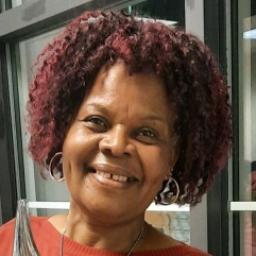
Joyce Nyirenda, LCMHC
North Carolina · 14 years in practice
Joyce Nyirenda is a licensed clinical mental health counselor (LCMHC) practicing in North Carolina.
License and registration
- LCMHC, North Carolina
- 7670 · expires June 2026
- NPI
- 1588907414 · national provider identifier
- Years in practice
- 14
- Languages
- English, Chichewa
Details are as listed on the therapist's public professional profile. You can check the license with the issuing state board, and the NPI with the national registry.
About Joyce
Joyce Nyirenda is a licensed clinical mental health counselor (LCMHC) practicing in North Carolina. She brings 14 years of experience and a calm, straightforward style to therapy. Joyce emphasizes clients' strengths and encourages small, practical steps toward change.
She blends talk therapy with faith-based perspectives when clients request them. Joyce centers sessions on what the person wants to change. She uses clear tools from cognitive behavioral therapy to spot unhelpful thinking and from solution-focused work to set short-term goals.
Background and approach
Motivational interviewing helps when people feel stuck or unsure how to begin. Her background also includes existential ideas about meaning and purpose, which she uses with people exploring life transitions and identity questions. Joyce completed a doctorate in behavioral health in 2024, which deepened her understanding of how physical and behavioral health interact.
She aims to bring that knowledge into practical treatment choices. Joyce helps with stress, anxiety, depression, low self-esteem, anger, grief, and ADHD-related concerns. She also supports people facing parenting challenges, relationship strain, trauma and abuse, and complicated medical or caregiving situations.
Additional focus areas include immigration issues, veteran and armed forces concerns, and multicultural matters. Sessions can be offered in English or Chichewa. Joyce encourages people who want a therapist who listens, affirms strengths, and uses clear, goal-oriented steps to reach out through the site's intake process.
Focus areas and approaches
Everything Joyce lists on their public professional profile, in their own terms.
- Stress, Anxiety
- Parenting issues
- Self esteem
- Depression
- Coping with life changes
- Relationship issues
- Trauma and abuse
- Grief
- Anger management
- Coaching
- ADHD
- Aging and geriatric issues
- Blended family issues
- Chronic pain, illness, and disability
- Co-morbidity
- Communication problems
- Coping with natural or human-caused disaster
- Divorce and separation
- Guilt and shame
- Immigration issues
- Life purpose
- Veteran and Armed Forces Issues
- Multicultural concerns
- Obsessions, compulsions, and OCD
- Post-traumatic stress
- Social anxiety and phobia
- Somatization
- Women's issues
- Young adult issues
Approaches Joyce names
- Client-Centered Therapy
- Cognitive Behavioral Therapy (CBT)
- Existential Therapy
- Motivational Interviewing
- Solution-Focused Therapy
- Trauma-Focused Therapy
Naming an approach is not evidence of training in it. This directory copies what each therapist lists and does not check training records.
Online support
How Joyce’s Approaches Work Online
Client-Centered Therapy focuses on listening and following the person's lead. The therapist reflects understanding and helps people name their values and goals, which can be useful for anxiety, depression, and life changes. Cognitive Behavioral Therapy (CBT) looks at patterns of thinking and behavior and uses simple exercises to change them, helping with worry, low mood, and some stress-related symptoms. Motivational Interviewing supports people who feel stuck by exploring their own reasons for change and building motivation in small steps.Finding the right approach is part of the work together. Joyce will talk with each person about goals, preferences, and what has or hasn't helped in the past, then suggest techniques to try. This collaborative process means methods can shift as needs change.
Online formats include video calls, phone sessions, live chat, and text-based messaging. Video lets people use visual cues and longer conversations. Phone sessions can fit a break at work or require less bandwidth. Live chat and text are useful for brief check-ins, coaching-style support, or when someone prefers writing their thoughts. These options make it easier to schedule therapy around daily life and varied routines.
We will earn a commission if you sign up through our link, at no cost to you. It does not change what you pay or the order of the listings.
Questions people ask
What concerns does Joyce commonly address?
She works with stress, anxiety, depression, self-esteem, anger, grief, parenting challenges, trauma and abuse, ADHD, and related issues.
What is her therapeutic style like?
She uses a strengths-based, collaborative style that combines clear tools and practical steps with empathic listening.
What experience does she bring?
Joyce has 14 years of professional experience and completed a doctorate in behavioral health in 2024.
Where is Joyce licensed and based?
She is a Licensed Clinical Mental Health Counselor, LCMHC, in North Carolina.
Which languages are available for sessions?
Sessions are offered in English and Chichewa.
Can people outside the U.S. work with her?
She does not take international clients at this time.
What session formats are offered?
Therapy is available by video calls, phone sessions, live chat, or text-based messaging.
How do I begin the process?
Click the Start Therapy button, complete the short matching questionnaire, and schedule based on the therapist's availability.
More therapists in North Carolina
See allPamela Peoples
LCSW
Experienced LCSW helping with anxiety and life changes
- Stress, Anxiety
- Self esteem
- Depression
Dr. James Hunter Jr
LCMHC
Experienced counselor for life transitions
- Stress, Anxiety
- Depression
- Relationship
Dr. Kendra Corning
NC Psychologist
Compassionate psychologist guiding real-life change
- Stress, Anxiety
- Trauma and abuse
- Grief

Is this your profile?
Ask us to correct details or take the page down.
Contact us