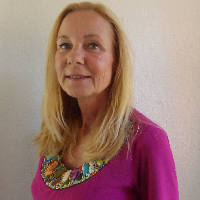
Monica Farrer
LCMHC
Practical, respectful support for real-life struggles
- Stress, Anxiety
- Addictions
- Relationship
North Carolina 11 years in practice
Clinical social work directory
267 therapists list multicultural concerns among the things they work with. All offer sessions online, and every profile shows the registering body, the membership number and when it runs to.
This page lists therapists in North Carolina who focus on multicultural concerns and culturally attuned approaches. Browse the profiles below to compare languages, therapeutic approaches, credentials and client focus areas.
LCMHC
Practical, respectful support for real-life struggles
LCSW
Practical strategies for stress and relationships
LCMHC
Practical, culturally aware counseling for everyday struggles
LCMHC
Helping people deal with stress and life changes
LMFT
Compassionate, practical therapy for relationships and parenting
LPC, LCMHC
Compassionate counselor for stress and recovery
LCMHC
Experienced counselor focused on relationships and change
LCMHC
Somatic-informed counselor focused on practical change
LCMHC
Compassionate counseling for anxiety and relationship pain
LPC, LCPC
Experienced person-centered counselor
LCSW
Practical, person-centered care for life changes
LCSW, LISW-CP
Calm, practical therapy for life transitions
LCMHC
Compassionate counselor for stress and relationships
LCSW
Compassionate, practical therapy for life challenges
LCSW, LCSW-R
Experienced LCSW helping people manage stress and loss
LPC, LCMHC
Practical support for stress and mood
LMFT
Experienced LMFT focused on relationships and life change
LCSW, LISW-CP
Faith-informed social worker focused on healing
LMFT
Skilled therapist focused on practical change
LCSW
Compassionate, practical therapy for everyday struggles
LCMHC
Calm, practical counseling for life’s tough moments
LCSW
Compassionate, practical therapy for real-life struggles
LCMHC
Compassionate, practical counseling for life challenges
Practical, person-focused therapy for life changes
LCMHC
Hopeful, practical therapy for daily life
Practical counseling for recovery and life change
LCSW
Practical, person-centered therapy for daily life
NC Psychologist
Practical, goal-focused therapy in North Carolina
Compassionate counselor for mood and trauma
LCMHC
Compassionate counseling focused on practical change
LCSW
Practical, culturally aware therapy for life changes
LCMHC
Compassionate practical counseling for life transitions
LCMHC
Practical support for relationship and life challenges
LCMHC
Compassionate counselor focused on practical change
LCMHC
Practical, respectful counseling for complex issues
LPC, LCMHC
Compassionate, practical counseling for life changes
LPC
Compassionate counseling focused on practical change
LPC, LCMHC
Compassionate practical help for everyday struggles
LCMHC
Thoughtful, practical support for emotional challenges
LCSW
Compassionate client-centered therapy for everyday struggles
LCMHC
Collaborative counselor focused on practical growth
LCSW
Practical skills for stress, relationships, and healing
Some links on this page are partner links. We will earn a commission if you sign up through one, at no cost to you. It does not change what you pay or the order of the listings.
Multicultural concerns refer to the ways culture, ethnicity, race, immigration status, religion, language, sexual orientation, gender identity and socioeconomic background shape your experiences and well-being. When these aspects of identity intersect with family expectations, community norms, workplace dynamics or systems of power, you may face stressors that are not solely personal or clinical. For example, navigating conflicting cultural expectations between generations, encountering bias in everyday life, or coping with the challenges of adapting to a new social environment can all influence your emotional life and relationships.
You may notice that ordinary sources of support feel strained because friends or family do not share your context or because the pressures you experience are rooted in cultural misunderstanding. Cultural identity can also be a resource - a source of meaning, resilience and connection - and therapy can help you build on those strengths while addressing the areas where culture complicates your goals. In seeking a therapist who attends to multicultural concerns, you are looking for someone willing to explore how identity and context shape your story rather than treating symptoms in isolation.
You might consider therapy focused on multicultural issues if you feel misunderstood in relationships or by professionals who do not recognize the cultural dimensions of your life. Persistent feelings of isolation, identity confusion, or emotional distress linked to discrimination, microaggressions, or cultural clashes are common reasons people seek help. You may also be facing life transitions - such as moving between countries, parenting across cultural lines, changing faith communities, or coming out - that raise questions about belonging and value.
If you find yourself repeatedly adjusting who you are to fit into different environments, or if you carry ongoing worry about how cultural expectations impact your choices, a therapeutic space that acknowledges cultural context can be helpful. Therapy can also be useful when you want to strengthen cultural pride, rebuild relationships strained by cultural differences, or learn strategies to navigate systems where you feel marginalized. Above all, the sign that this work might benefit you is a desire to explore how culture intersects with your mental and relational well-being in a thoughtful, respectful way.
In therapy that focuses on multicultural concerns, you can expect conversations that center both your emotional experience and the cultural story around that experience. Early sessions often involve an exploration of your background - cultural traditions, family narratives, language patterns, migration stories, faith or spiritual practices, and the particular ways you have had to adapt. This contextual work helps a therapist understand what has shaped your coping strategies and interpersonal habits.
Therapists who work in this area typically invite you to describe moments when cultural identity feels supportive and moments when it feels limiting, rather than assuming one narrative fits all. You may work through concrete situations - like workplace bias or intergenerational conflict - and also examine broader themes such as belonging, identity integration, and values alignment. Goals are collaboratively set and might include building communication skills for cross-cultural relationships, developing ways to respond to discrimination that feel authentic to you, or deepening your connection to cultural strengths. Throughout, the aim is to create a respectful, reflective space where cultural context is part of the therapeutic conversation.
There is no single method that defines culturally focused therapy. Many clinicians draw on a mix of approaches to address identity, trauma, relationships and adaptation. You will find therapists who list approaches such as multicultural counseling, narrative therapy, cognitive-behavioral methods, family systems work, psychodynamic perspectives, and strengths-based or resilience-oriented practices among their approaches. When trauma is part of the picture, some therapists may include trauma-informed methods, and some list specific trauma modalities among their approaches. It is useful to note that a therapist listing an approach does not guarantee specialized certification; it indicates the framework they use in their work.
In practice, these approaches are often blended. Narrative techniques can help you reframe stories about yourself that were formed under cultural pressure, while cognitive-behavioral strategies offer concrete skills to manage stress from discrimination or acculturative challenges. Family systems perspectives are frequently helpful when intergenerational dynamics and cultural expectations are central to the concern. Across approaches, the common thread is attention to culture as an active factor in assessment, formulation and treatment planning rather than treating culture as a peripheral detail.
Online therapy can expand access to therapists who are attuned to your cultural background or who speak your language, especially if local options feel limited. Sessions take place by video, phone, or messaging, allowing you to meet from a familiar setting. For work on multicultural concerns, online formats can lower logistical barriers and make it easier to connect with clinicians who share or deeply understand your cultural context. You should consider practical issues like communication preferences, time zone differences if your therapist is located elsewhere in the state, and whether you prefer visual cues from video sessions or the flexibility of text-based exchanges.
When using online services, think about how comfortable you feel discussing sensitive topics from your chosen environment. You may want to arrange a quiet, comfortable place where you can speak freely without interruptions. Boundaries around technology use, appointment structure and communication outside sessions are useful to discuss early on so you know what to expect. If language matters to you, look for clinicians who list multilingual services among their offerings or who note experience working with bilingual clients.
Choosing a therapist is a personal process, and when culture is central to your concerns you might prioritize different factors. Start by identifying what aspects of identity you want the therapist to understand - this could include race, ethnicity, migration history, religion, language, sexual orientation, gender identity, or socioeconomic background. Look for profiles that mention experience or a clear interest in those dimensions. Pay attention to the ways therapists describe their approach to cultural issues - do they speak about collaboration, curiosity and respect for your worldview?
Consider practical features such as the languages a therapist lists, their stated areas of focus, and whether they describe experience with the specific issues you face. You can also reflect on interpersonal preferences - for example, whether you want someone directive or exploratory, more skills-oriented or more reflective. Many people find it helpful to read several profiles to sense tone and priorities, then reach out to those who feel like a potential fit. In early conversations, it is reasonable to ask how they approach cultural differences, what they see as important when working across cultures, and how they incorporate your cultural strengths into the therapeutic work. Trust your impression of how well a therapist listens and responds to your concerns; the relationship matters as much as any particular method.
Seeking help for multicultural concerns is a step toward integrating your experiences, asserting your values, and building strategies that honor your identity while addressing the challenges you face. Whether you choose in-person or online work, look for a therapist who treats culture as central to the conversation and who approaches your story with curiosity and respect.