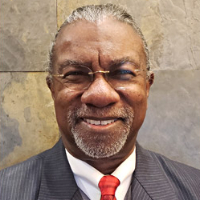
Dr. Denauvo Robinson, LCMHC
North Carolina · 48 years in practice
Dr. Denauvo Robinson brings nearly five decades of counseling experience to his work in North Carolina.
License and registration
- LCMHC, North Carolina
- S4535 · expires June 2027
- NPI
- 1316512973 · national provider identifier
- Years in practice
- 48
- Languages
- English
Details are as listed on the therapist's public professional profile. You can check the license with the issuing state board, and the NPI with the national registry.
About Denauvo
Dr. Denauvo Robinson brings nearly five decades of counseling experience to his work in North Carolina. He has worked in residential programs, community agencies, university counseling centers, and independent practice.
He uses clear, practical conversation to help people facing relationship stress, anxiety, grief, depression, and related concerns. He focuses on building on a person's existing strengths. Sessions often center on identifying what is getting in the way now and practicing different ways to respond.
Background and approach
He combines cognitive behavioral ideas with client-centered attention to present feelings and patterns. Dr. Robinson also draws on psychodynamic thinking to look at recurring themes that affect current life.
Hypnotherapy may be used as one of several tools to address habits, stress responses, or intense emotional states. He aims for straightforward explanations so people know what to expect in a session. People come to him for help with intimacy issues, parenting challenges, anger, self-esteem, career transitions, and coping with life changes.
He also supports those dealing with trauma, domestic violence histories, multicultural concerns, and questions around sexual identity and relationship structure. Across settings he has provided crisis support, psychoeducational work, and counseling for adults involved with legal or social services systems. He has offered supervision in university settings and runs a independent practice that emphasizes practical steps and steady progress.
Focus areas and approaches
Everything Denauvo lists on their public professional profile, in their own terms.
- Relationship issues
- Family conflicts
- Grief
- Intimacy-related issues
- Parenting issues
- Stress, Anxiety
- LGBT
- Trauma and abuse
- Anger management
- Self esteem
- Career difficulties
- Depression
- Coping with life changes
- Coaching
- Compassion fatigue
- Aging and geriatric issues
- Body image
- Commitment issues
- Communication problems
- Divorce and separation
- Domestic violence
- Fatherhood issues
- Forgiveness
- Guilt and shame
- Infidelity
- Life purpose
- Men's issues
- Midlife crisis
- Multicultural concerns
- Polyamory / non-monogamous relationships
- Prejudice and discrimination
- Sex addiction
- Sexual dysfunction
- Sexuality
- Social anxiety and phobia
- Workplace issues
Approaches Denauvo names
Naming an approach is not evidence of training in it. This directory copies what each therapist lists and does not check training records.
Online support
How therapeutic approaches translate to online care
Client-centered therapy emphasizes respectful listening and helping people use their own strengths. In online sessions this looks like the therapist following the client's lead, reflecting feelings, and helping set goals that feel doable. Cognitive Behavioral Therapy, or CBT, focuses on identifying unhelpful thought patterns and practicing different behaviors. It often uses concrete homework and short exercises that can be reviewed over video or text.Finding the right approach is part of the work. The therapist will collaborate with the client to choose methods that match their goals, needs, and comfort level. That might mean mixing client-centered conversation with CBT tools, or introducing hypnotherapy when a specific habit or stress response needs targeted focus. Decisions are made together and adjusted as progress is tracked.
Online therapy offers flexibility through video calls, phone sessions, live chat, and text-based messaging. Video is useful for full conversations and visual cues, phone sessions work well when bandwidth is limited, live chat can be a brief check-in between meetings, and messaging supports ongoing reflection or quick updates. These options make it easier to fit therapy into busy schedules and to continue work when travel or relocation occurs.
We will earn a commission if you sign up through our link, at no cost to you. It does not change what you pay or the order of the listings.
Questions people ask
What issues does this therapist address?
He works with relationship problems, grief, intimacy and parenting concerns, stress, anxiety, depression, trauma and abuse, anger, self-esteem, career transitions, and related life changes.
What is his therapy style like?
Sessions are practical and conversational. He uses a mix of client-centered listening, cognitive behavioral techniques, psychodynamic reflection, and occasional hypnotherapy to help people try new patterns.
How much experience does he have?
He has 48 years of experience working in residential settings, community agencies, university counseling centers, and independent practice.
Where is he based and what credential does he hold?
He practices in North Carolina and holds the credential LCMHC as noted in his profile.
Are sessions offered in other languages or internationally?
Sessions are offered in English, and international clients are accepted.
What session formats are available?
He provides video calls, phone sessions, live chat, and text-based messaging depending on what works best for the client.
How is cost handled?
Cost varies with location and therapist availability; sessions use a subscription model that can be canceled at any time.
How do I begin working with him?
Begin by selecting the Start Therapy button, completing a short matching questionnaire, and then scheduling according to therapist availability.
More therapists in North Carolina
See allPamela Peoples
LCSW
Experienced LCSW helping with anxiety and life changes
- Stress, Anxiety
- Self esteem
- Depression
Dr. James Hunter Jr
LCMHC
Experienced counselor for life transitions
- Stress, Anxiety
- Depression
- Relationship

Dr. Kendra Corning
NC Psychologist
Compassionate psychologist guiding real-life change
- Stress, Anxiety
- Trauma and abuse
- Grief

Is this your profile?
Ask us to correct details or take the page down.
Contact us