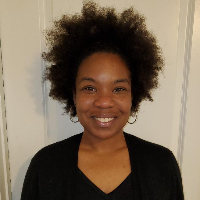
Pamela Peoples
LCSW
Experienced LCSW helping with anxiety and life changes
- Family
- Stress, Anxiety
- Self esteem
North Carolina 16 years in practice
Clinical social work directory
638 therapists list family among the things they work with. All offer sessions online, and every profile shows the registering body, the membership number and when it runs to.
Find family therapists across North Carolina who focus on relationships between parents, children, and extended relatives. Browse the listings below to learn about each therapist's focus areas, approaches, languages, and experience.
LCSW
Experienced LCSW helping with anxiety and life changes
LCMHC
Experienced counselor for life transitions
LPC, LCPC
Experienced counselor focused on practical change
LCMHC
Compassionate, practical counseling for everyday struggles
LCMHC
Practical, respectful support for real-life struggles
LCSW
Practical strategies for stress and relationships
LCMHC
Practical, values-focused counseling for adults
LCSW
Practical, goal-focused therapy for moving forward
LCMHC
Helping people deal with stress and life changes
LMFT
Compassionate, practical therapy for relationships and parenting
LPC, LCMHC
Compassionate counselor for stress and recovery
LCSW, CSW
Experienced LCSW helping people navigate change
LCMHC
Experienced counselor focused on relationships and change
LCMHC
Practical strategies for stress and relationships
LCMHC
Somatic-informed counselor focused on practical change
LMFT
Compassionate, practical support for relationship and anxiety concerns
LCMHC
Practical, values-focused counseling for everyday life
LCSW
Practical trauma-informed support for daily life
LCSW
Empathetic LCSW helping people find practical progress
LPC, LCPC
Experienced person-centered counselor
LMFT
Compassionate relational therapy for practical change
LCSW
Practical, person-centered care for life changes
LCSW
Compassionate, practical support for life’s challenges
LCSW, LISW-CP
Calm, practical therapy for life transitions
LCMHC
Compassionate counselor for stress and relationships
LCSW
Compassionate, practical therapy for life challenges
LCMHC
Experienced counselor focused on practical support
LPC, LCMHC
Compassionate counseling focused on practical change
LMFT
Experienced LMFT focused on relationships and life change
LCMHC
Practical, collaborative counseling focused on real-life change
LCSW, LISW-CP
Faith-informed social worker focused on healing
LCSW, LISW-CP
Compassionate, practical support for life's hard moments
LCMHC
Practical support for stress and family strain
LPC
Practical, person-centered care for life changes
LCMHC
Calm, practical counseling for life’s tough moments
Some links on this page are partner links. We will earn a commission if you sign up through one, at no cost to you. It does not change what you pay or the order of the listings.
Family is less a fixed definition and more a set of ongoing relationships that shape daily life. Whether you live with parents, partners, children, grandparents, or a combination of these, family systems create patterns of communication, roles, and expectations that influence how you think, feel, and act. When family patterns are flexible, they can support growth and resilience. When patterns become rigid or conflict-ridden, they can cause stress that shows up in many parts of your life, from work performance to your physical health.
Issues that involve family often affect more than one person at a time. You may see tension in conversations, repeated arguments over the same topics, or long-standing misunderstandings that feel impossible to resolve. Children and teens may express their distress through behavior changes, while adults may withdraw, become reactive, or take on caregiving burdens that feel overwhelming. Family transitions - such as divorce, blended family formation, caregiving for aging relatives, or moves - can amplify patterns that were already present and introduce new stressors. Therapy that focuses on family looks at these patterns and how they interact rather than treating each person's concerns in isolation.
You might consider family therapy if conflicts recur without clear resolution, if communication breaks down, or if a significant life change affects relationships. You may notice that conversations escalate quickly or that important topics are avoided entirely. Sometimes the sign is less dramatic: a slow erosion of closeness, increasing distance between family members, or a feeling that you are managing relationships rather than living them. Behavioral changes in children, such as new difficulties at school or changes in sleep and appetite, can also point to underlying family stress.
Laid-out decisions about custody, caregiving roles, or financial responsibilities can intensify conflict and make it harder to focus on the emotional aspects of a problem. In these situations, family therapy can provide a space to untangle practical choices from emotional needs so you can arrive at agreements that reflect both. You may also seek help when a family member is navigating grief, addiction concerns, or a chronic health condition and the family needs to find a new way to cope and support each other.
Early sessions typically focus on understanding the relationships and the issues you want to address. A therapist will usually ask each person to describe their perspective so that differences and common ground become clearer. You and the therapist will shape goals together, which might include improving communication, managing conflict, supporting a child's emotional development, or navigating a transition. The therapist's role is to guide discussion, highlight patterns that contribute to problems, and offer strategies you can try between sessions.
Family sessions can include parents, partners, children, or other relatives depending on the issues and the family's needs. Sometimes the therapist will meet with subsets of the family between full-group sessions to focus on specific concerns. Sessions often combine conversation with practical exercises - such as structured communication practice or problem-solving tasks - that help you try new ways of interacting in real time. Progress can be gradual, with small shifts in how you listen, respond, and set boundaries producing meaningful changes over weeks and months.
Family therapy draws on several established approaches that emphasize relationships and systems. Some therapists describe their work in terms of family systems, structural family therapy, or narrative approaches that explore the stories families tell about themselves. Others use techniques from solution-focused or cognitive-behavioral traditions to help you develop concrete skills for communication and conflict management. If specific approaches matter to you, you can look for therapists who list those methods among their approaches, which helps you find someone whose orientation aligns with your preferences.
Many family therapists bring a trauma-informed lens when working with families who have experienced loss, violence, or abrupt disruption. This means attention to safety, pacing, and the ways past experiences affect present relationships. Developmental perspectives are also common: therapists often consider how age and life stage shape expectations and behavior, so interventions for families with young children will look different from those for families navigating adolescent issues or eldercare. You can expect therapists to combine relational insight with practical strategies tailored to your family's life stage and concerns.
Online family therapy can be an effective way to bring people together when schedules, distance, or mobility make in-person meetings difficult. Sessions take place by video, and you can arrange for multiple family members to join from different locations. This format requires attention to technology, audio and video setup, and a comfortable environment where participants can speak and listen without interruption. Therapists will often help you plan a good place to connect and set simple rules to keep conversations productive, such as muting when not speaking and agreeing on turn-taking.
When you are looking for a therapist, focus on fit as much as credentials. Consider the therapist's stated focus areas - whether they emphasize parenting support, blended families, couples' dynamics, or adolescent issues - and think about whether those match the challenges you face. Look for therapists who list approaches that resonate with you, and note any experience with languages or cultural perspectives that reflect your family's background. Pay attention to how a therapist describes their work with families: do they emphasize collaboration, practical skills, or exploration of family history? Those descriptions give you a sense of how the sessions might feel.
It can help to prepare a short list of questions to guide your decision. Ask how the therapist typically structures family sessions, how they involve children when appropriate, and how they balance immediate problem solving with longer-term change. You may want to know what kinds of approaches they commonly use and whether they have experience addressing issues similar to yours. Also consider logistics that matter to your family, such as session length, whether sessions can include multiple devices for different locations, and what languages a therapist speaks. Comparing focus areas, approaches, credentials, languages, and experience will give you the best sense of which therapist fits your family's needs.
Family therapy can be a practical, growth-oriented process that helps you change patterns that no longer serve you. Whether you are navigating a specific crisis or looking to strengthen everyday communication, a therapist who understands family dynamics can support you as you try new ways of relating. Use the listings above to explore profiles, read how therapists describe their approach, and reach out when you are ready to learn more about the process each therapist offers.