North Carolina 12 years in practice
Clinical social work directory
Therapists who work with Narrative Therapy
169 therapists list Narrative Therapy among the ways they work. Naming an approach is not evidence of training in it, so ask directly how they use it.
Narrative Therapy is an approach that helps you examine the stories you tell about yourself and the meanings those stories carry. Below, you can browse North Carolina therapists who list Narrative Therapy among their approaches to find a fit that matches your needs.

Donna Cummings
LPC, LCMHC
Compassionate counselor for stress and recovery
- Stress, Anxiety
- Parenting
- Self esteem
South Carolina 20 years in practice

Teresa Freeman
LCSW
Practical, steady support for stress and recovery
- Stress, Anxiety
- Addictions
- Trauma and abuse
North Carolina 13 years in practice

Jason Radosevich
LCSW
Empathetic LCSW helping people find practical progress
- Stress, Anxiety
- Family
- Grief
North Carolina 10 years in practice

North Carolina 18 years in practice

North Carolina 30 years in practice

North Carolina 15 years in practice
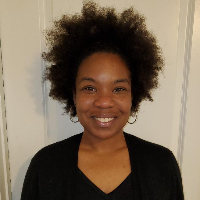
Saundra Burleson
LCMHC
Compassionate counselor for stress and relationships
- Stress, Anxiety
- Addictions
- Intimacy-related issues
North Carolina 13 years in practice

Giovanni Bass
LCSW
Compassionate, practical therapy for life challenges
- Stress, Anxiety
- Relationship
- Family
North Carolina 14 years in practice

Nettie Clarke
LPC, LCMHC
Practical support for stress and trauma recovery
- Stress, Anxiety
- Trauma and abuse
- Anger
North Carolina 12 years in practice

Anne Douglas
LMFT
Experienced LMFT focused on relationships and life change
- Stress, Anxiety
- Relationship
- Family
Illinois 25 years in practice

Amy Penley
LMFT
Skilled therapist focused on practical change
- Stress, Anxiety
- Relationship
- Trauma and abuse
North Carolina 10 years in practice

Dr. Darryl Mccarroll
LCSW
Compassionate, practical therapy for real-life struggles
- Stress, Anxiety
- Addictions
- Family
North Carolina 8 years in practice

North Carolina 15 years in practice

North Carolina 30 years in practice

Practical counseling for recovery and life change
- Stress, Anxiety
- Addictions
- Trauma and abuse
North Carolina 23 years in practice

Stephanie Bigham
LCSW
Mindful acceptance and practical skills for change
- Stress, Anxiety
- Relationship
- Family
North Carolina 20 years in practice
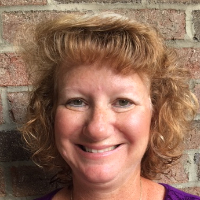
Practical, person-focused therapy with experience
- Stress, Anxiety
- Relationship
- Family
North Carolina 24 years in practice

North Carolina 5 years in practice

North Carolina 18 years in practice

North Carolina 7 years in practice

Monique Parr
LCMHC
Collaborative counselor focused on practical growth
- LGBT
- Trauma and abuse
- Self esteem
North Carolina 6 years in practice

Christina LaBond
LCSW
Practical skills for stress, relationships, and healing
- Stress, Anxiety
- LGBT
- Relationship
North Carolina 8 years in practice

Kristen Lewis
LCSW
Experienced LCSW focused on strengths-based care
- Trauma and abuse
- Parenting
- Stress, Anxiety
Virginia 25 years in practice

Jalisa Lewis
LCSW
Practical, person-centered therapy for life challenges
- Stress, Anxiety
- Relationship
- Family
North Carolina 9 years in practice

Nicole Garza
LCSW
Practical support for stress and relationship struggles
- Stress, Anxiety
- Addictions
- Trauma and abuse
North Carolina 13 years in practice

Milliann Abrams
LMFT
Calm, practical therapy focused on real-life change
- Stress, Anxiety
- Relationship
- Family
North Carolina 13 years in practice

Joshua Peele
LCSW
Helping people build steady, practical coping skills
- Stress, Anxiety
- Trauma and abuse
- Grief
North Carolina 5 years in practice

Camille Green
LMFT
Practical, relationship-focused therapy for adults
- Stress, Anxiety
- LGBT
- Relationship
North Carolina 14 years in practice

Kenneth Young
LCSW
Person-centered therapist focused on practical change
- Stress, Anxiety
- Self esteem
- Career
Pennsylvania 10 years in practice

Sarah Fagan
LCMHC
Compassionate counselor focused on real-life change
- Stress, Anxiety
- Trauma and abuse
- Grief
North Carolina 10 years in practice

Practical, values-focused therapy for daily life
- Stress, Anxiety
- LGBT
- Family
South Carolina 16 years in practice

Hattie Williams
LCMHC
Compassionate counselor for everyday life challenges
- Stress, Anxiety
- Grief
- Self esteem
North Carolina 6 years in practice

North Carolina 5 years in practice

Cheryl Hann
LPC, LCMHC
Compassionate counseling focused on practical change
- Stress, Anxiety
- Self esteem
- Career
North Carolina 10 years in practice

North Carolina 8 years in practice

Jessica Rosenkoetter
LCSW
Compassionate, practical therapy for everyday struggles
- Stress, Anxiety
- Addictions
- Relationship
North Carolina 4 years in practice

Andrew Perez
LCMHC
Compassionate counselor focused on practical change
- Stress, Anxiety
- Trauma and abuse
- Anger
North Carolina 9 years in practice

Stefanie Kincaid
LCMHC
Practical, strengths-based therapy for everyday struggles
- Stress, Anxiety
- Relationship
- Self esteem
North Carolina 12 years in practice

Experienced LMFT focused on practical change
- Self esteem
- Career
- Coping with life changes
North Carolina 18 years in practice

Martha "Marty" Mauppin
LCMHC
Experienced LCMHC focused on practical support
- Stress, Anxiety
- Relationship
- Trauma and abuse
North Carolina 16 years in practice

Narissa Huntley
LCMHC
Collaborative, practical counseling for life changes
- Stress, Anxiety
- Family
- Self esteem
North Carolina 6 years in practice

Sherry Holder
LCSW
Helping people build steady coping skills
- Stress, Anxiety
- Relationship
- Trauma and abuse
North Carolina 4 years in practice

North Carolina 34 years in practice

Yolanda Lee
LCSW
Compassionate, practical support for life’s hard moments
- Stress, Anxiety
- Grief
- Self esteem
North Carolina 3 years in practice

Kristina Ellen
LCMHC
Practical, whole-person counseling for stressful times
- Stress, Anxiety
- Relationship
- Family
North Carolina 19 years in practice

North Carolina 23 years in practice

North Carolina 22 years in practice

Some links on this page are partner links. We will earn a commission if you sign up through one, at no cost to you. It does not change what you pay or the order of the listings.
What Narrative Therapy Is and the Principles Behind It
Understanding the core idea
Narrative Therapy centers on the idea that the stories you hold about your life shape how you experience problems and possibilities. Rather than focusing only on symptoms or labels, this approach invites you to explore the narratives that influence your relationships, work, identity, and choices. Practitioners view problems as separate from people - situations have histories and contexts, and those histories can be examined and rewritten with intention. When you engage with Narrative Therapy, the work often focuses on identifying dominant stories that limit you and uncovering alternative stories that better reflect your values and strengths.
Key principles in Narrative Therapy include externalization, which helps you separate the person from the problem; deconstructing taken-for-granted assumptions that support limiting narratives; and privileging the client as the expert on their experiences. The approach often places emphasis on language, the social and cultural contexts that shape meaning, and collaborative questioning. You are invited to become a co-author of your life story, noticing moments that contradict the problem-saturated narrative and building richer, more empowering accounts of who you are and who you want to be.
What Issues Narrative Therapy Is Commonly Used For
Applications across life concerns
Narrative Therapy is applied to a wide range of concerns because it addresses how meaning is made rather than prescribing a single corrective technique. People turn to this approach when they feel stuck in self-defeating patterns, when identity has been overshadowed by trauma, stigma, or difficult roles, or when relationships have been strained by recurring issues. It is often used for anxiety, low mood, grief, identity questions, relationship conflicts, and life transitions because these situations frequently involve entrenched stories that shape expectations and behavior.
You might find Narrative Therapy helpful if your difficulties feel tied to labels or roles you do not fully identify with, or if cultural and social messages have shaped how you see yourself. It can be useful when you want to examine the broader context of a problem - such as family dynamics, community norms, or workplace culture - and to construct practical narratives that open possibilities for action. Practitioners who list Narrative Therapy among their approaches may also adapt its ideas for group work, family conversations, and community-focused interventions, depending on your goals and the therapist’s style.
What a Typical Narrative Therapy Session Looks Like
How the conversation unfolds
A session guided by Narrative Therapy typically begins with open, exploratory conversation rather than diagnostic questioning. The therapist will ask you to tell your story in your own words, listening for dominant themes, turning points, and the ways problems are talked about. Rather than simply offering solutions, the therapist asks questions that help you separate the problem from yourself, highlight unique outcomes when the problem was less influential, and notice values that matter to you.
Sessions often include reflective questions, externalizing conversations, and an emphasis on detailed descriptions of events that contradict the problem narrative. You may be invited to map the influence of a problem - how it affects different areas of your life - and to identify actions, relationships, or beliefs that resist its control. Homework, when suggested, can involve documenting alternative storylines, collecting witness accounts from supportive people, or trying actions that test new narratives. The pace is collaborative and narrative-focused, with the therapist supporting your efforts to re-author your life in ways that feel meaningful and achievable.
How Narrative Therapy Differs from Other Common Approaches
Comparing focus and method
Narrative Therapy distinguishes itself by prioritizing the stories that organize experience instead of focusing primarily on symptom reduction or cognitive restructuring. Unlike approaches that treat thoughts as distortions to be corrected, Narrative Therapy places more emphasis on context, meaning, and the social origins of problems. This often leads to a broader exploration of cultural, familial, and institutional factors that shape your sense of self. While cognitive-behavioral methods may give you tools to change thought patterns and behaviors, Narrative Therapy encourages you to examine and re-author the scripts that give rise to those patterns.
Another difference lies in language and positioning. Narrative practitioners frequently use externalizing language to create distance between you and the problem, which can reduce shame and open space for creative responses. Family systems therapy may focus on roles and interaction patterns among family members, while psychodynamic approaches explore unconscious processes and historical development. Narrative work can be complementary to other methods because it is oriented toward meaning-making and collaboration, and because it can be adapted to individual, couple, or family contexts depending on what you want to explore.
Who Is a Good Candidate and How to Find the Right Therapist
Deciding if this approach might fit you
You might be a good candidate for Narrative Therapy if you want to understand and change the stories that shape your life, if labels feel limiting, or if you want a collaborative, conversational approach to change. This style tends to suit people who appreciate reflective work, value the exploration of identity and context, and are interested in practical steps that align with their values. Narrative Therapy can be helpful across ages and backgrounds, and it often resonates with those who want to address social or relational dimensions of a problem rather than focusing solely on internal symptoms.
When you look for a therapist who lists Narrative Therapy among their approaches, consider how they describe their work, their focus areas, the populations they serve, and the languages they speak. Read therapist profiles to get a sense of their therapeutic style and the issues they commonly help with. Think about whether you prefer a therapist who emphasizes conversation, cultural context, or creative interventions like life-documenting and narrative exercises. You can also look for details about their experience with particular populations or life stages if those elements matter to you. Meeting with a few therapists can help you sense who communicates in a way that feels respectful and collaborative, and who frames problems in terms that make sense to you.
Finding the right fit often comes down to how comfortable you feel discussing personal stories and whether the therapist’s approach to meaning-making aligns with your goals. Use profiles to narrow possibilities based on focus areas and approach descriptions, and trust your sense of whether a therapist's language and values match what you are seeking. If Narrative Therapy resonates with you, look for someone who emphasizes collaborative re-authoring and contextual exploration, and plan on giving the approach time to unfold as you co-create new narratives together.