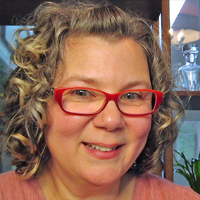
Tanya Richmond, LCSW
North Carolina · 26 years in practice
Tanya Richmond is an LCSW who helps people handle stress, anxiety, grief, self-esteem issues, trauma, compassion fatigue, and career questions.
License and registration
- LCSW, North Carolina
- C003381 · expires January 2028
- NPI
- 1356003677 · national provider identifier
- Years in practice
- 26
- Languages
- English
Details are as listed on the therapist's public professional profile. You can check the license with the issuing state board, and the NPI with the national registry.
About Tanya
Tanya Richmond is an LCSW who helps people handle stress, anxiety, grief, self-esteem issues, trauma, compassion fatigue, and career questions. She works with concerns that come from life changes, caregiving, aging, and isolation. Tanya practices in North Carolina and brings 26 years of experience to her work.
Tanya uses a person-centered style that is warm, reflective, and engaging. She listens first to learn what matters to each person and then tailors sessions to those priorities.
Background and approach
Sessions focus on practical coping skills, mindful breathing, and building clearer steps for change. Her approach blends client-centered listening with cognitive behavioral tools and mindfulness practices. That mix supports people who need help with overwhelming thoughts, recurring worries, or grief after loss.
Tanya also draws on solution-focused strategies to set short-term goals and track progress. Many clients appreciate hands-on techniques Tanya offers, such as guided breathing and simple movement exercises that can be practiced between sessions. She frames these tools as ways to reduce tension, regain focus, and strengthen self-care habits.
Tanya emphasizes dignity and respect in every conversation. She is experienced supporting people through end-of-life planning, hospice-related concerns, and caregiving stress. Tanya also works with those affected by disasters, people living with intellectual disability, and those seeking clearer life purpose or increased self-love.
Her practice aims to empower people as they make choices and adjust to change.
Focus areas and approaches
Everything Tanya lists on their public professional profile, in their own terms.
- Stress, Anxiety
- Grief
- Self esteem
- Coping with life changes
- Compassion fatigue
- Trauma and abuse
- Career difficulties
- Aging and geriatric issues
- Caregiver issues and stress
- Coping with natural or human-caused disaster
- Hospice and end-of-life counseling
- Intellectual disability
- Isolation / loneliness
- Life purpose
- Self-love
Approaches Tanya names
- Client-Centered Therapy
- Cognitive Behavioral Therapy (CBT)
- Mindfulness Therapy
- Solution-Focused Therapy
- Trauma-Focused Therapy
Naming an approach is not evidence of training in it. This directory copies what each therapist lists and does not check training records.
Online support
Therapeutic approaches adapted for online care
Client-centered therapy focuses on listening and understanding each person's priorities. It means the therapist follows the client's lead, reflects what matters most, and shapes sessions around those goals. This approach helps when someone feels overwhelmed or unsure where to begin.Cognitive Behavioral Therapy, or CBT, looks at how thoughts influence feelings and actions and teaches practical steps to change unhelpful patterns. It is useful for anxiety, stress, and shifting negative self-talk into more balanced thinking.
Mindfulness therapy teaches simple breathing and attention practices to reduce reactivity and increase present-moment calm. These techniques can be woven into sessions and practiced between meetings to manage tension and improve focus.
Choosing the right approach is part of the work together. The therapist will talk with each person about their needs, goals, and preferences, and then recommend or try methods that feel like a good fit. That process is collaborative and can change over time as needs evolve.
Online therapy offers flexibility through video calls, phone sessions, live chat, or text-based messaging. Video works well for in-depth conversations and guided exercises, phone can fit quick check-ins or when bandwidth is limited, and messaging is useful for brief updates or short reflections between sessions. These options make it easier to keep therapy consistent around work, caregiving, or travel.
We will earn a commission if you sign up through our link, at no cost to you. It does not change what you pay or the order of the listings.
Questions people ask
What concerns does Tanya commonly address?
Tanya works with stress, anxiety, grief, self-esteem struggles, trauma, compassion fatigue, and career-related concerns, plus issues tied to aging, caregiving, isolation, and life purpose.
How would you describe her therapeutic style?
Her style is person-centered, warm, and reflective. She listens first and tailors sessions to what each person says is most important.
How much experience does she bring?
She has 26 years of experience working in social work and counseling settings, helping people with grief, trauma, and caregiver stress.
Where is Tanya licensed and based?
She is an LCSW licensed in North Carolina and practices with a focus on issues common to that region.
Which languages are sessions offered in?
Sessions are offered in English.
What session formats are available?
Clients can meet by video calls, phone sessions, live chat, or text-based messaging depending on what fits their needs.
How is cost handled for sessions?
Cost varies with location and therapist availability; sessions use a subscription model that can be canceled at any time.
How do I begin working with Tanya?
To get started, select the Start Therapy button, complete a short matching questionnaire, and schedule sessions according to therapist availability.
More therapists in North Carolina
See allPamela Peoples
LCSW
Experienced LCSW helping with anxiety and life changes
- Stress, Anxiety
- Self esteem
- Depression
Dr. James Hunter Jr
LCMHC
Experienced counselor for life transitions
- Stress, Anxiety
- Depression
- Relationship

Dr. Kendra Corning
NC Psychologist
Compassionate psychologist guiding real-life change
- Stress, Anxiety
- Trauma and abuse
- Grief

Is this your profile?
Ask us to correct details or take the page down.
Contact us