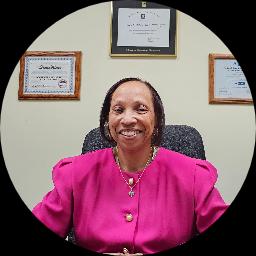
Loretta Tillman
LPC, LCPC
Experienced counselor focused on practical change
- Stress, Anxiety
- Anger
- Self esteem
North Carolina 20 years in practice
Clinical social work directory
83 therapists in this directory list Licensed Professional Counselor (LPC). Registration details are shown as each therapist lists them; the body's own public register is the place to check a number.
An LPC is a licensed mental health professional who has completed graduate counseling education and supervised clinical experience. Browse verified Licensed Professional Counselor (LPC) therapists below to review specialties, languages, and approaches.
LPC, LCPC
Experienced counselor focused on practical change
LPC, LCMHC
Compassionate counselor for stress and recovery
LPC, LCMHC
Practical, skills-focused counseling for everyday strain
LCMHC, LPC
Practical, faith-informed therapy for stress and grief
LPC, LCPC
Experienced person-centered counselor
LPC, LCMHC
Practical support for stress and trauma recovery
LPC, LCMHC
Practical support for stress and mood
LPC, LCMHC
Compassionate counseling focused on practical change
LPC
Practical, person-centered care for life changes
LPC, LCMHC
Practical help for anxiety and addiction
LPC, LCMHC
Compassionate, practical counseling for life changes
LPC
Compassionate counseling focused on practical change
LPC, LCMHC
Compassionate practical help for everyday struggles
Compassionate counselor focused on practical change
LPC, LCMHC
Practical counseling for stress and life change
LPC, LCMHC
Practical support for stress and life transitions
LPC, LCMHC
Compassionate therapist for life transitions
Practical, values-focused therapy for daily life
LPC, LCMHC
Compassionate counseling focused on practical change
LPC, LCMHC
Practical, experienced counselor for stress and addiction
LCMHC, LPC
Experienced online counselor for relationship and trauma concerns
LMFT, LPC
Practical therapy for stress and relationships
LPC, LCMHC
Therapist focused on practical support
LPCC, LPC
Practical, compassionate counseling for everyday struggles
LPC, LCMHC
Hope-focused counselor using practical skills
LCMHC, LPC
Practical, collaborative counseling for everyday challenges
LPC, LCMHC
Experienced counselor for life transitions
LCMHC, LPC
Compassionate counselor for life transitions
LPC, LCMHC
Calm, practical counseling focused on change
LPC, LCMHC
Experienced counselor focused on practical change
LPC, LCMHC
Client-centered counselor helping people find momentum
Experienced LPC focused on healing and goals
LCMHC, LPC
Practical support for stress and relationships
LPC, LCMHC
Therapist focused on connection and practical change
LPC, LCMHC
Practical counseling for real-life struggles
LCMHC, LPC
Compassionate counselor focused on practical change
LCMHC, LPC
Practical, person-focused counseling for adults
LPC, LCMHC
Practical, respectful counseling for life changes
LPC, LCMHC
Compassionate practical counseling for life challenges
LPC, LCMHC
Practical, client-centered therapy for daily life
LPC, LCMHC
Calm, practical support for everyday challenges
Practical support for stress and relationships
LCMHC, LPC
Compassionate, practical counseling for life transitions
Some links on this page are partner links. We will earn a commission if you sign up through one, at no cost to you. It does not change what you pay or the order of the listings.
When you see the LPC credential attached to a therapist, it indicates that the clinician met state requirements to practice counseling. Those requirements generally include a master’s or doctoral degree in counseling or a closely related field, a period of supervised clinical experience after graduation, and successful completion of a licensing exam. Once licensed, counselors must often meet continuing education expectations to maintain their credential. These standards exist so you can expect a baseline of graduate-level study and professional oversight in the early years of a counselor’s practice.
Your LPC likely completed coursework in counseling theory, assessment, ethics, and intervention strategies, and participated in field placements during graduate school. After graduation, many states require additional supervised clinical hours with an experienced supervisor before the counselor earns full licensure. The combination of classroom study and supervised practice is meant to prepare practitioners to work with a range of concerns and client populations.
As you compare credentials, it helps to know how LPCs typically fit into the broader mental health landscape. LPCs focus on assessment and talk-based therapy, working with clients to address emotional, behavioral, and interpersonal concerns. Unlike licensed psychologists, who often hold doctoral degrees and may conduct formal psychological testing, LPCs usually emphasize therapeutic intervention and counseling skills. Compared with licensed clinical social workers, LPCs often have training centered on counseling theory and individual therapy models, while social workers bring a broader perspective on social systems and community resources. Marriage and family therapists specialize in relational dynamics and systems work, which can overlap with LPC practice when counselors focus on couples or families.
License type does not determine the quality of care, but it can shape a clinician’s typical focus and training background. LPCs commonly collaborate with psychiatrists, primary care clinicians, and other mental health professionals when care involves medication management or complex medical questions. If you have concerns that might require medication or specialized testing, you can look for clinicians who work within a team or who coordinate with medical providers.
You will find LPCs who work across a wide range of concerns and life stages. Many list specialties such as anxiety, depression, trauma, grief, relationship issues, parenting challenges, and life transitions. Some counselors focus on work-related stress, career transitions, school performance, or adolescent development. Others emphasize support for major life changes such as divorce, relocation, caregiving, or chronic illness adjustment. Treatment approaches vary by provider and may include cognitive-behavioral techniques, psychodynamic perspectives, humanistic approaches, or experiential methods.
When reading profiles, notice how therapists describe their approaches. You may see language like "therapists who list EMDR among their approaches" or "therapists who list cognitive behavioral approaches." Those phrases communicate what a clinician uses in practice but do not imply certification or specific training beyond what the profile states. Pay attention to the focus areas a counselor highlights and how that aligns with your goals for treatment, whether you are seeking short-term skills development or a longer-term therapeutic relationship.
Verifying a counselor’s license is a practical step when you are considering a clinician. The most reliable source for verification is the state licensing board that issued the credential. For North Carolina practitioners, you can consult the North Carolina Board of Licensed Professional Counselors’ online license lookup to confirm a license number, status, and expiration date. The board site may also list disciplinary actions or formal restrictions, which can be helpful context when you are evaluating a clinician’s professional record.
When you search a license record, key details include the license type, current status, and renewal date. You can also look for the date the license was issued and any public board actions. If a clinician lists additional credentials or specialty designations, those will typically be separate from the state license and may require direct questions to the clinician for clarification. Verifying the license through the state board provides objective information about whether the counselor maintained the legal requirements for practice in that jurisdiction.
Choosing an LPC can offer several advantages depending on your needs. LPCs are trained to provide talk therapy and to help you develop skills for coping with symptoms, improving relationships, and navigating life changes. Because counseling training stresses a range of therapeutic approaches, many LPCs tailor their work to the individual, combining strategies that fit your goals. You may find LPCs who emphasize brief problem-solving work and others who offer longer-term exploration of personal history and patterns.
Start by identifying the issues you want to address, then look for counselors who list those specialties. Consider the therapeutic approaches a clinician mentions and imagine whether that style fits how you like to work. Language and cultural match can matter, so notice if therapists list languages spoken or experience with particular communities. Think about session format preferences such as in-person or video meetings, and review information about fees and insurance policies if that matters for you. When you contact a clinician or their office, ask clear questions about their typical approach to the concerns you raised, the length of sessions, and how they measure progress. Trust your sense of rapport; feeling heard and respected in early communications is an important indicator of whether a therapist might be a good match.
Choosing a counselor is a personal decision and a collaborative process. Use license verification tools, read profiles gently for specialties and approaches, and prepare a few questions that matter most to you before reaching out. With a clearer sense of what LPC credentials represent and what different clinicians emphasize in practice, you can make informed choices about who to contact and how to begin the conversation about your goals for therapy.