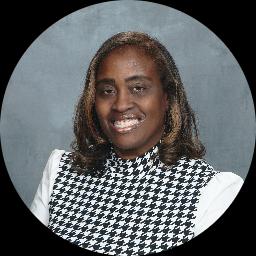
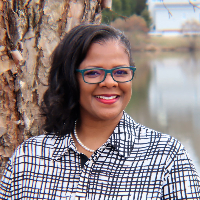
Angela Greene-Junior
LCSW, LISW-CP
Faith-aware counselor for stress and addiction
- Stress, Anxiety
- Addictions
- Relationship
South Carolina 15 years in practice
Clinical social work directory
23 therapists in this directory list Licensed Independent Social Worker - Clinical Practice (LISW-CP). Registration details are shown as each therapist lists them; the body's own public register is the place to check a number.
A Licensed Independent Social Worker - Clinical Practice (LISW-CP) is a clinical social work license that authorizes independent practice of psychotherapy and clinical assessment in North Carolina. Below you can browse verified LISW-CP therapists to review credentials, specialties, languages, and the treatment approaches they list.
LCSW, LISW-CP
Faith-aware counselor for stress and addiction
LCSW, LISW-CP
Practical support for stress and life change
LCSW, LISW-CP
Calm, practical therapy for life transitions
LCSW, LISW-CP
Faith-informed social worker focused on healing
LCSW, LISW-CP
Compassionate, practical support for life's hard moments
LICSW, LISW-CP
Practical, person-focused support for everyday challenges
LISW-CP, LCSW
Practical, steady support for life’s hard moments
LISW-CP, LCSW
Therapist who blends listening with practical tools
LCSW, LISW-CP
Therapist focused on practical emotional coping
LCSW, LISW-CP
Practical support for stress and life change
LCSW, LISW-CP
Calm support for stress and life transitions
LISW-CP, LCSW, CSW
Practical, goal-focused therapy for adults
LCSW, LISW-CP
Practical therapy for relationships and life change
LCSW, LISW-CP
Practical therapy for clearer direction and resilience
LISW-CP, LCSW
Practical, compassionate counseling for life changes
LISW-CP, LCSW
Short-term skills and collaborative care
LCSW, LISW-CP
Practical, collaborative therapy for real-life challenges
LCSW, LISW-CP
Affirming, practical therapy for relationship and identity concerns
LISW-CP, LCSW
Compassionate, practical care focused on real change
LICSW, LISW-CP
Practical, respectful therapy for everyday struggles
LCSW, LISW-CP
Compassionate, practical therapy for life’s hard moments
LISW-CP, LCSW
Practical, values-focused therapy for everyday struggles
LISW-CP, LCSW
Helping people navigate stress and life changes
Some links on this page are partner links. We will earn a commission if you sign up through one, at no cost to you. It does not change what you pay or the order of the listings.
When you see the LISW-CP credential, it indicates that a clinician completed graduate-level social work education and met additional clinical requirements set by state regulators. Typically that path starts with a Master of Social Work degree from an accredited program and continues with post-degree supervised clinical practice. During that supervised period, clinicians work directly with individuals, families, and groups while receiving oversight from a licensed clinical supervisor. After completing the required supervised hours, clinicians must meet any examination or application requirements the state board requires to be granted independent clinical licensure. The result is a professional who combines social work training - including attention to social systems, cultural context, and resources - with clinical skills for assessing and treating mental health concerns.
Because the LISW-CP designation is specific to North Carolina, the exact steps and timelines you encounter are set by the North Carolina licensing board. You can expect a LISW-CP to have experience that bridges both community systems and individual clinical work, with training that emphasizes ethical practice, assessment, and therapeutic intervention in diverse settings.
The LISW-CP credential authorizes clinicians to practice independently in clinical settings. That includes conducting comprehensive clinical assessments, developing treatment plans, providing psychotherapy, and coordinating care with other professionals when appropriate. Compared with earlier-level social work licenses, which often require ongoing supervision for clinical services, LISW-CP denotes that a clinician can carry out clinical responsibilities without routine supervisory oversight.
When you are deciding among license types, consider the differences in focus and permitted activities. Some social work licenses emphasize case management, community resource coordination, or nonclinical practice, while LISW-CP emphasizes clinical assessment and responsive psychotherapy. You may also encounter other mental health licenses in North Carolina with overlapping roles; what matters most is the specific training, experience, and listed areas of focus for a given clinician. Many LISW-CP clinicians work in settings where they address complex emotional and relational concerns and collaborate with primary care, schools, or community programs to support overall well-being.
LISW-CP clinicians commonly list a wide range of specialties that reflect both life stage and clinical focus. Many work with adults dealing with depression, anxiety, stress, grief, or relationship challenges. Others list experience working with adolescents, families, or older adults. You will also find clinicians who highlight work on trauma-related concerns, adjustment to life transitions, perinatal mental health, parenting and family dynamics, and issues related to substance use and recovery. Because social work training emphasizes systems and context, some LISW-CP therapists also focus on workplace stress, community-based interventions, or coordination with schools and social services.
Therapists often describe the approaches they use and you will see a variety of therapeutic modalities listed in profiles. When a clinician lists a modality, such as cognitive behavioral approaches, acceptance-based methods, narrative approaches, or EMDR among their approaches, that signals the kinds of methods they draw on in sessions. It does not imply a certification beyond what the profile states, but it does help you understand how they describe their practice and which methods they may offer.
Verifying a LISW-CP credential is an important step when you are researching clinicians. The North Carolina licensing board maintains an online license verification tool where you can search by the clinician's name or license number to confirm current status, the type of license held, and any public disciplinary actions. When you look up a license, check the issue and expiration dates, the license status designation, and any disciplinary history listed by the board. Those public records are the primary source for official licensure information.
In addition to board verification, review the clinician's publicly available profile for details about education, graduate degrees, and practice focus. If language skills, cultural competency, or experience with specific populations matter to you, look for those details in profiles. While profiles can help you narrow your options, the licensing board is the definitive source for whether someone holds an active LISW-CP credential in North Carolina.
Choosing a LISW-CP can offer certain advantages depending on what you need. LISW-CP clinicians are trained to consider both individual symptoms and broader life context, including family systems, community resources, and social stressors. If you want a therapist who can help connect therapeutic work with practical resource planning or coordination with other services, that systems-oriented perspective may be especially helpful. Many people appreciate that LISW-CP clinicians can manage complex clinical presentations and collaborate with other providers when that is part of a plan.
When you are looking for the right LISW-CP therapist, start by clarifying what matters most to you. Think about the issues you want to address, the populations or life stages you prefer the clinician to have experience with, and any cultural or language needs. Read clinician profiles to see the specialties they list and the approaches they mention. If you want to know whether a therapist works with a specific modality, look for language such as therapists who list EMDR among their approaches or therapists who list cognitive behavioral approaches. You may also want to check practical details that affect fit - the clinician's stated interest in particular age groups, the languages they list, and whether they describe experience with family systems, trauma, or life transitions. Remember that profiles reflect how clinicians choose to present their practice, so use them to form questions you can raise in an initial conversation.
Finally, consider logistical factors that matter to you, such as session length, fee structure, and whether a clinician accepts your insurance or offers other payment options. Those are operational details you can confirm directly with a clinician or their office. Taking time to match your needs with a clinician's listed specialties and approaches increases the chance that you will find a clinician whose style and focus align with your goals for care.