North Carolina 11 years in practice
Clinical social work directory
Therapists who work with Imago Relationship Therapy
13 therapists list Imago Relationship Therapy among the ways they work. Naming an approach is not evidence of training in it, so ask directly how they use it.
Imago Relationship Therapy is a couples-oriented approach that emphasizes understanding recurring patterns and fostering empathic communication between partners. Below, you can browse therapists who list Imago Relationship Therapy among their approaches and review their profiles and specialties.

Milliann Abrams
LMFT
Calm, practical therapy focused on real-life change
- Stress, Anxiety
- Relationship
- Family
North Carolina 13 years in practice

Compassionate counselor focused on practical change
- Stress, Anxiety
- Addictions
- Relationship
Colorado 14 years in practice

Practical, values-focused therapy for daily life
- Stress, Anxiety
- LGBT
- Family
South Carolina 16 years in practice

Brandi Geddings
LCMHC
Calm, practical support for overwhelming moments
- Stress, Anxiety
- Anger
- Self esteem
North Carolina 7 years in practice

North Carolina 4 years in practice

Kandace Perryman
LCMHC
Practical guidance for life transitions and relationships
- Stress, Anxiety
- Trauma and abuse
- Parenting
North Carolina 17 years in practice

North Carolina 26 years in practice
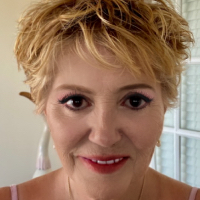
Terry Massey
LCSW, LISW-CP
Practical therapy for relationships and life change
- Relationship
- Family
- Anger
North Carolina 26 years in practice

Lesley Smith
LCMHC
Practical, compassionate therapy for stress and relationships
- Stress, Anxiety
- Relationship
- Self esteem
North Carolina 25 years in practice

Matthew Vaughn
LPC
Calm, practical therapy for real-life struggles
- Stress, Anxiety
- Addictions
- Relationship
North Carolina 10 years in practice

John ODonoghue
LMFT, LCMHC
Experienced therapist for relationship and life changes
- Stress, Anxiety
- Relationship
- Grief
North Carolina 27 years in practice

North Carolina 10 years in practice

Some links on this page are partner links. We will earn a commission if you sign up through one, at no cost to you. It does not change what you pay or the order of the listings.
What Imago Relationship Therapy Is and the Principles Behind It
Imago Relationship Therapy centers on the idea that many of the conflicts and reactivity you experience in relationships are shaped by early life experiences and the unconscious expectations that partners bring into their interactions. Rather than focusing only on problem solving, this approach invites partners to explore the deeper emotional meanings behind familiar patterns and to learn new ways of relating that reduce blame and increase connection. A core principle is that conflict can be an opportunity for healing - when partners notice their triggers, communicate with intention and listen with empathy, they can transform repetitive cycles into growth.
The work typically prioritizes dialogue and structured exercises that help partners slow down and become more attuned to one another. A key element is the use of a guided conversational technique that emphasizes mirroring, validation and empathetic reflection. These practices are designed to shift the tone of interaction from reactive to reflective. The therapist's role is to hold a framework for the dialogue, teach skills and help partners translate insights into new behaviors you can use outside sessions. Over time, the emphasis moves from simply reducing conflict to rebuilding connection and mutual understanding.
Common Issues Addressed With Imago Relationship Therapy
You will most often see Imago used with couples who are struggling with communication breakdowns, ongoing arguments, emotional distance or repeated cycles of hurt. The approach can be helpful when conversations quickly escalate into criticism, withdrawal or stonewalling - situations where it feels difficult to hear each other without getting defensive. Therapists who list Imago among their approaches often work with couples who want to repair trust, rekindle intimacy or navigate major relationship transitions such as cohabitation, parenting challenges or separation considerations.
Beyond couples in crisis, Imago-based work can also support partners who want to deepen emotional intimacy and build better ways of handling stressors before patterns become entrenched. Some people bring Imago work into therapy when they notice that conflicts with a partner echo unresolved themes from their family of origin, or when old attachment wounds seem to drive present-day reactions. The approach can be applied alongside other clinical concerns that affect relationships, such as mood changes, life stress or differing parenting philosophies, always with attention to how relational dynamics shape day-to-day life.
What a Typical Imago Relationship Therapy Session Looks Like
When you attend an Imago-oriented session, you can expect a fairly structured format, especially in the beginning. Sessions often start with a check-in to note recent interactions and any events that stirred strong feelings. The therapist may then introduce or revisit a dialogue exercise, guiding each partner to take turns speaking, mirroring what was heard, validating the other person's experience and expressing empathy. This step-by-step process slows down communication and helps you practice hearing one another without interruption or judgment.
The therapist will often coach both partners on language and pacing so the conversation stays focused on underlying feelings and needs rather than getting sidetracked by accusations. Sometimes you will be asked to reflect aloud on what a certain behavior evokes for you emotionally, or to share childhood memories that relate to present triggers. Homework between sessions tends to involve short, intentional dialogues or relational experiments designed to reinforce new ways of interacting. The pace and intensity of work vary depending on your goals and comfort level, and many couples find that regular, focused practice leads to clearer understanding and fewer escalations over time.
How Imago Relationship Therapy Differs From Other Approaches
Imago emphasizes relational patterns and structured dialogue in a way that distinguishes it from purely skill-based or insight-oriented therapies. Where a cognitive-behavioral approach might prioritize changing specific interactional behaviors or teaching communication techniques, Imago blends behavioral practice with exploration of the emotional roots of those behaviors. Compared with psychodynamic approaches that focus primarily on intrapsychic processes, Imago keeps the couple's interaction at the center of intervention and uses real-time exchanges between partners as the primary site for change.
Another difference lies in the use of a formal dialogue framework that prescribes specific roles and steps for each partner during conversations. This structure is intended to reduce reactivity and create a predictable setting where difficult topics can be explored safely. At the same time, Imago is not only about technique; it frames conflict as a doorway to unmet needs and opportunities for repair. If you have tried communication skills training without long-term change, you might find Imago's combination of reflective inquiry and practice to be a helpful alternative.
Who Is a Good Candidate for Imago Relationship Therapy
Imago is most often a fit for couples who are willing to engage in structured dialogue and to examine how personal histories influence present interactions. If you and your partner both want to improve communication, reduce repetitive fights or reconnect emotionally, this approach may offer practical tools and a language for change. It can be used with partners at many stages of relationship - from newly committed couples wanting to build strong habits to long-term partners seeking to repair longstanding patterns.
It is important to recognize situations where Imago may need to be integrated with other supports. If issues such as ongoing safety concerns, active substance misuse or severe mental health symptoms are present, you may need care that addresses those concerns alongside relational work. A therapist who lists Imago among their approaches can discuss how they balance couples work with any additional supports or referrals that might be appropriate. Ultimately, good candidates are those prepared to do both reflective exploration and practical exercises aimed at improving the everyday quality of the relationship.
How to Find a Therapist Who Uses Imago Relationship Therapy
Review Profiles and Approaches
When searching for a therapist, look for profiles that mention Imago or describe use of structured dialogue and relationship-focused exploration. Pay attention to the counselor's stated focus areas, such as couples counseling, communication skills and conflict resolution, as these signal familiarity with relational work. Profiles that describe experience with attachment issues, family-of-origin themes or emotional regulation can also indicate an orientation that complements Imago-style work.
Ask About Session Structure and Goals
When you contact a therapist, it can be helpful to ask how they typically structure couples sessions and what kinds of exercises they use in between meetings. Inquire how they approach issues like power imbalances, safety and co-occurring mental health needs so you get a sense of how they integrate relational work with other concerns. Asking about session length, whether you can expect in-person or telehealth options and how progress is measured will help you assess fit without focusing on availability.
Consider Fit and Practical Factors
Finding the right therapist often comes down to both professional fit and practical matters. Consider factors such as professional credentials, years of experience, language or cultural competence and areas of clinical focus. You may also want to look for descriptions of therapeutic style - whether the therapist leans toward a directive, skills-based approach or a more exploratory, reflective stance. Ultimately, selecting someone whose approach and demeanor align with your goals increases the chance that the work will feel meaningful and usable in everyday life.
Imago Relationship Therapy offers a structured pathway for couples who want to understand and transform the recurring patterns that undermine connection. If you are ready to explore relationship dynamics with intentional dialogue and guided practice, reviewing profiles of therapists who list Imago Relationship Therapy among their approaches is a practical next step toward finding a clinician whose methods and focus match your needs.