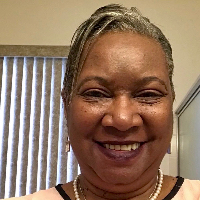
Stephanie Speller-Henderson, LCMHC
North Carolina · 19 years in practice
Stephanie Speller-Henderson greets people with a direct, practical style.
License and registration
- LCMHC, North Carolina
- 5451 · expires June 2026
- NPI
- 1356422901 · national provider identifier
- Years in practice
- 19
- Languages
- English
Details are as listed on the therapist's public professional profile. You can check the license with the issuing state board, and the NPI with the national registry.
About Stephanie
Stephanie Speller-Henderson greets people with a direct, practical style. She is a Licensed Clinical Mental Health Counselor (LCMHC) based in North Carolina who helps people tackle stress, anxiety, depression, relationship struggles, family concerns, and trauma. Her approach is grounded in a belief that the relationship between client and counselor matters most.
She draws on nearly two decades of clinical experience across hospitals, community centers, schools, churches, group settings, and independent practice.
Background and approach
Her background includes a Master of Arts in Community Counseling from the University of North Carolina at Charlotte and a Master of Theology in Pastoral Care and Counseling from Hood Theological Seminary. She also facilitates a marriage enrichment program used in premarital and couples work.
In sessions she uses a mix of practical techniques from cognitive behavioral therapy and narrative and psychodynamic ideas. That means clients talk about how they think about problems, tell their story differently, and look at early patterns that still affect relationships. Techniques may include behavior practice, cognitive reframing, role work, and task assignments to try between meetings.
She also attends to caregiving stress, attachment concerns, workplace strain, grief and hospice-related issues, and HIV/AIDS education. When substance concerns or family-of-origin issues appear, she uses relapse prevention work and skill-building exercises tailored to the situation. Clients are encouraged to take an active part in setting goals and tracking progress.
Sessions are collaborative and focused on concrete steps people can use every day to manage symptoms and improve relationships.
Focus areas and approaches
Everything Stephanie lists on their public professional profile, in their own terms.
- Stress, Anxiety
- Relationship issues
- Family conflicts
- Trauma and abuse
- Depression
- Attachment issues
- Caregiver issues and stress
- Communication problems
- Family of origin issues
- Family problems
- Forgiveness
- Guilt and shame
- HIV / AIDS
- Hospice and end-of-life counseling
- Post-traumatic stress
- Women's issues
- Workplace issues
Approaches Stephanie names
- Client-Centered Therapy
- Cognitive Behavioral Therapy (CBT)
- Narrative Therapy
- Psychodynamic Therapy
- Solution-Focused Therapy
- Trauma-Focused Therapy
Naming an approach is not evidence of training in it. This directory copies what each therapist lists and does not check training records.
Online support
Approach and Access for Online Care
Stephanie uses client-centered therapy that focuses on the person and their goals, offering listening and reflection to help people feel heard and understood. Cognitive behavioral therapy (CBT) is also a central method she uses; it looks at how thoughts, feelings, and actions link together and offers practical exercises to change unhelpful patterns. Narrative therapy helps people reframe the stories they tell about themselves and their relationships, which can be useful for trauma, grief, and identity-related concerns.Deciding which approach to use is a collaborative process. The therapist will talk with each person about needs, goals, and preferences and recommend ways of working that fit those priorities. Sessions often blend methods so therapy stays focused and useful for everyday life.
Online formats include video calls, phone sessions, live chat, and text-based messaging. Video sessions allow face-to-face conversation when a deeper exchange is helpful. Phone meetings can work when bandwidth is limited or for a shorter check-in. Live chat and text messaging let people send updates or try shorter reflections between appointments. These options offer flexibility for different schedules and daily routines, making it easier to keep therapy consistent without extensive travel.
We will earn a commission if you sign up through our link, at no cost to you. It does not change what you pay or the order of the listings.
Questions people ask
What kinds of problems can be addressed?
She works with stress, anxiety, depression, trauma and abuse, relationship and family concerns, and related issues such as attachment problems, caregiver stress, and workplace difficulties.
What is her therapeutic style like?
The approach is collaborative and practical, combining client-centered conversation with techniques from cognitive behavioral, narrative, psychodynamic, and solution-focused methods.
How much experience does she bring?
She has 19 years of clinical experience in a variety of settings including emergency rooms, community counseling centers, schools, churches, and independent practice.
What credentials and location are listed?
She is identified as an LCMHC and practices in North Carolina.
Are sessions available in other languages or countries?
Sessions are offered in English and she is not accepting international clients at this time.
Which session formats are offered?
Sessions are available by video calls, phone sessions, live chat, or text-based messaging to fit different schedules and preferences.
How does cost and payment work?
Cost varies with location and therapist availability; services use a subscription model that can be canceled at any time.
How do I begin working with her?
Start by selecting the Start Therapy button, completing a short matching questionnaire, and then scheduling according to therapist availability.
More therapists in North Carolina
See allPamela Peoples
LCSW
Experienced LCSW helping with anxiety and life changes
- Stress, Anxiety
- Self esteem
- Depression
Dr. James Hunter Jr
LCMHC
Experienced counselor for life transitions
- Stress, Anxiety
- Depression
- Relationship
Dr. Kendra Corning
NC Psychologist
Compassionate psychologist guiding real-life change
- Stress, Anxiety
- Trauma and abuse
- Grief

Is this your profile?
Ask us to correct details or take the page down.
Contact us