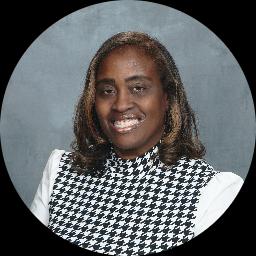
Tunisia Lumpford, LICSW, LISW-CP
North Carolina · 6 years in practice
Tunisia Lumpford is a licensed clinical social worker with six years of online therapy experience and a broader social work background.
License and registration
- LCSW, North Carolina
- C010473 · expires November 2026
- LCSW, Georgia
- CSW006360 · expires September 2026
- LISW-CP, South Carolina
- 14658 · expires December 2026
- LICSW, District of Columbia
- LC200001685 · expires January 2027
- NPI
- 1164978565 · national provider identifier
- Years in practice
- 6
- Languages
- English
Details are as listed on the therapist's public professional profile. You can check the license with the issuing state board, and the NPI with the national registry.
About Tunisia
Tunisia Lumpford is a licensed clinical social worker with six years of online therapy experience and a broader social work background. She practices as an LICSW and LISW-CP and supports people who are coping with stress, anxiety, depression, trauma, and relationship struggles. She works from North Carolina and offers sessions in English.
Her approach is straightforward and person-focused. She listens, helps people tell their story, and looks for small, practical steps that can reduce distress.
Background and approach
Sessions often focus on immediate problems and on building skills to manage mood, worry, or conflict. Tunisia blends a client-centered stance with cognitive behavioral techniques. That means she pays attention to each person's goals while teaching ways to spot and shift unhelpful thoughts and behaviors.
She also uses solution-focused methods to set clear, short-term goals and track progress. People reach out about many concerns, including addiction, grief, parenting strain, anger, career stress, ADHD, bipolar challenges, and questions about life purpose or money. She also lists work related to abandonment, self-love, and women's issues among her focus areas.
In sessions she aims to help people regain balance and build skills they can use day to day. Her style is collaborative and practical, with attention to what a person wants to change and how to get there. To begin, people use the platform's matching process and choose the session format that fits their routine.
Tunisia combines listening with goal-oriented work to help people move toward clearer days.
Focus areas and approaches
Everything Tunisia lists on their public professional profile, in their own terms.
- Stress, Anxiety
- Family conflicts
- Trauma and abuse
- Self esteem
- Depression
- Addictions
- Relationship issues
- Grief
- Parenting issues
- Anger management
- Career difficulties
- Bipolar disorder
- Coping with life changes
- ADHD
- Abandonment
- Life purpose
- Money and financial issues
- Self-love
- Women's issues
Approaches Tunisia names
Naming an approach is not evidence of training in it. This directory copies what each therapist lists and does not check training records.
Online support
Approaches that guide online sessions and practical benefits
Client-centered therapy focuses on the person's own goals and experience. The therapist listens closely, reflects what she hears, and helps people shape their next steps. This approach is useful for building trust and clarifying what matters most to the individual.Cognitive Behavioral Therapy, or CBT, teaches skills to notice and change thought patterns and behaviors that keep problems going. It is often used for anxiety, depression, stress, and mood shifts by working on specific thoughts and routine changes.
Solution-focused therapy zooms in on small, achievable goals and what a person can do now to move forward. It helps people spot what is already working and build on those strengths for quicker change.
Choosing the right approach is a collaborative process. The therapist will discuss goals, preferences, and what has or hasn't helped before, then try methods that match the person's needs. Together they track progress and adjust the plan as needed.
Online sessions offer flexibility in how people connect. Video calls let for face-to-face interaction, phone sessions work well when internet or bandwidth is limited, live chat suits shorter check-ins or on-the-go moments, and text-based messaging supports ongoing, brief communication between meetings. These options make it easier to fit therapy into busy lives and different daily routines.
We will earn a commission if you sign up through our link, at no cost to you. It does not change what you pay or the order of the listings.
Questions people ask
What kinds of problems does she help with?
She helps people dealing with stress, anxiety, depression, trauma and abuse, and relationship problems, plus concerns like addiction, grief, parenting strain, anger, career stress, bipolar disorder, and ADHD.
How would you describe her therapy style?
She uses a person-centered approach combined with practical techniques. Sessions focus on listening, setting clear goals, and teaching skills to manage thoughts and behaviors.
What is her professional background?
She holds LICSW and LISW-CP credentials and has six years of experience in online therapy along with earlier social work practice.
Where is she based and licensed?
She practices from North Carolina and lists credentials as DC LICSW and SC LISW-CP in her profile details.
Can I work with her if English is not my first language?
Sessions are offered in English.
What session formats are available?
She offers video calls, phone sessions, live chat, and text-based messaging to fit different schedules and needs.
How does payment and cost work?
Cost varies with location and therapist availability; sessions use a subscription model that can be canceled at any time.
How do I start working with her?
Select the Start Therapy button, complete the short matching questionnaire, and schedule sessions according to the therapist's availability.
More therapists in North Carolina
See allPamela Peoples
LCSW
Experienced LCSW helping with anxiety and life changes
- Stress, Anxiety
- Self esteem
- Depression
Dr. James Hunter Jr
LCMHC
Experienced counselor for life transitions
- Stress, Anxiety
- Depression
- Relationship

Dr. Kendra Corning
NC Psychologist
Compassionate psychologist guiding real-life change
- Stress, Anxiety
- Trauma and abuse
- Grief

Is this your profile?
Ask us to correct details or take the page down.
Contact us