
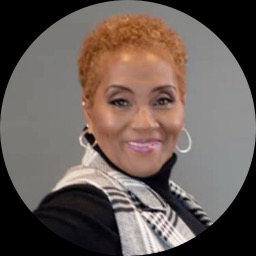
Amy FitzGerald, LCSW
North Carolina · 14 years in practice
Amy FitzGerald is a Licensed Clinical Social Worker with 14 years of clinical experience who helps people facing stress, anxiety, depression, relationship struggles, parenting strain, grief, trauma, and questions about identity.
License and registration
- LCSW, North Carolina
- C012547 · expires September 2027
- NPI
- 1235756057 · national provider identifier
- Years in practice
- 14
- Languages
- English
Details are as listed on the therapist's public professional profile. You can check the license with the issuing state board, and the NPI with the national registry.
About Amy
Amy FitzGerald is a Licensed Clinical Social Worker with 14 years of clinical experience who helps people facing stress, anxiety, depression, relationship struggles, parenting strain, grief, trauma, and questions about identity. She practices in North Carolina and supports people working through career changes, compassion fatigue, ADHD, and family-related concerns like adoption and attachment issues. Amy uses a straightforward, person-focused style.
She treats each person as the expert on their own life and helps set small, practical goals.
Background and approach
Sessions can blend talking and body-based techniques so people notice how feelings show up in their bodies as well as in thoughts. Her work draws on Acceptance and Commitment Therapy, Cognitive Behavioral Therapy, mindfulness practices, motivational interviewing, and somatic approaches. She often pairs breathing and gentle body-awareness exercises with real-life problem solving.
This mix aims to reduce overwhelm and make daily coping easier. Amy has a background that includes training in yoga, trauma-informed yoga, Mindfulness-Based Stress Reduction, and Integrative Restoration iRest. That experience informs how she brings calm and grounding into sessions, especially for people who have experienced loss or trauma.
Sessions are organized around what matters most to the client. Amy listens for values, priorities, and practical barriers, then helps craft achievable steps. People leave sessions with specific strategies to try between meetings and clearer ideas about next steps.
Her approach is warm and direct. She helps people build skills, notice progress, and adjust plans as life changes. Amy welcomes conversations about identity, parenting, adoption histories, and attachment concerns without assuming one path fits everyone.
Focus areas and approaches
Everything Amy lists on their public professional profile, in their own terms.
- Stress, Anxiety
- Relationship issues
- Parenting issues
- Self esteem
- Depression
- LGBT
- Family conflicts
- Trauma and abuse
- Grief
- Career difficulties
- Coping with life changes
- Compassion fatigue
- ADHD
- Abandonment
- Adoption and foster care
- Attachment issues
- Blended family issues
- Body image
- Caregiver issues and stress
- Co-morbidity
- Control issues
- Dissociation
- Emptiness
- Family of origin issues
- Family problems
- Fertility issues
- Forgiveness
- Gender dysphoria
- Guilt and shame
- Infidelity
- Isolation / loneliness
- Life purpose
- Midlife crisis
- Obsessions, compulsions, and OCD
- Panic disorder and panic attacks
- Pregnancy and childbirth
- Self-harm
- Self-love
- Sexual assault and abuse
- Somatization
- Women's issues
- Young adult issues
Approaches Amy names
- Acceptance and Commitment Therapy (ACT)
- Cognitive Behavioral Therapy (CBT)
- Mindfulness Therapy
- Motivational Interviewing
- Somatic Therapy
- Trauma-Focused Therapy
Naming an approach is not evidence of training in it. This directory copies what each therapist lists and does not check training records.
Online support
How therapeutic approaches translate to online care
Amy often uses Acceptance and Commitment Therapy, which focuses on clarifying values and taking small committed actions even when uncomfortable feelings are present. ACT can help with anxiety, low motivation, and life transitions by shifting attention toward what matters most.She also uses Cognitive Behavioral Therapy to notice unhelpful thoughts and test them with real-world experiments. CBT offers practical tools for managing worry, low mood, and unhelpful patterns that get in the way of daily functioning.
Finding the right approach is a collaborative process. Amy will discuss options, try methods that match a person's goals, and adjust the plan based on what helps. Clients are invited to share preferences so sessions fit their needs and comfort level.
Online therapy makes it easier to fit work on emotions into a busy life. Video calls let therapists and clients work visually when that helps. Phone sessions are useful when bandwidth is limited or for shorter check-ins. Live chat or text-based messaging supports ongoing contact between sessions and can be a convenient way to reflect or report progress. These formats increase flexibility so people can access care from wherever they are in North Carolina or beyond.
We will earn a commission if you sign up through our link, at no cost to you. It does not change what you pay or the order of the listings.
Questions people ask
What issues does she help address?
Amy works with a range of concerns including stress, anxiety, depression, relationship and parenting difficulties, grief, trauma, ADHD, and identity matters such as gender dysphoria and LGBT issues.
What is her therapy style and approach?
She uses a client-centered, goal-oriented style that blends talk therapy with body-based exercises. Sessions focus on practical steps people can try between meetings.
How much clinical experience does she have?
She has 14 years of clinical experience working in a variety of settings and with people facing adoption-related issues, trauma, and academic or career stress.
Where is she licensed and based?
She is a Licensed Clinical Social Worker (LCSW) practicing in North Carolina with the credential listed as NC LCSW.
Which languages are supported for sessions?
Sessions are offered in English and she accepts international clients.
What session formats are available?
Therapy can take place via video calls, phone sessions, live chat, or text-based messaging to fit different schedules and needs.
How does payment and cost work?
Cost varies with location and therapist availability; sessions use a subscription model that can be canceled at any time.
How do I begin working with her?
Begin by selecting the Start Therapy button, completing a short matching questionnaire, and then scheduling sessions according to the therapist's availability.
More therapists in North Carolina
See allPamela Peoples
LCSW
Experienced LCSW helping with anxiety and life changes
- Stress, Anxiety
- Self esteem
- Depression
Dr. James Hunter Jr
LCMHC
Experienced counselor for life transitions
- Stress, Anxiety
- Depression
- Relationship


Dr. Kendra Corning
NC Psychologist
Compassionate psychologist guiding real-life change
- Stress, Anxiety
- Trauma and abuse
- Grief

Is this your profile?
Ask us to correct details or take the page down.
Contact us