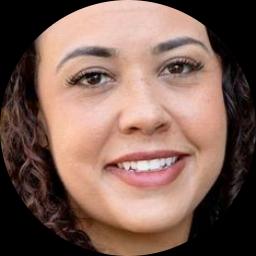
Destiny Arthur, LCMHC
North Carolina · 5 years in practice
Destiny Arthur is an LCMHC who supports people facing stress, anxiety, relationship strain, and the impact of trauma.
License and registration
- LCMHC, North Carolina
- 21551 · expires June 2028
- NPI
- 1952283392 · national provider identifier
- Years in practice
- 5
- Languages
- English
Details are as listed on the therapist's public professional profile. You can check the license with the issuing state board, and the NPI with the national registry.
About Destiny
Destiny Arthur is an LCMHC who supports people facing stress, anxiety, relationship strain, and the impact of trauma. She works from North Carolina and focuses on keeping sessions clear and practical. Destiny aims to help clients find steadier ground in the middle of difficult feelings.
She pays particular attention to complex emotional problems like low self-esteem, guilt, and attachment issues. She also helps people coping with the effects of abuse, sexual assault recovery, domestic violence, and relationships with narcissistic partners.
Background and approach
These concerns often show up as repeated patterns and painful self-doubt, and she helps people name and interrupt those cycles. Her style is collaborative and person-centered. She listens first, then offers strategies drawn from approaches such as cognitive behavioral methods and acceptance-based work.
Sessions typically include problem-solving, skills practice, and gentle exploration of past wounds when it feels useful. Destiny also supports people working through abandonment, codependency, communication problems, forgiveness, and life-purpose questions. She uses motivational interviewing techniques to clarify values and move toward achievable steps.
Her aim is steady progress rather than quick fixes. With five years of experience, Destiny brings practical tools and consistent empathy to the room. She encourages small, manageable changes that fit the realities of daily life.
To begin, prospective clients follow the site's Start Therapy process and match to a schedule that fits them.
Focus areas and approaches
Everything Destiny lists on their public professional profile, in their own terms.
- Stress, Anxiety
- Relationship issues
- Trauma and abuse
- Self esteem
- Bipolar disorder
- Abandonment
- Adoption and foster care
- Attachment issues
- Codependency
- Communication problems
- Dependent personality
- Domestic violence
- Emptiness
- Forgiveness
- Guilt and shame
- Infidelity
- Life purpose
- Narcissism
- Personality disorders
- Post-traumatic stress
- Self-harm
- Self-love
- Sex addiction
- Sexual assault and abuse
- Women's issues
Approaches Destiny names
- Acceptance and Commitment Therapy (ACT)
- Attachment-Based Therapy
- Client-Centered Therapy
- Cognitive Behavioral Therapy (CBT)
- Motivational Interviewing
Naming an approach is not evidence of training in it. This directory copies what each therapist lists and does not check training records.
Online support
How her approaches translate to online work
Acceptance and Commitment Therapy (ACT) helps people clarify what matters most to them and take small actions toward those values while learning to sit with uncomfortable thoughts. It can be useful for anxiety, stress, and questions about life purpose. Cognitive Behavioral Therapy (CBT) focuses on identifying unhelpful thoughts and testing them with real-life experiments, which can reduce anxiety and change recurring patterns. Attachment-Based Therapy looks at early relationship patterns and how they affect current interactions, helping people understand and shift ways of connecting that cause pain.Finding the right approach is a team effort. The therapist will talk with the client about goals and preferences, then try methods that fit those needs. If something doesn't help, they adjust together until the work feels useful and doable.
Confirm current session options before booking so you know what formats are offered. Online therapy can make it easier to fit sessions into a busy life, shorten travel time, and allow for check-ins from a quiet spot. It can also let people work on communication skills and emotional coping without rearranging their whole day. Licensed professionals tailor pacing and techniques to each person's situation during initial scheduling conversations.
We will earn a commission if you sign up through our link, at no cost to you. It does not change what you pay or the order of the listings.
Questions people ask
What concerns does she help with?
She supports people dealing with stress, anxiety, relationship strain, trauma and abuse, self-esteem issues, and bipolar-related concerns. Additional focus areas include attachment wounds, codependency, and post-traumatic stress.
What is her therapeutic style like?
Her approach is collaborative and person-centered. She combines listening with practical strategies from cognitive behavioral and acceptance-based methods.
How much experience does she have?
She has five years of experience working with complex emotional concerns and trauma-related issues.
What are her credentials and where is she located?
She holds the LCMHC credential and practices in North Carolina.
Which languages are available for sessions?
Sessions are offered in English.
Are international clients supported?
She does not accept international clients at this time.
How are session costs handled?
Cost varies with location and therapist availability; sessions use a subscription that can be canceled at any time.
How do I get started with therapy?
Use the Start Therapy button, complete a short matching questionnaire, and schedule according to the therapist's availability.
More therapists in North Carolina
See allTina Boyer
LCMHC
Compassionate counselor for stress and mood support
- Stress, Anxiety
- Anger
- Self esteem

Pamela Peoples
LCSW
Experienced LCSW helping with anxiety and life changes
- Stress, Anxiety
- Self esteem
- Depression

Dr. James Hunter Jr
LCMHC
Experienced counselor for life transitions
- Stress, Anxiety
- Depression
- Relationship
Is this your profile?
Ask us to correct details or take the page down.
Contact us