
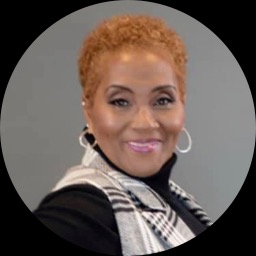
Carnice McFarland, NC Psychologist
North Carolina · 10 years in practice
Carnice McFarland is a psychologist in North Carolina who helps people facing stress, anxiety, depression, grief, low self-esteem, and anger.
License and registration
- Psychologist, North Carolina
- 5224 · expires October 2028
- NPI
- 1063579605 · national provider identifier
- Years in practice
- 10
- Languages
- English
Details are as listed on the therapist's public professional profile. You can check the license with the issuing state board, and the NPI with the national registry.
About Carnice
Carnice McFarland is a psychologist in North Carolina who helps people facing stress, anxiety, depression, grief, low self-esteem, and anger. She draws on a decade of experience to listen, validate feelings, and help clients find practical ways to feel steadier. Her work focuses on everyday struggles like panic, social anxiety, obsessive thoughts, and the weight of loss.
She uses an approach that centers on compassion and cultural awareness. Sessions aim to be collaborative - the person sets goals and the therapist offers tools and feedback.
Background and approach
Conversations focus on understanding patterns, building coping skills, and practicing small changes that fit into daily life. Clients can expect straightforward, respectful conversation that honors identity and values. The therapist emphasizes empathy and an authentic presence in sessions.
Cultural background is used to inform understanding, not to label or stereotype. Over ten years of practice has included helping people with mood disorders, trauma responses, and problems that occur with more than one concern at a time. Common themes addressed include isolation, guilt and shame, communication problems, jealousy, hoarding, and seasonal mood shifts.
To begin, people follow the site's Start Therapy process and complete a short matching questionnaire. From there, scheduling is arranged based on therapist availability and the subscription plan that can be canceled at any time.
Focus areas and approaches
Everything Carnice lists on their public professional profile, in their own terms.
- Stress, Anxiety
- Grief
- Anger management
- Self esteem
- Depression
- Avoidant personality
- Co-morbidity
- Communication problems
- Forgiveness
- Guilt and shame
- Hoarding
- Isolation / loneliness
- Jealousy
- Mood disorders
- Multicultural concerns
- Obsessions, compulsions, and OCD
- Panic disorder and panic attacks
- Post-traumatic stress
- Seasonal Affective Disorder (SAD)
- Social anxiety and phobia
- Trichotillomania
Online support
How evidence-based approaches guide online care
Many clinicians use evidence-based therapeutic techniques that focus on changing unhelpful thoughts and behaviors and on building emotion regulation skills. Cognitive approaches work by helping people notice and reframe distressing thoughts, which can reduce anxiety and low mood. Behavioral strategies emphasize small, doable actions that break avoidance patterns and lift mood, which can help with panic, social anxiety, and depressive symptoms.Exposure-based methods are often used for fears and obsessions; they involve facing avoided situations or thoughts in a gradual, supported way so distress decreases over time. These approaches help with obsessive-compulsive patterns, social fears, and panic triggers by teaching practical steps to tolerate discomfort and build confidence.
Finding the right approach is part of the work. The therapist will collaborate with the client to identify goals, try techniques, and adjust methods based on what helps most. This shared process shapes the plan rather than imposing a single method.
If you are considering online therapy, check the session options before booking since formats were not specified in the biography. Online work can make it easier to fit sessions into a busy week, allow shorter check-ins when schedules demand, and remove commute time so therapy is more accessible. Talk with the therapist during the matching and scheduling steps to confirm which session formats are offered and what will suit your needs.
We will earn a commission if you sign up through our link, at no cost to you. It does not change what you pay or the order of the listings.
Questions people ask
What kinds of concerns does this therapist address?
This clinician works with stress, anxiety, depression, grief, low self-esteem, and anger. Additional focus areas include panic, OCD and intrusive thoughts, social anxiety, trauma-related symptoms, and mood-related issues like seasonal affective disorder.
How would you describe the therapist's style in sessions?
The style is collaborative and person-centered, with emphasis on listening, validating, and offering practical skills. Sessions focus on understanding patterns and trying out changes that make daily life easier.
What experience does the therapist bring?
She has ten years of clinical experience working with a range of mood and anxiety concerns and with people from diverse backgrounds. That experience informs how she tailors care to each person.
What are the therapist's credentials and location?
She holds the designation NC Psychologist 5224 and practices in North Carolina. Those credentials are listed exactly as provided.
Which languages are available for sessions?
Sessions are offered in English.
Can people outside the United States work with this therapist?
International clients are not currently accepted.
How does payment and cost work?
Costs vary with location and therapist availability, and sessions are provided through a subscription that can be canceled at any time. Exact pricing is shown during the sign-up process.
What steps are involved to start therapy?
Use the Start Therapy button, complete a short matching questionnaire, and then schedule sessions according to the therapist's availability.
More therapists in North Carolina
See allTina Boyer
LCMHC
Compassionate counselor for stress and mood support
- Stress, Anxiety
- Anger
- Self esteem

Pamela Peoples
LCSW
Experienced LCSW helping with anxiety and life changes
- Stress, Anxiety
- Self esteem
- Depression

Dr. James Hunter Jr
LCMHC
Experienced counselor for life transitions
- Stress, Anxiety
- Depression
- Relationship

Is this your profile?
Ask us to correct details or take the page down.
Contact us